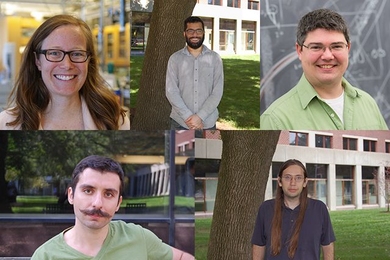
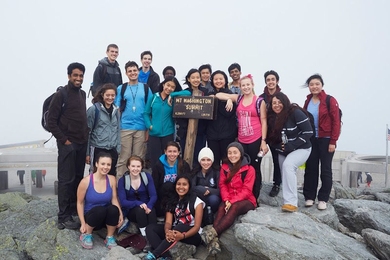
Experiencing extreme Earth
Freshmen discover the Department of Earth, Atmospheric and Planetary Sciences through weather and climate demonstrations and a trip to Mt. Washington.
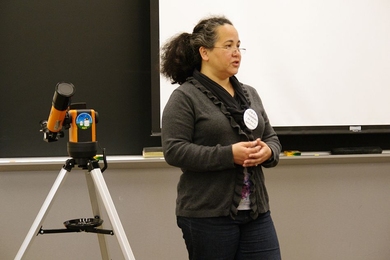
Amanda Bosh promoted to senior lecturer
Astronomer and planetary scientist has been a steady source of inspiration for students and community members interested in observational astronomy.
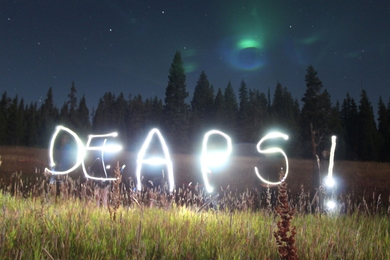
Classroom Earth
Earth science lessons at Yellowstone and Grand Teton national parks bring Discover Earth, Atmospheric and Planetary Sciences freshmen up to speed.
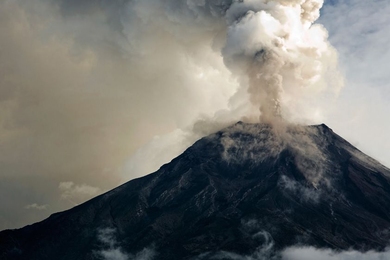
Siberian Traps likely culprit for end-Permian extinction
New study finds massive eruptions likely triggered mass extinction.
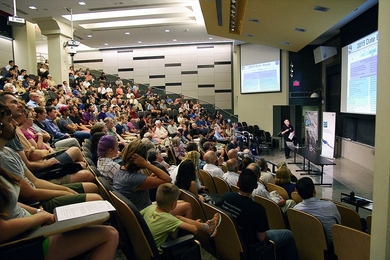
Advice to students in planetary science: “Start young!”
MIT astronomer Richard Binzel describes lengthy preparation for this year’s successful flyby of Pluto.
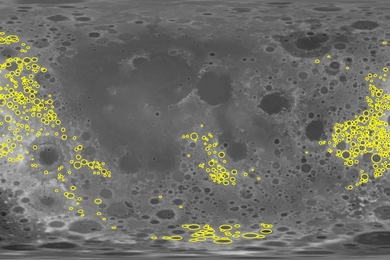
Moon’s crust as fractured as can be
Study finds barrage of small asteroids shattered moon’s upper crust.
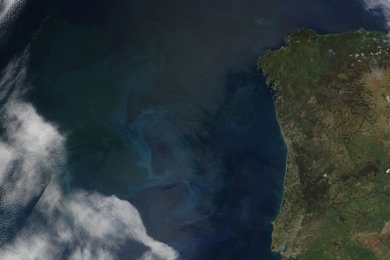
Fertilize the ocean, cool the planet?
MIT researchers find unintended consequences of an idea to stimulate ocean phytoplankton growth in order to geoengineer a cooler atmosphere.
Pluto Revealed! An update from New Horizons
Professor Richard Binzel, NASA New Horizons science team co-PI, shares mission results on Sept. 9.

Better estimates of worldwide mercury pollution
New findings show Asia produces twice as much mercury emissions as previously thought.
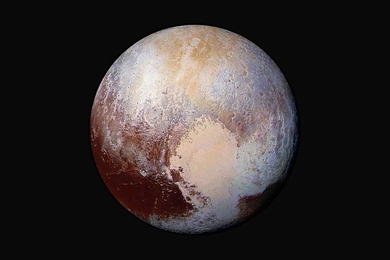
New Horizons data hint at underground ocean
Ice flows and water ice mountains spied by NASA spacecraft support the idea that an interior ocean may be driving geologic activity on Pluto.

Colette Heald awarded AGU James Macelwane Medal
Professor in civil and environmental engineering and earth, atmospheric and planetary sciences will be honored at an awards ceremony in December.
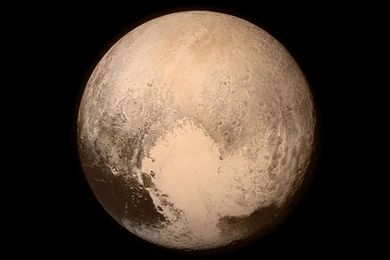
3 Questions: Richard Binzel on New Horizons’ closest view of Pluto
Spacecraft’s close-up images reveal a complex, frozen world.
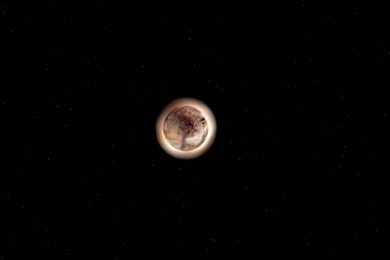
Q&A: Catching Pluto’s shadow
MIT scientists assist as a NASA mission chases Pluto’s shadow to catch details of its atmosphere.