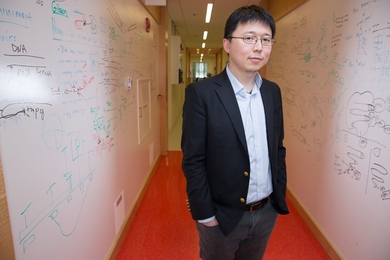
Toward a better understanding of the brain
Genome-editing pioneer Feng Zhang hopes his work will shed light on neurological disorders.
Genome-editing pioneer Feng Zhang hopes his work will shed light on neurological disorders.
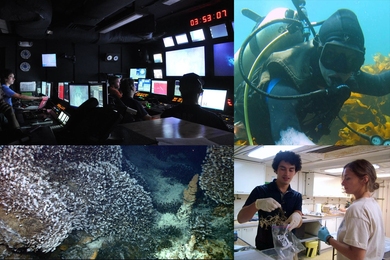
Santiago Herrera studies the genome to establish new connections between species living in the deep sea.
Startup develops more cost-effective test for assessing how cells respond to chemicals.
Systematically searching DNA for regulatory elements indicates limits of previous thinking.
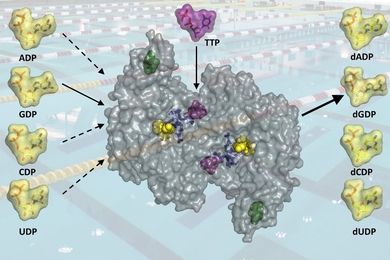
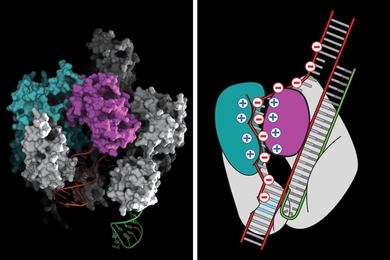
Team re-engineers system to dramatically cut down on editing errors; improvements advance future human applications.
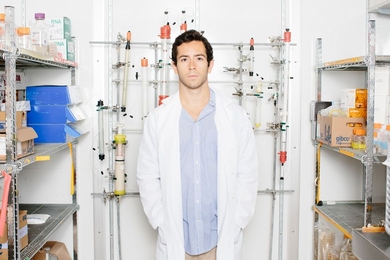
PhD student Abe Weintraub helps identify when DNA folding is helpful, and when it might cause cancer.
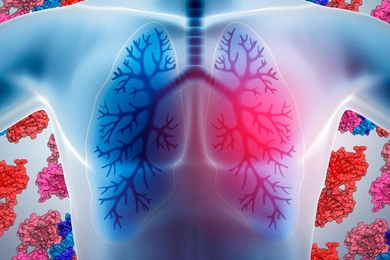
Targeting the RNA-binding protein that promotes resistance could lead to better cancer therapies.
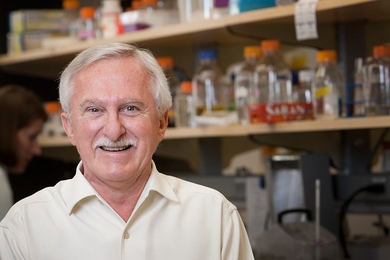
Biochemist who graduated from MIT in 1968 is honored for his work on DNA repair mechanisms.
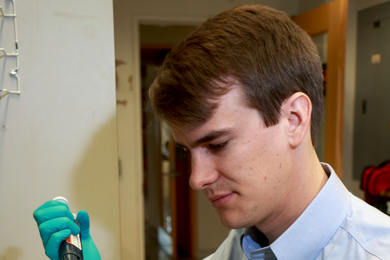
MIT physics graduate student James Owen Andrews is developing software to improve dynamic image capture from super-resolution fluorescent microscopes.

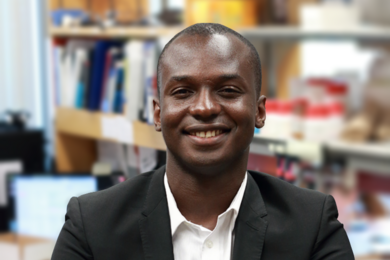
Assistant professor of physics probes the formation of enzyme clusters that enable gene copying and protein production in living cells.
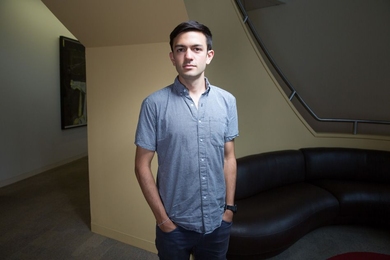
Graduate student Alexander Godfrey tackles a chromosome that half the world has — yet few understand.
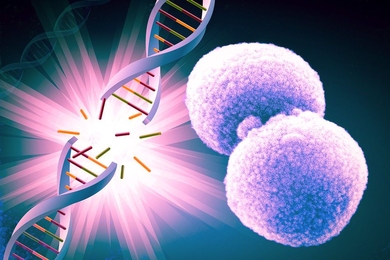
Hydrogen peroxide produced by some bacteria causes DNA double-strand breaks, cell suicide.
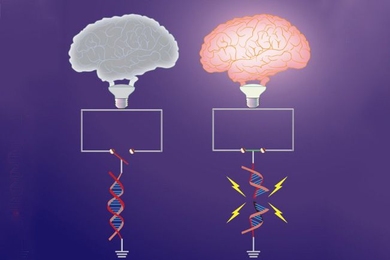
Process that allows brains to learn and remember also leads to degeneration with age.