
Diagnostic exhalations
By analyzing carbon dioxide in the breath, an algorithm could help determine how to treat patients.
By analyzing carbon dioxide in the breath, an algorithm could help determine how to treat patients.
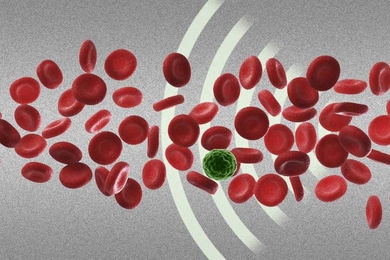
Acoustic device that separates tumor cells from blood cells could help assess cancer’s spread.
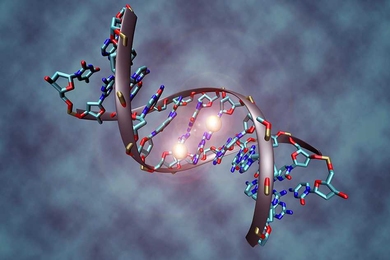
Identifying epigenetic markers in cancer cells could improve patient treatment.

Low-cost urine test developed by MIT engineers amplifies signals from growing tumors to detect disease.

Shifts in zinc’s location could be exploited for early diagnosis of prostate cancer.
Five-year grant will support research on cancer therapy, artificial tissue homeostasis, and infectious diseases.
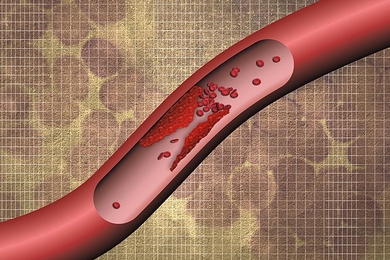
Simple urine test developed by MIT engineers uses nanotechnology to detect dangerous blood clotting.
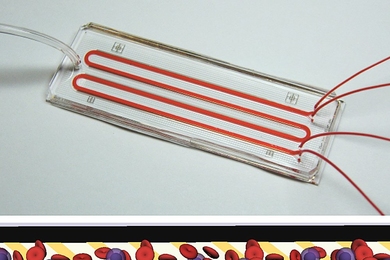
Device may be used to quickly detect signs of sepsis, other inflammatory diseases.

An algorithm that can accurately gauge heart rate by measuring tiny head movements in video data could ultimately help diagnose cardiac disease.
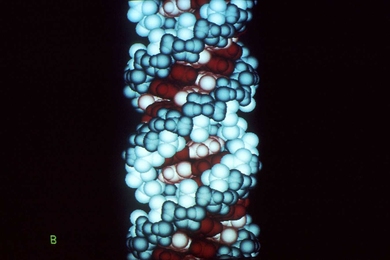
MIT alumni’s startup provides rapid, cost-effective microRNA profiling, which is beneficial for diagnosing diseases.
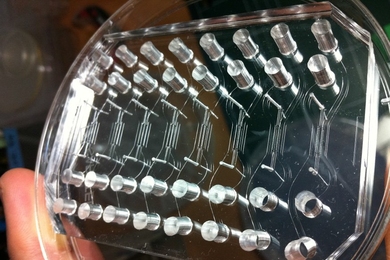
MIT researchers are designing tools to analyze cells at the microscale.
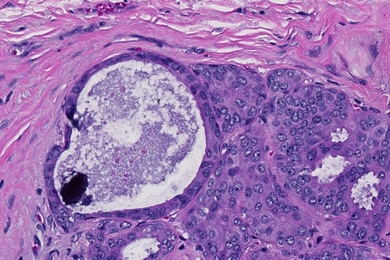
New spectroscopy technique could help doctors better identify breast tumors.
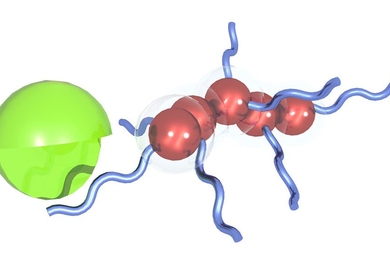
Nanoparticles amplify tumor signals, making them much easier to detect in the urine.
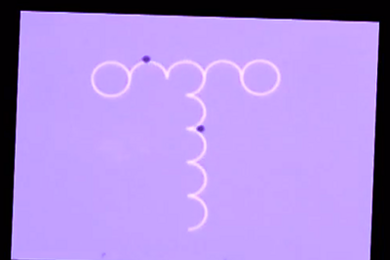
MIT team finds way to manipulate and measure magnetic particles without contact, potentially enabling multiple medical tests on a tiny device.

MIT team discovers way of making perfectly ordered and repeatable surfaces with patterns of microscale wrinkles.