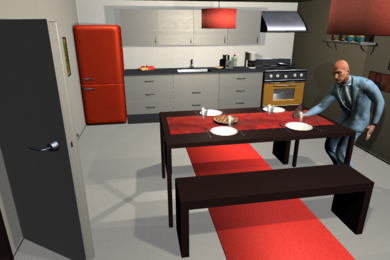
Teaching chores to an artificial agent
Activity simulator could eventually teach robots tasks like making coffee or setting the table.
Activity simulator could eventually teach robots tasks like making coffee or setting the table.
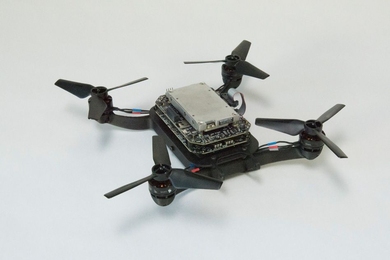
With new system, drones navigate through an empty room, avoiding crashes while “seeing” a virtual world.
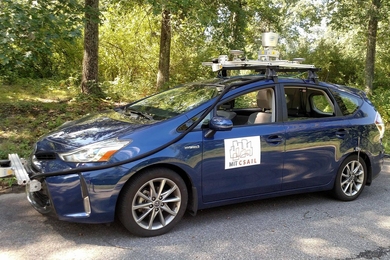
Today’s autonomous vehicles require hand-labeled 3-D maps, but CSAIL’s MapLite system enables navigation with just GPS and sensors.

“RoadTracer” system from the Computer Science and Artificial Intelligence Laboratory could reduce workload for developers of apps like Google Maps.
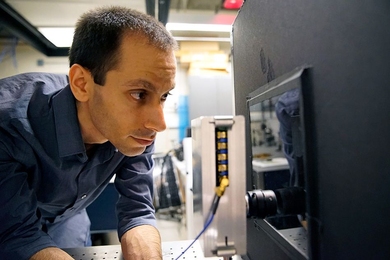
Computational photography could solve a problem that bedevils self-driving cars.

Alumni’s video-capturing drone tracks moving subjects while freely navigating any environment.
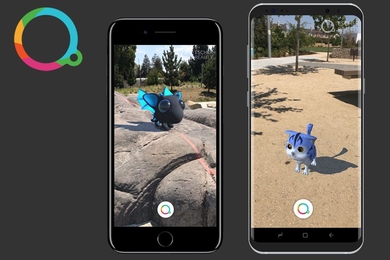
Augmented-reality startup Escher Reality, which recently sold to Niantic, gives back to the program that helped it launch.
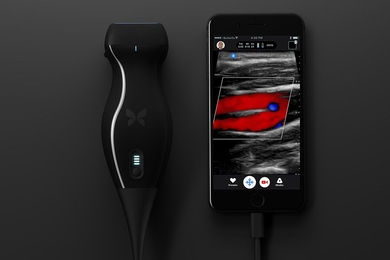
Startup’s low-cost, portable scanner generates clinical-quality ultrasounds on a smartphone.
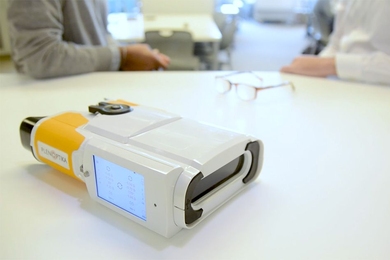
Portable device can generate corrective lens prescriptions in areas with no optometry care.
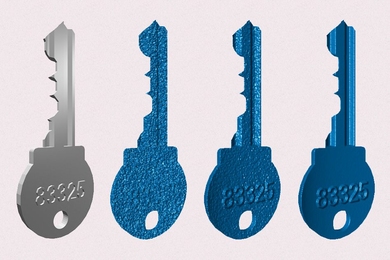
Computational method improves the resolution of time-of-flight depth sensors 1,000-fold.
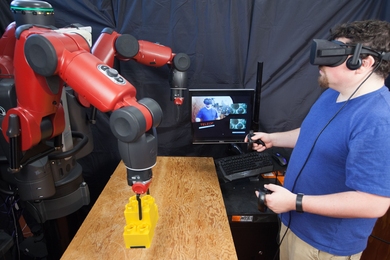
A virtual reality system from the Computer Science and Artificial Intelligence Laboratory could make it easier for factory workers to telecommute.
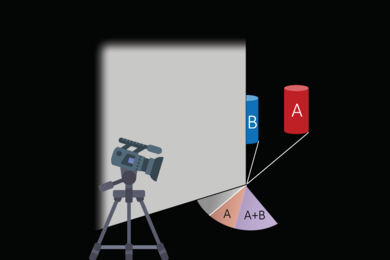
Using smartphone cameras, system for seeing around corners could help with self-driving cars and search-and-rescue.
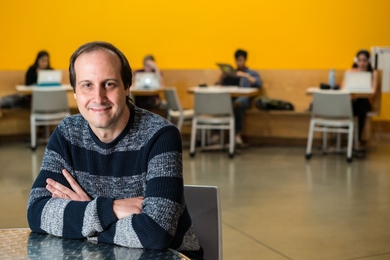
Computer vision and machine learning expert Antonio Torralba to lead new artificial intelligence research lab.
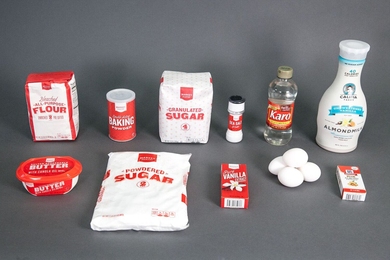
Given a still image of a dish filled with food, CSAIL team's deep-learning algorithm recommends ingredients and recipes.
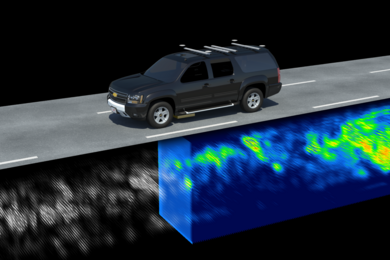
Commercial prototypes of the system will be available to the self-driving vehicle industry.