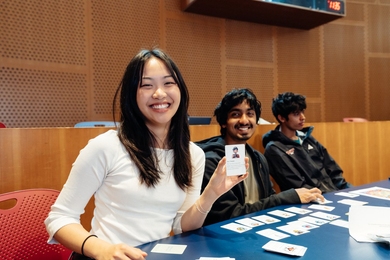
Supporting systems of success
In the MIT class 6.C31 (Hack Yourself) students apply computer science strategies to personal growth goals.
In the MIT class 6.C31 (Hack Yourself) students apply computer science strategies to personal growth goals.
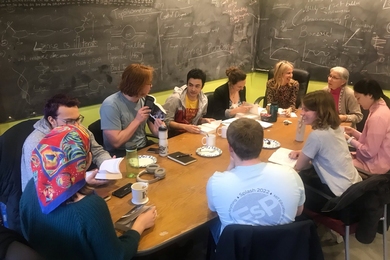
Students in MIT’s Concourse program delve deeply into the human condition, debate challenging questions, and learn to develop judgment about issues that can’t be quantified.
An industry report published by students in an MIT aerospace entrepreneurship class lays out guidance for aspiring space leaders and investors.
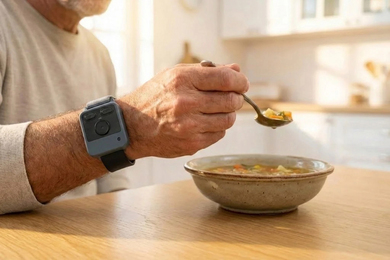
Wristband device from Encora Therapeutics started as a project in 2.009, MIT’s iconic product-design class.
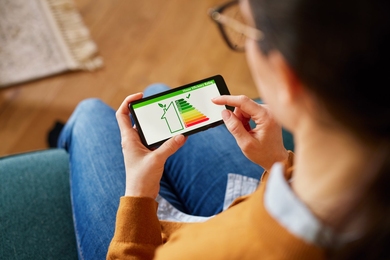
J-PAL North America’s Learning Lab supported a second cohort of U.S. government and nonprofit organizations in building and using rigorous evidence to advance effective decarbonization and adaptation strategies.
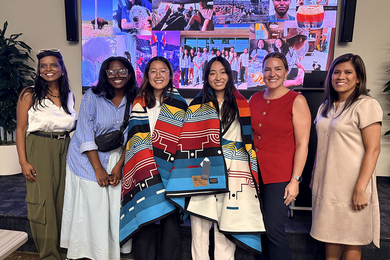
The PKG Center for Social Impact expands Code.Tulsa experiential learning program.
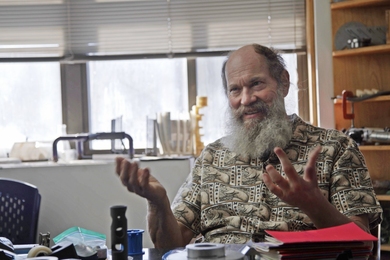
Precision, repeatability, and fun are the focus in mechanical engineering course 2.70 (Fundamentals of Precision Product Design).
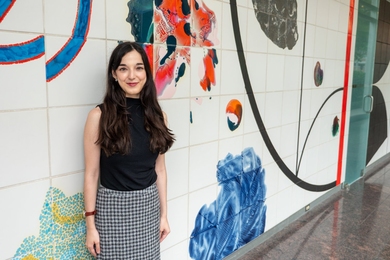
This summer, BSG-MSRP-Bio student Marina Milea investigated how lung cancers become resistant to targeted therapies, gaining hands-on research experience in the Jacks Lab at the Koch Institute.
A new focus on fiction and memoir aims to help the MIT community celebrate the power of storytelling and strengthen social connection.
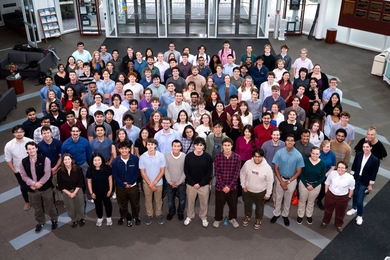
Anna Raymaker and Vivek Jagadeesh tackled cybersecurity threats to ships and inside operating systems, respectively.
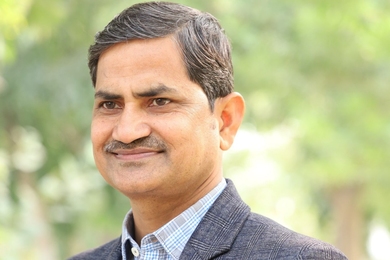
Using knowledge gained from MIT’s free learning materials, an educator in rural India builds apps to reach students who can’t make it to school.
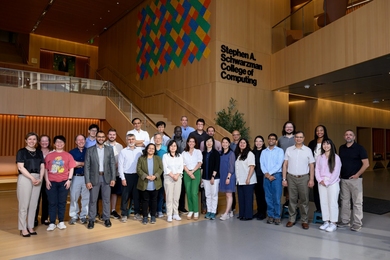
A weeklong summer workshop brought higher education faculty to campus to explore how AI and machine learning materials can be adapted for their classrooms.
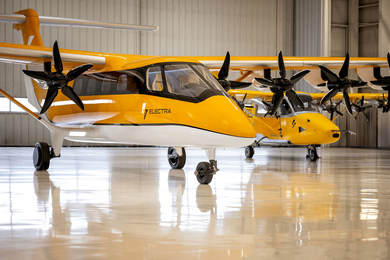
Electra’s hybrid, fixed-wing aircraft, which grew out of a class project, could make travel easier for passengers taking shorter trips.
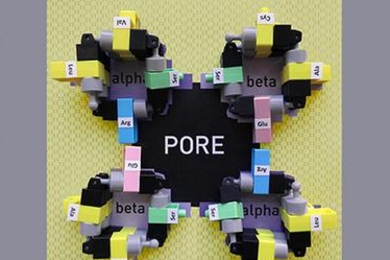
Using a modular kit, the MIT Edgerton Center is bringing a hands-on biology curriculum to Massachusetts’ second-largest school district.
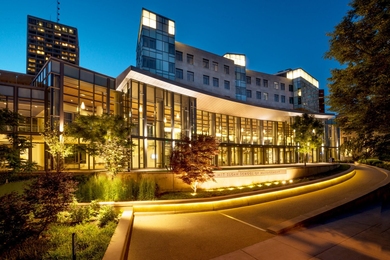
Dean Richard Locke discusses a new program that expands access for working professionals while deepening connections to Greater Boston’s innovation economy.