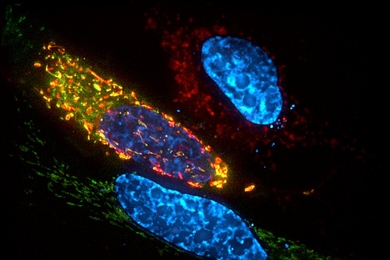
Study IDs key protein for cell death
Findings may offer a new way to kill cancer cells by forcing them into an alternative programmed-death pathway.
Findings may offer a new way to kill cancer cells by forcing them into an alternative programmed-death pathway.
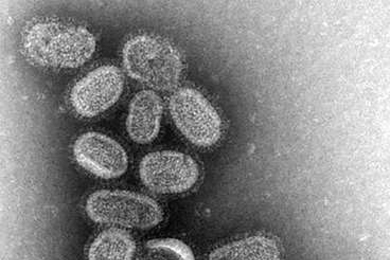
MIT study identifies influenza viruses circulating in pigs and birds that could pose a risk to humans.

New study measures physical changes in tumor cells as they become metastatic.

MIT engineers find that in the earliest stages of arthritis, high-impact exercise may worsen cartilage damage.
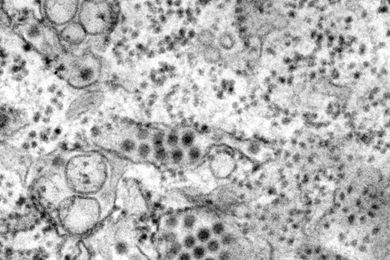
MIT team presents a novel approach to developing a treatment using mutated antibodies.
Drugs that block nitric oxide could weaken cancer cells’ resistance, researchers say.

Measuring enzyme levels in patients may reveal healthy cells’ ability to survive chemotherapy.
Institute names inaugural Skolkovo Foundation Professors.

Griffith, Miller, Schulz and Teng awarded the Institute’s highest undergraduate teaching honor.

Ed Boyden honored for his work on optogenetics; will share 1 million Euro prize with five other researchers.
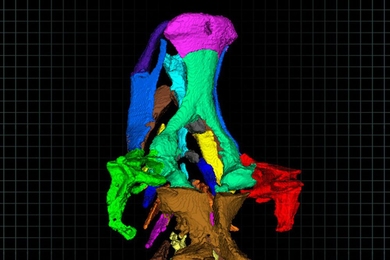
Automated system for high-speed analysis of vertebrate larvae could aid drug development.

MIT engineers design new synthetic biology circuits that combine memory and logic.

Enlisted in the fight against HIV, MIT engineers and scientists contribute new technology, materials and computational studies.

Polymer film that gradually releases DNA coding for viral proteins could offer a better alternative to traditional vaccines.