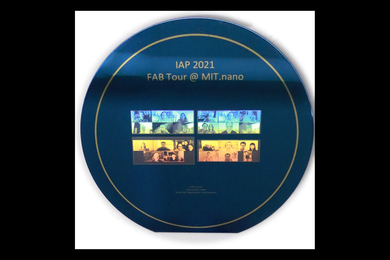
MIT.nano courses bring hands-on experimentation to virtual participants
Five courses celebrate the nanoscale, highlight technologies in photogrammetry and 360-degree videography.
Five courses celebrate the nanoscale, highlight technologies in photogrammetry and 360-degree videography.

A new method called tensor holography could enable the creation of holograms for virtual reality, 3D printing, medical imaging, and more — and it can run on a smartphone.
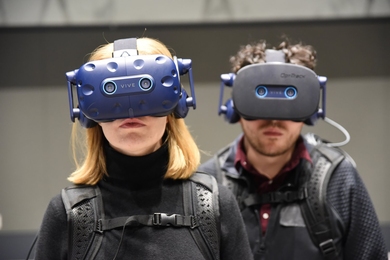
Facility within MIT.nano offers equipment and capabilities for visualizing data, creating immersive environments.
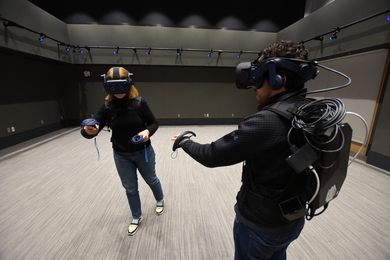
NCSOFT-sponsored grants to advance hardware and software for immersive experiences.
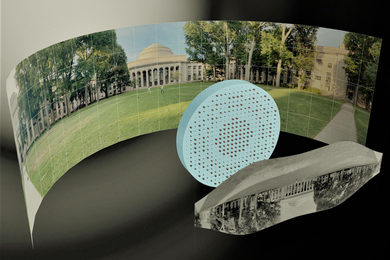
The single piece of glass produces crisp panoramic images.
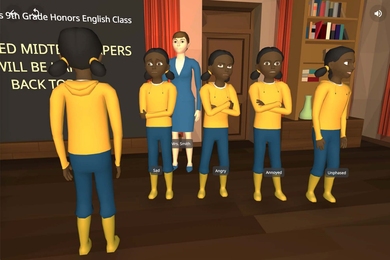
Computational model developed at MIT builds off of 2019 research examining colorblind racial attitudes through a video game.
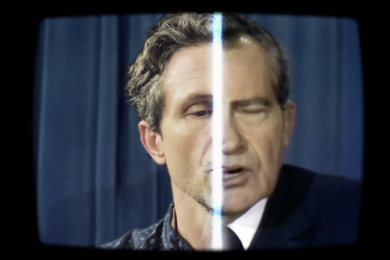
New website from the MIT Center for Advanced Virtuality rewrites an important moment in history to educate the public on the dangers of deepfakes.
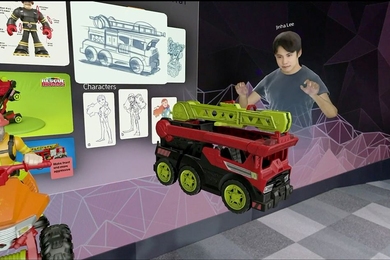
The startup Spatial uses an augmented reality platform to make people feel like they’re working side by side.
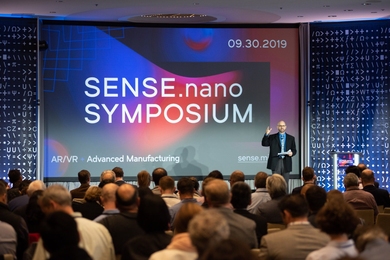
The mission of SENSE.nano is to foster the development and use of novel sensors, sensing systems, and sensing solutions.
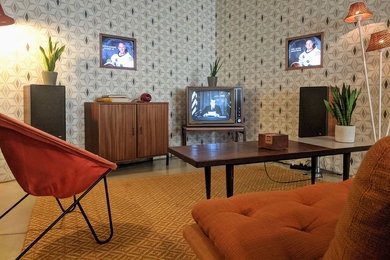
With “In Event of Moon Disaster,” the MIT Center for Advanced Virtuality aims to educate the public on deepfakes with an alternative history of the moon landing.
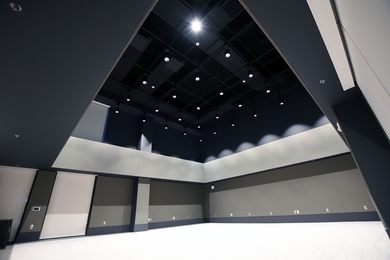
Five software and hardware projects will launch the MIT.nano Immersion Lab Gaming Program.
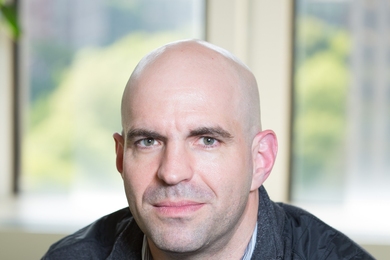
Brian Anthony, co-leader of SENSE.nano, discusses sensing for augmented and virtual reality and for advanced manufacturing.
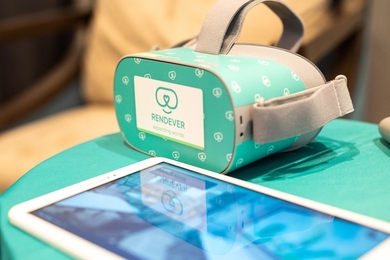
Rendever’s VR platform brings new experiences and fond memories to aging adults in nursing homes.
Program creates a new hub for pedagogy and research in time-based media.
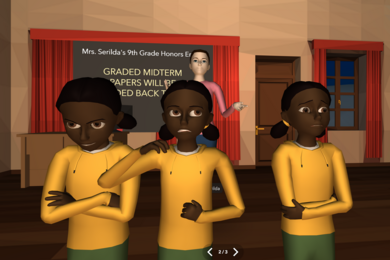
A novel computational model that considers how users have been conditioned to think about race might facilitate training for teachers and students.