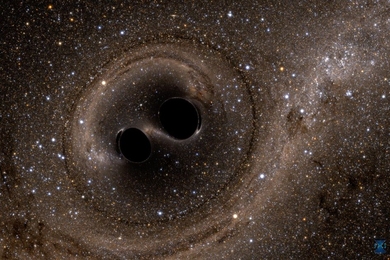
Gravitational waves detected 100 years after Einstein’s prediction
LIGO opens a new window on the universe with the observation of gravitational waves from colliding black holes.
LIGO opens a new window on the universe with the observation of gravitational waves from colliding black holes.
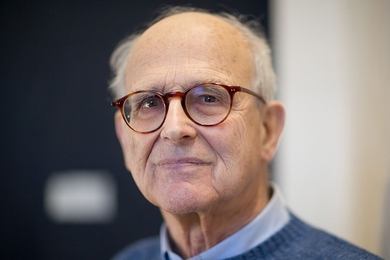
MIT physicist developed the concept for LIGO as a teaching exercise.
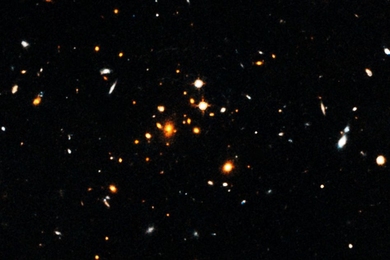
Formed in the first 4 billion years of the universe, cluster is 1,000 times more massive than the Milky Way.
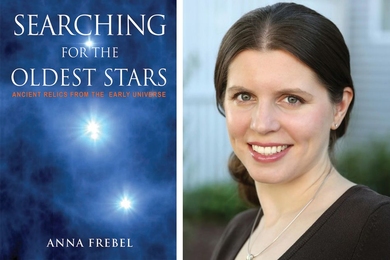
New book details astronomers’ hunt for clues to the early universe.
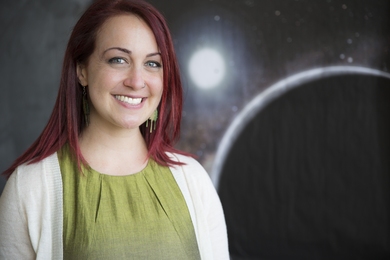
Kavli Institute postdoc and 2015 L'Oreal USA For Women in Science Award winner speaks on her career and why roadblocks remain for women in science.

Though likely uninhabitable, planet is rocky, Earth-sized, and near enough for study of its atmosphere.
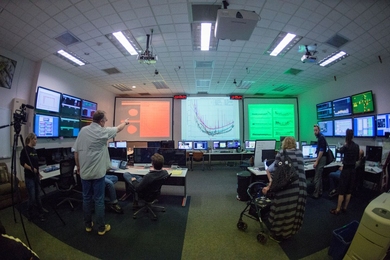
The world's most sensitive gravitational-wave detector is scheduled to go online this week, after seven years of enhancement.
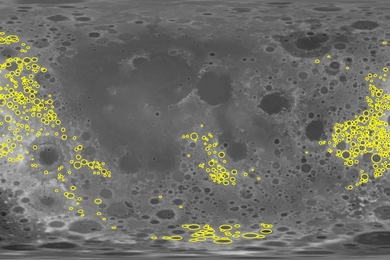
Study finds barrage of small asteroids shattered moon’s upper crust.
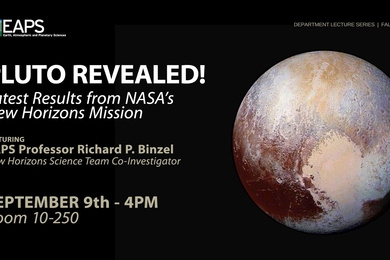
Professor Richard Binzel, NASA New Horizons science team co-PI, shares mission results on Sept. 9.
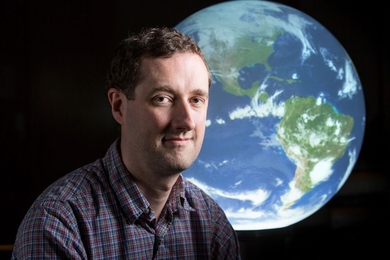
Atmospheric scientist tracks climate change’s effects on extreme storms.
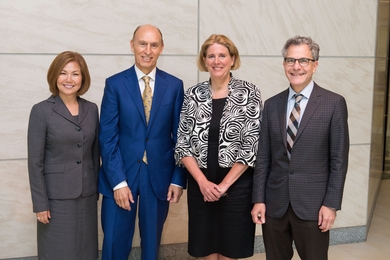
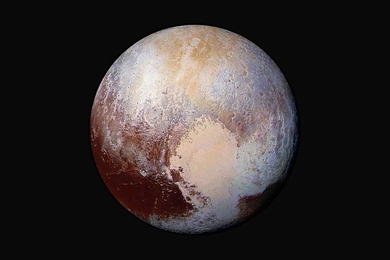
Ice flows and water ice mountains spied by NASA spacecraft support the idea that an interior ocean may be driving geologic activity on Pluto.
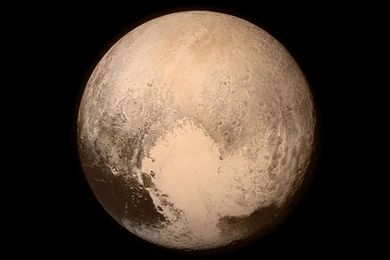
Spacecraft’s close-up images reveal a complex, frozen world.
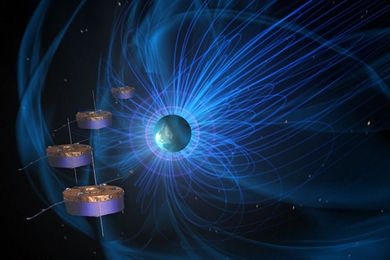
The structure may help scientists identify radiation-remediation strategies in space.
MIT scientists assist as a NASA mission chases Pluto’s shadow to catch details of its atmosphere.