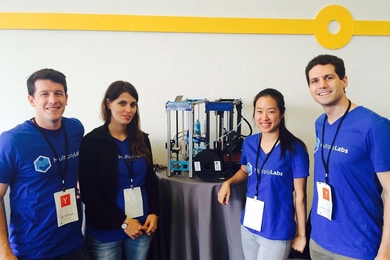
Using supplements? Order a personalized pill
Seed funding from the MIT Sandbox Innovation Fund helped Multiply Labs' founders launch their personalized dietary supplement startup.
Seed funding from the MIT Sandbox Innovation Fund helped Multiply Labs' founders launch their personalized dietary supplement startup.
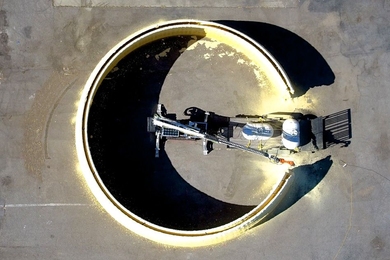
Technology developed at MIT could enable faster, cheaper, more adaptable building construction.
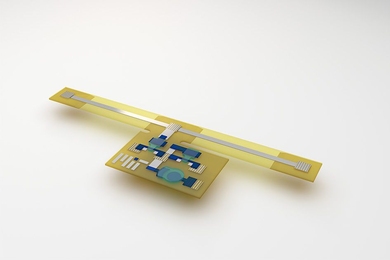
New 3-D-printed device mimics the goldbug beetle, which changes color when prodded.
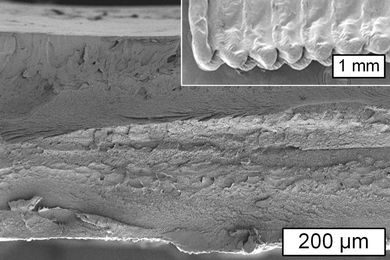
World’s most abundant polymer could rival petroleum-based plastics as source of printing feedstock.
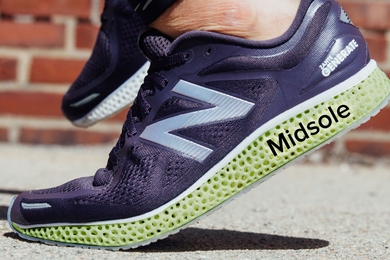
MIT lecturer Jessica Rosenkrantz writes programs mimicking processes in nature to "grow" objects that can be digitally fabricated.
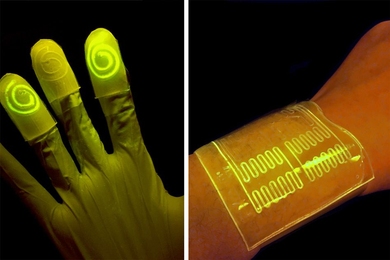
Cell-infused gloves and bandages light up when in contact with certain chemicals.
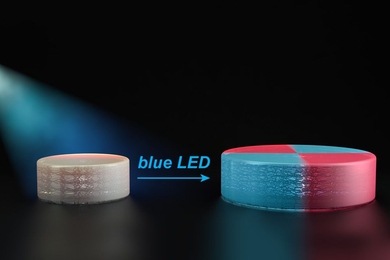
Once fabricated, objects can be altered by adding new polymers.
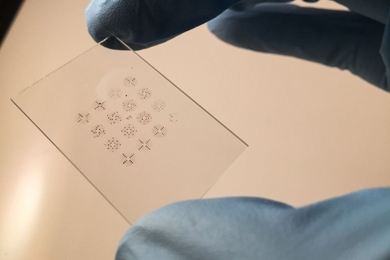

Tata Center graduate fellow Arun Singh shares energy-economic modeling research at UN Climate Change Conference.
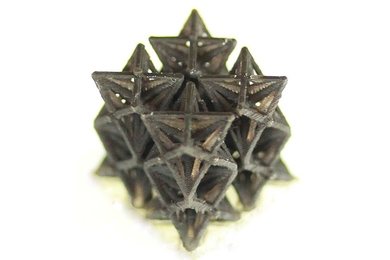
Counterintuitive “metamaterial” may enable heat-resistant circuit boards.
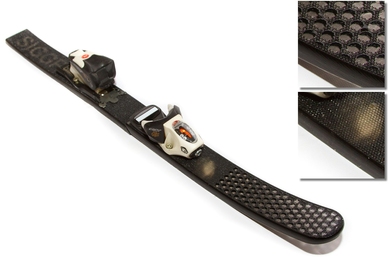
“Foundry” tool from the Computer Science and Artificial Intelligence Lab lets you design a wide range of multi-material 3-D-printed objects.
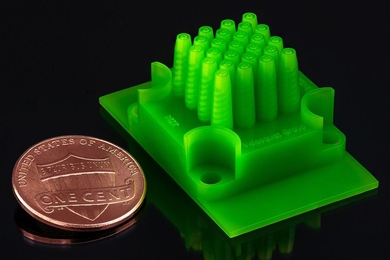
Technique mass-produces uniform, encapsulated particles for pharmaceuticals, many other uses.
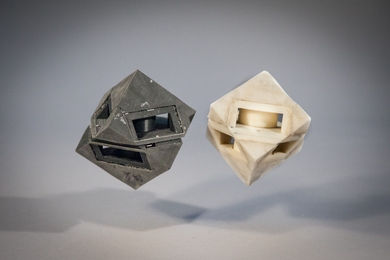
By “programming” customized soft materials, CSAIL team can 3-D print safer, nimbler, more durable robots.

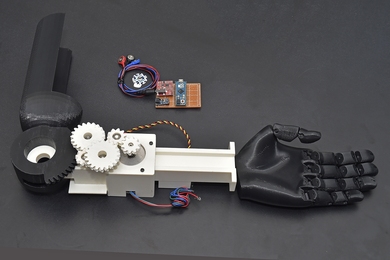
Researchers improve the designs for low-cost 3-D-printed arms and hands.