
Search Stories
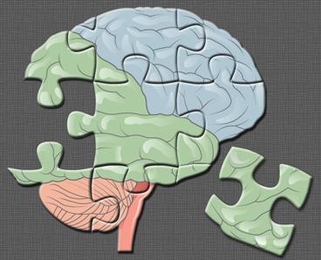
What blame can tell us about autism
Neuroscientists find evidence that autistic patients have trouble understanding other people’s intentions.
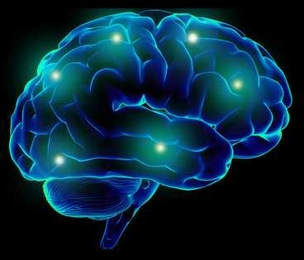
Illuminating the brain
Neuroscientists’ new technique can stimulate brain cells, then reveal how those neurons influence the rest of the brain.
3-D TV? How about holographic TV?
Using a single Xbox Kinect and standard graphics chips, MIT researchers demonstrate the highest frame rate yet for streaming holographic video.

Prodigy of probability
Norbert Wiener gained fame as the father of cybernetics, but his earlier work on statistical descriptions of complex systems may prove more important.

The lonely crowd
In a new book, Sherry Turkle documents the sometimes-detrimental effects of technology on our families and social lives.
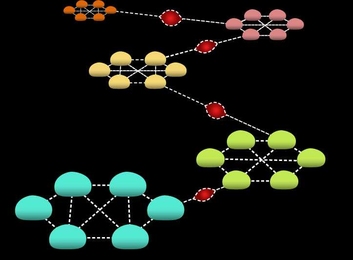
Breaking bottlenecks
A new algorithm enables much faster dissemination of information through self-organizing networks with a few scattered choke points.
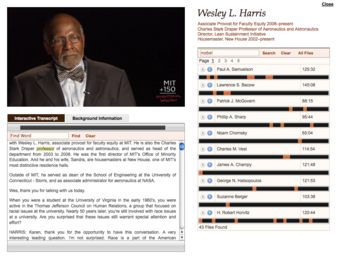
Text-based video navigation
An innovative interface that allows viewers to skip through video by clicking on the associated transcript is a highlight of the MIT150 site.
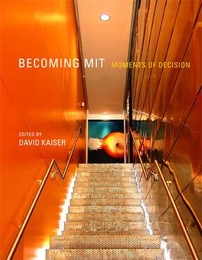

The surprising usefulness of sloppy arithmetic
A computer chip that performs imprecise calculations could process some types of data thousands of times more efficiently than existing chips.

Emeritus: John Heywood
He literally wrote the book on the internal combustion engine — and says rumors of its death are greatly exaggerated.
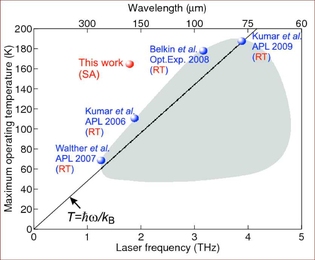
New hope for terahertz
A laser that generates terahertz rays — which can detect explosives — operates at higher temperatures than some thought possible.

Tech support?
Contrasting views on display as MIT researchers debate how technology can curb global poverty.
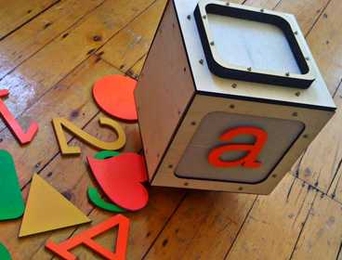
When the playroom is the computer
A block-shaped robot that seems to roll onto a computer screen is part of an educational-media system that gets kids out of their chairs.
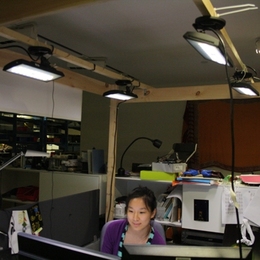
Illuminating research
MIT study finds potential for significant energy savings through user-controlled efficient lighting systems.