When good people do bad things
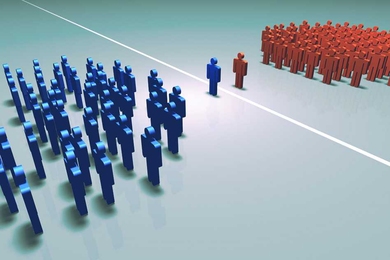
Being in a group makes some people lose touch with their personal moral beliefs, researchers find.
Being in a group makes some people lose touch with their personal moral beliefs, researchers find.

PhD student Joseph Azzarelli works on low-cost sensors to monitor the environment and save money.
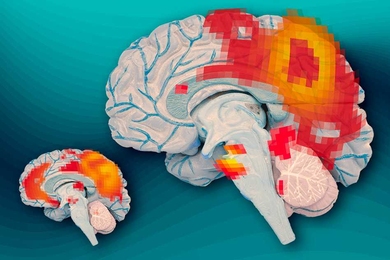
Brain scans differentiate adults who have recovered from childhood ADHD and those whose difficulties linger.
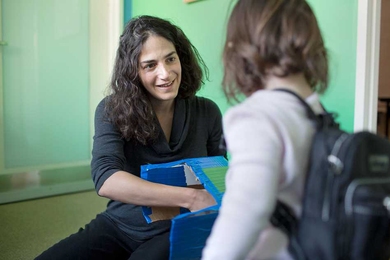
“Many of tomorrow’s problems are going to be solved by you,” DuPont CEO Ellen Kullman tells 2014 grads.
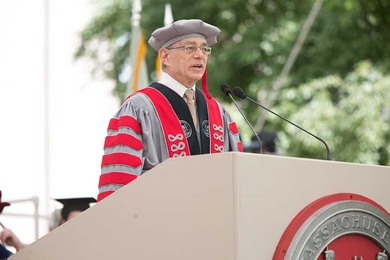
"Rebuild the engine of society until it delivers the kind of performance we expect from ourselves at MIT," president tells the Class of 2014.
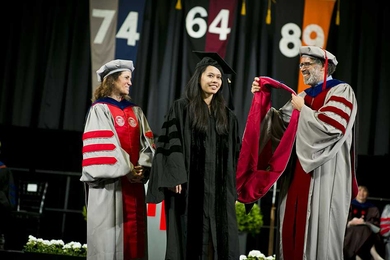
Advanced degree candidates receive their doctoral hoods in advance of Commencement.
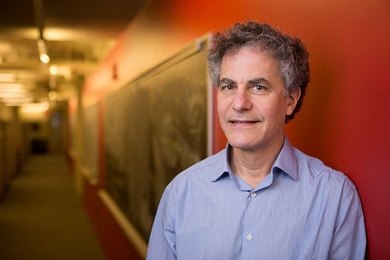
Sipser has served as interim dean since Marc Kastner’s departure.
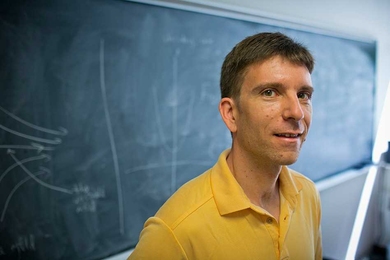
MIT mathematician William Minicozzi unleashes ‘a wave of new results’ in geometric analysis.
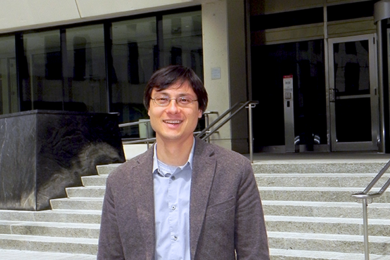
Championing biophysics research: MIT professor Jeff Gore brings together interdisciplinary team, explores population dynamics in yeast and honeybees.

Researchers look to the Southern Ocean for an explanation of the “Last Glacial Maximum.”