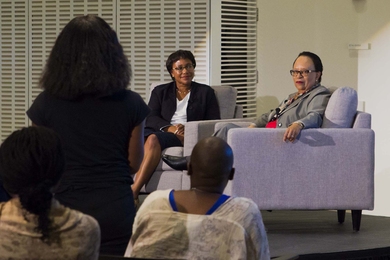
Shirley Jackson speaks about her career and being an agent for change
Professor Paula Hammond talks with MIT Corporation life member about her experiences as an MIT student, research scientist, and university president.
Professor Paula Hammond talks with MIT Corporation life member about her experiences as an MIT student, research scientist, and university president.

At Plume Labs in Paris, MIT-France interns take on an invisible threat by helping to develop a wearable device that tracks indoor and outdoor air quality.

Nuclear science and engineering graduate student receives Department of Energy Innovation Award for his work on plasma turbulence.

Insight into cement’s microscopic properties may lead to stronger, more sustainable concrete.

Automatic code-patching system corrects nearly twice as many errors as its predecessors.
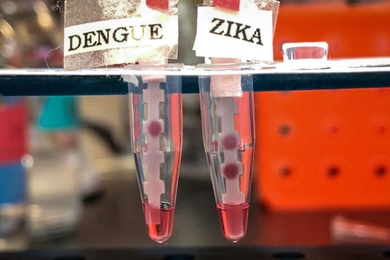
Paper-based diagnostic avoids false positives from Dengue fever and other related viruses.
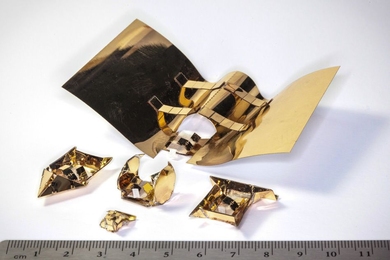
Shape-shifting device from CSAIL can walk, roll, sail, and glide using recyclable exoskeletons.
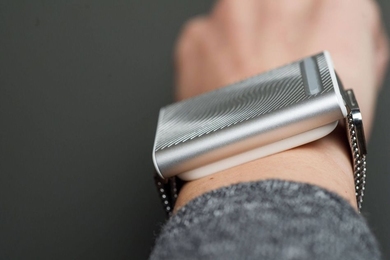
MIT spinout prepares to launch line of wristbands that keep wearers thermally comfortable.
![“[Glucose-responsive insulin] has been a longstanding goal of the diabetes field,” says professor Michael Strano. “If done correctly, you could make it so that diabetics could take an occasional dose and never have to worry about their blood sugar.”](/sites/default/files/styles/term_page__news_article/public/images/201709/MIT-Glucose-Insulin.jpg?itok=DxQhQ2rC)
Engineered insulin that can be activated by high blood sugar could improve diabetics’ quality of life.
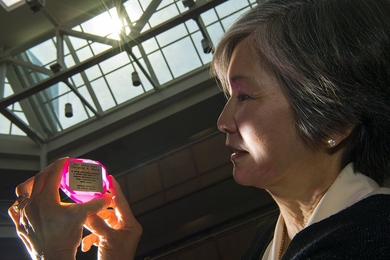
Award recognizes outstanding contributions to the field of crystal growth and epitaxy, the development of crystals for use in photonics, microelectronics, and more.
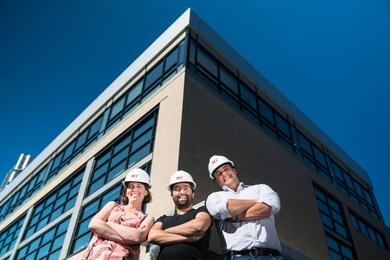
Members of AeroAstro and MechE are returning to a dramatically renovated building, with robots, drones, and even a Corvette in tow.

Method may help predict hotspots of instability affecting climate, aircraft performance, and ocean circulation.
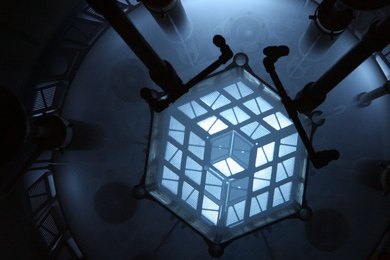
New program eases access to the MIT Reactor for MIT faculty and research staff.
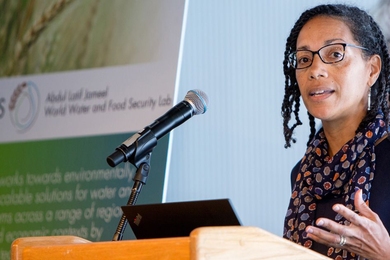
MIT researchers supported by J-WAFS present results of their work on food and water security.