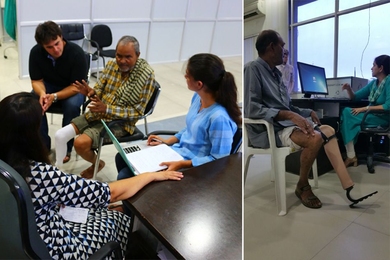
Low-cost prosthetic foot mimics natural walking
New design can be tuned to an individual’s body weight and size.
New design can be tuned to an individual’s body weight and size.
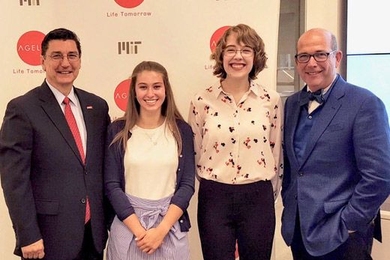
Local youth recognized for fostering unity across generations.
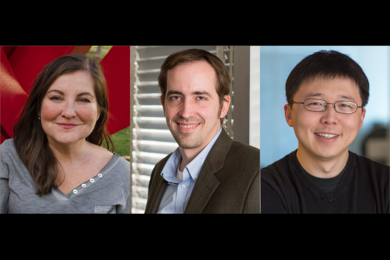
Three MIT faculty members selected for funding from the G. Harold and Leila Y. Mathers Foundation.

Study reveals atomic structure of tropoelastin, showing what goes wrong in some diseases.
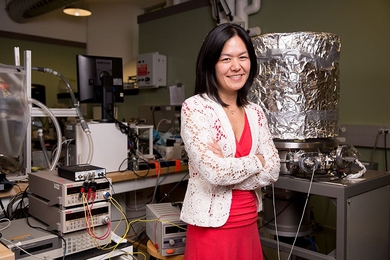
Expert in high-efficiency energy and water systems will succeed Gang Chen as MechE department head.
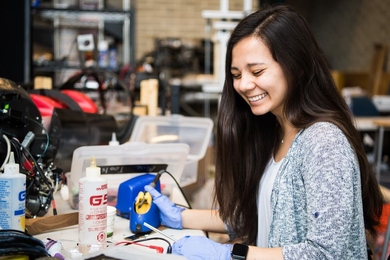
Graduate student Alexa Aguilar helps tiny satellites communicate and builds connections in her academic community.
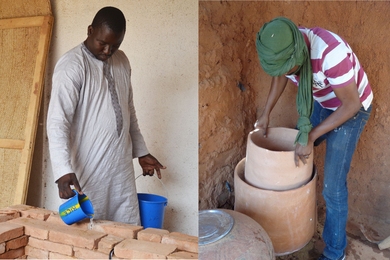
CITE and D-Lab study finds evaporative cooling devices show promise for helping small-scale farmers, market vendors, and families store and preserve vegetables.

A member of the MIT faculty since 1985, Hastings will succeed Jaime Peraire as AeroAstro department head.
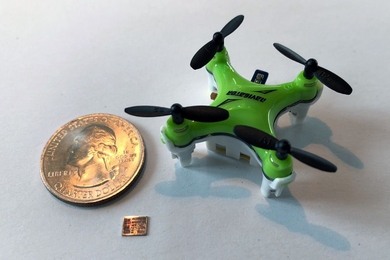
Low-power design will allow devices as small as a honeybee to determine their location while flying.
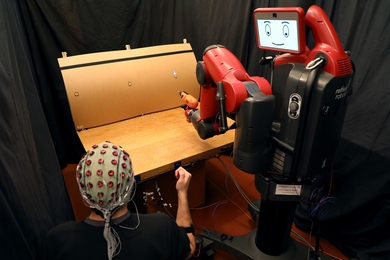
Computer Science and Artificial Intelligence Laboratory system enables people to correct robot mistakes on multiple-choice tasks.
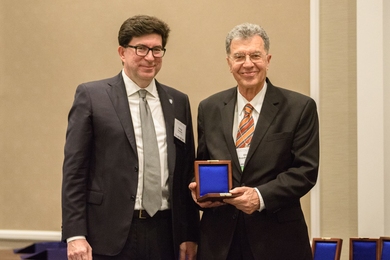
Prestigious award recognizes contributions to sustainable infrastructure.
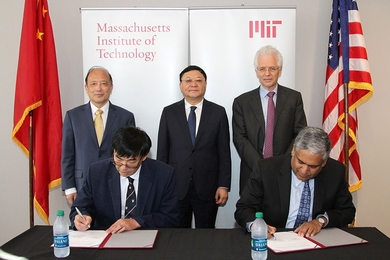
Two centers located in Shenzhen, China, and Cambridge, Massachusetts, will facilitate collaborative research opportunities.
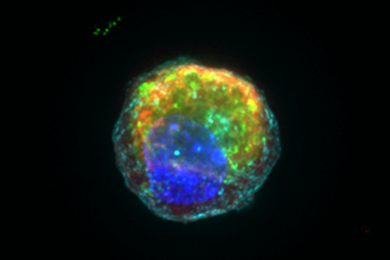
Researchers generate an intestinal cell mimic that can be harnessed in studies of diseases such as inflammatory bowel disease.

MIT engineers develop a way to triple the survival time for swimmers in wetsuits.

Institute Professor chosen to help forge connections and identify opportunities for sustained international cooperation.