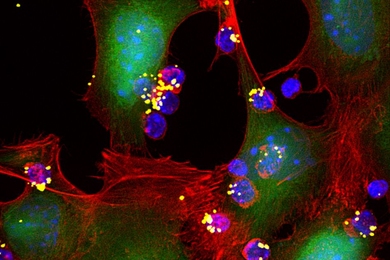
Nanoparticles give immune cells a boost
Drugs carried in cellular “backpacks” help T cells to destroy tumors.
Drugs carried in cellular “backpacks” help T cells to destroy tumors.
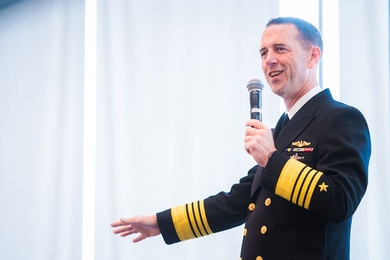
Chief of Naval Operations Admiral John Richardson SM ’89, EE ’89, ENG ’89 poses global challenges to academe.
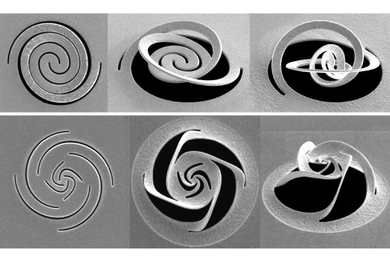
Folding and cutting thin metal films could enable microchip-based 3-D optical devices.
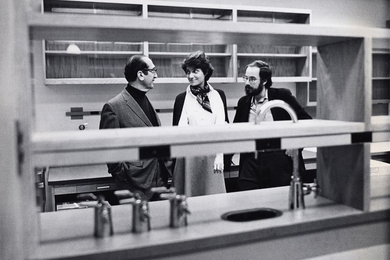
Initiative is building collections highlighting the contributions of female faculty.
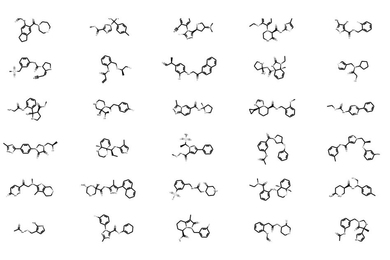
Machine-learning model could help chemists make molecules with higher potencies, much more quickly.

Given a video of a musical performance, CSAIL’s deep-learning system can make individual instruments louder or softer.
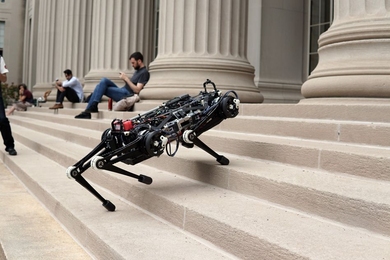
Improved design may be used for exploring disaster zones and other dangerous or inaccessible environments.

Water-starved areas could find new sources by desalinating water that’s much less salty than seawater.
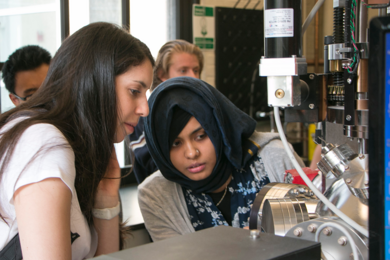
Lab assignments for MIT Materials Research Laboratory undergraduate researchers and teachers cut across disciplines.
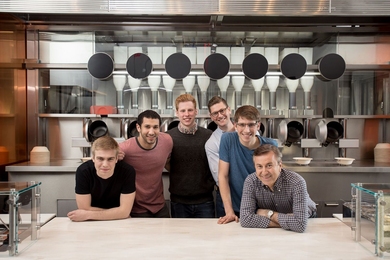
Spyce, a robot-assisted restaurant located in Boston, was invented to respond to a common MIT student desire: good, low-cost food.
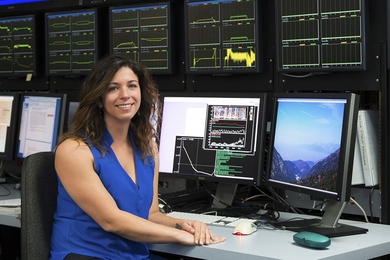
Postdoc Cristina Rea's detour into banking provides a new route back to plasma research.
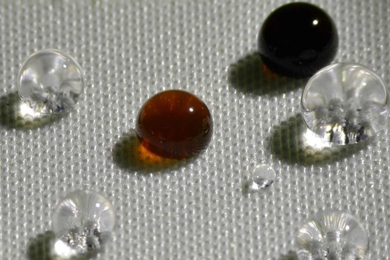
MIT-developed process could offer nontoxic alternative to environmentally harmful chemicals.
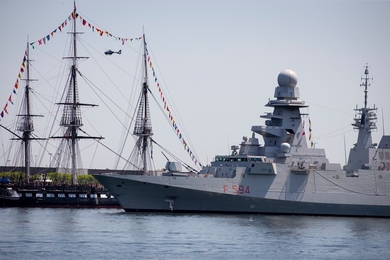
Retired Rear Admiral Chuck Goddard OCE ’85, SM ’85 is leading a bid to design the US Navy’s next class of guided-missile frigates.
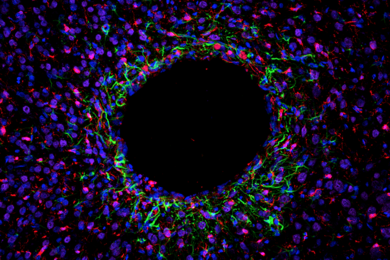
MIT researchers develop new tools to enable targeted delivery of drugs to deep brain structures through implanted microprobes.
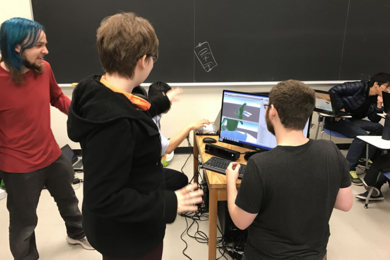
Students and staff combine workshopping and OpenCourseWare to demonstrate human-centered pedagogies in the context of modern topics and technologies.