Artificial data give the same results as real data — without compromising privacy
New approach can help organizations scale their data science efforts with artificial data and crowdsourcing.
New approach can help organizations scale their data science efforts with artificial data and crowdsourcing.
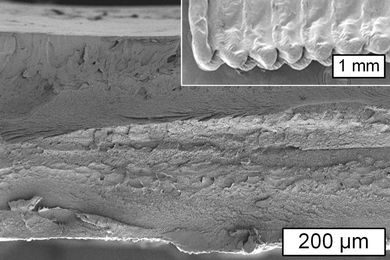
World’s most abundant polymer could rival petroleum-based plastics as source of printing feedstock.
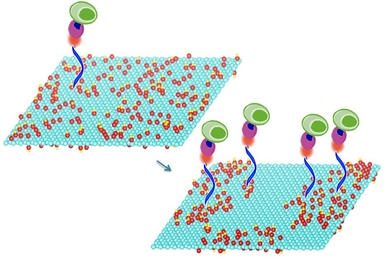
New method could enable pinpoint diagnostics on individual blood cells.
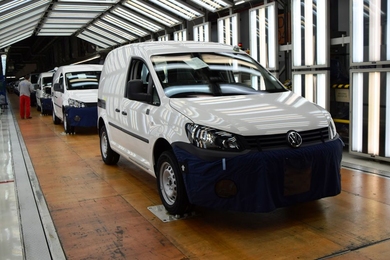
Countries hit hardest by automaker’s emissions scandal include Germany, Poland, France, and Czech Republic.

New sensor could reveal the neurotransmitter’s role in learning and habit formation.
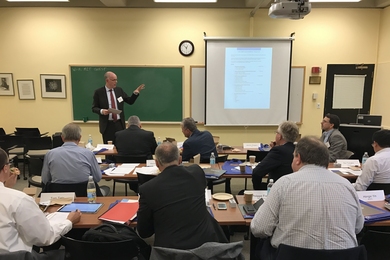
A recent meeting on the MIT campus laid the foundation for better coordination of global research relating to cement and sustainability.
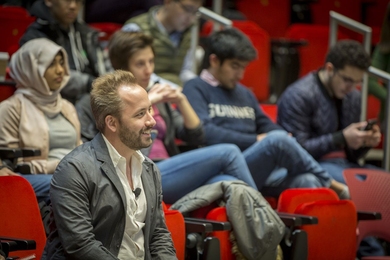
Drew Houston ’05 chatted with student innovators and shared his latest projects.
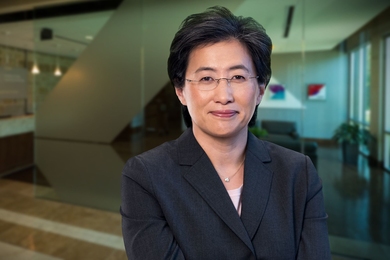
EECS alumna and industry leader returns to campus for the June 8 ceremony.

After Dresselhaus’ recent passing, GE invited PhD candidate Leora Cooper to walk the red carpet at the 2017 Academy Awards in her grandmother's stead.
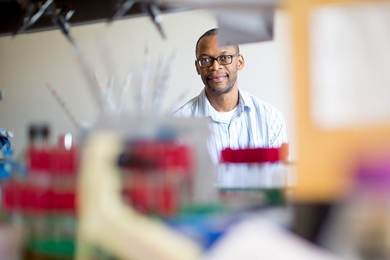
Measuring the parasite’s heme levels could help scientists develop better antimalarial drugs.
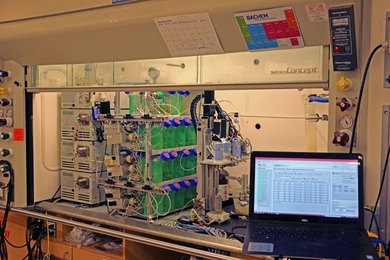
Automated manufacturing could make it easier to develop and test new peptide drugs.
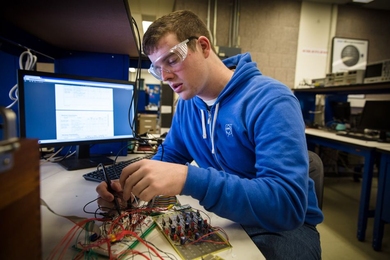
Zachary Hulcher, Marshall Scholar and offensive lineman, will study high-energy physics in the U.K.
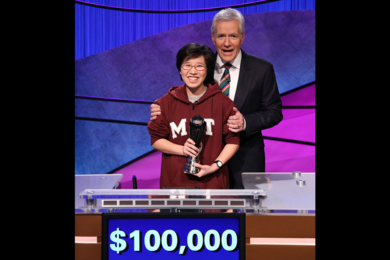
Chin takes the $100,000 grand prize, surpassing 14 on-air contestants and thousands of applicants from colleges around the U.S.
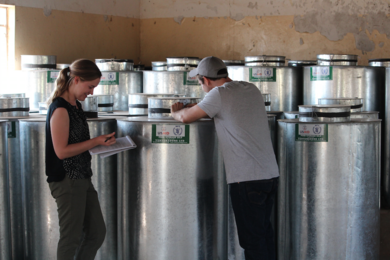
Study of post-harvest storage technology use in Uganda assesses potential for farmer adoption, identifies supply chain challenges and solutions.
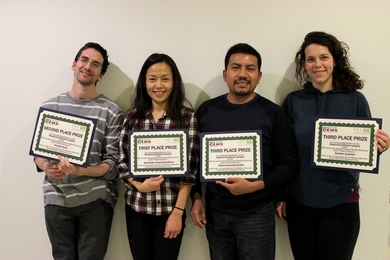
Annual poster session showcases recent work on biological effects of exposure to environmental agents.