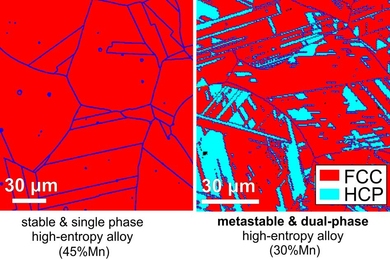
New metal alloys overcome strength-ductility tradeoff
Promising new approach overturns widespead metallurgical assumption.
Promising new approach overturns widespead metallurgical assumption.
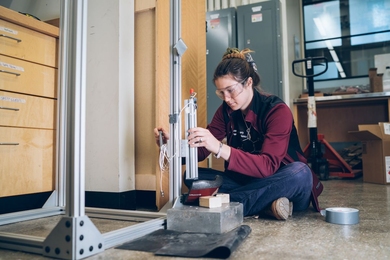
Two new programs, MakerBucks and MakerLodge, for MIT freshmen will provide training, funds, and community for makers.
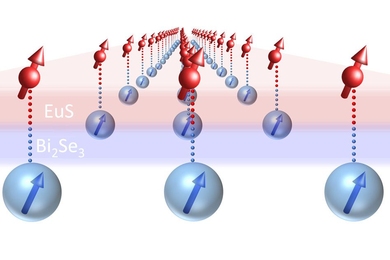
Combining two thin-film materials yields surprising room-temperature magnetism.
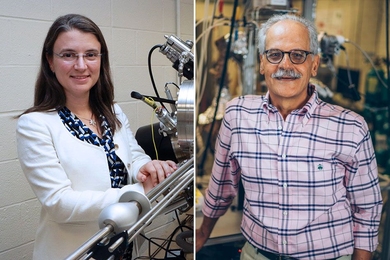
Winning teams will use grants to advance research in areas including fuel cells, solar-powered desalination, and impacts of electric vehicle charging on the power grid.
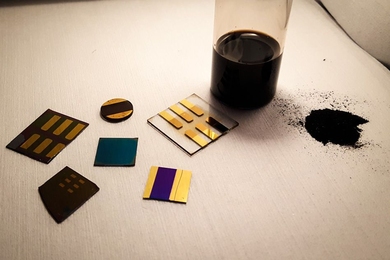
Instead of burning up this complex hydrocarbon, let’s make devices from it, says Jeffrey Grossman.
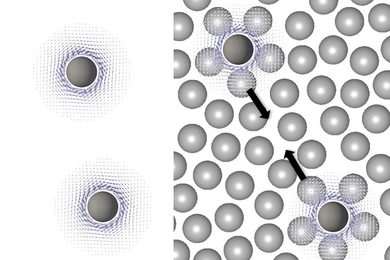
Spinning cells could attract each other across surprisingly long distances.
MIT ranked within the top 5 globally for 19 of 42 subject areas.
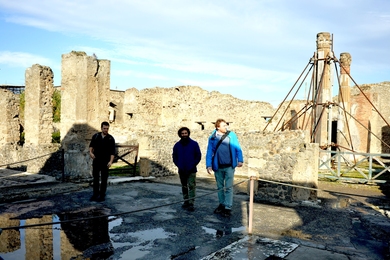
New fieldwork program in civil and environmental engineering takes students to Italy for a lesson in ancient infrastructure and materials.
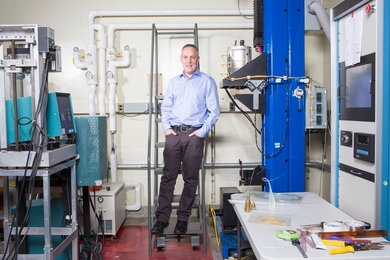
National public-private consortium led by MIT will involve manufacturers, universities, agencies, companies.
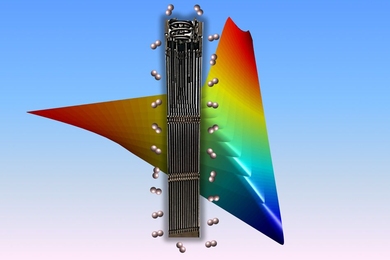
New approach to preventing embrittlement could be useful in nuclear reactors.
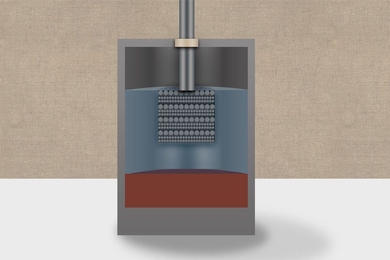
Grid-scale approach to rechargeable power storage gets new arsenal of possible materials.
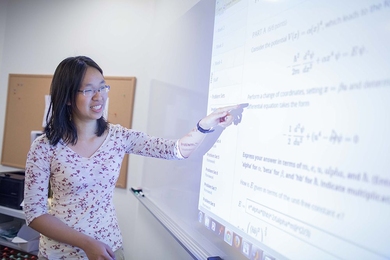
New projects emphasize using digital methods not possible in traditional classes, leveraging research-based teaching practices, and measuring student learning.
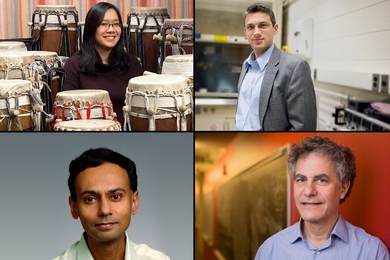
Devadas, Grossman, Sipser, and Tang awarded MIT’s highest undergraduate teaching award.
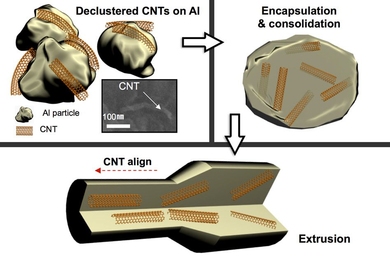
Aluminum used in nuclear reactors and other harsh environments may last longer with new treatment.

Videos hosted by Professor Lorna Gibson bring an engineering approach to birding.