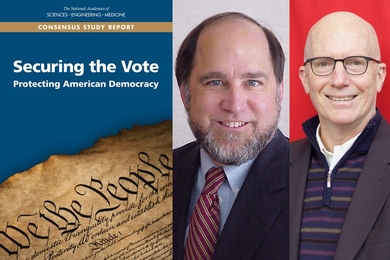
Report outlines keys to election security
MIT experts are among co-authors calling for ballot paper trails and other resilient practices to avoid election hacking.
MIT experts are among co-authors calling for ballot paper trails and other resilient practices to avoid election hacking.
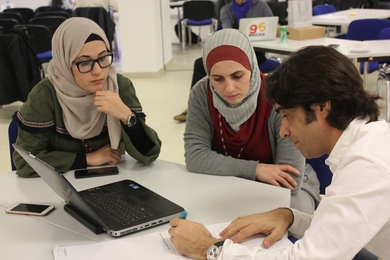
Now accepting applications for new students, MIT ReACT Hub launched its first program in Jordan earlier this year with a certificate in computer and data science.

Inaugural director of The Quest discusses what's been accomplished since last spring's launch and what is on the horizon.

Model extracts granular behavioral patterns from transaction data to more accurately flag suspicious activity.

CSAIL system could help athletes, dancers, and others better analyze how they move.

Agarwal is recognized for making education more accessible to people around the world, via edX open-source online platform.

Model learns to pick out objects within an image, using spoken descriptions.

Machine learning system efficiently recognizes activities by observing how objects change in only a few key frames.
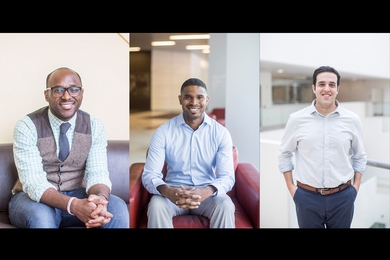
Three MIT postdocs earn competitive Howard Hughes Medical Institute fellowships that support diversity in the sciences.
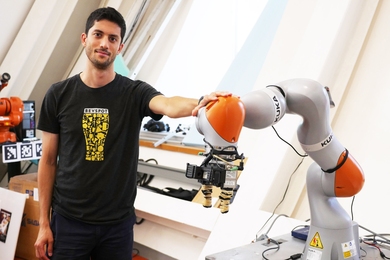
Breakthrough CSAIL system suggests robots could one day be able to see well enough to be useful in people’s homes and offices.
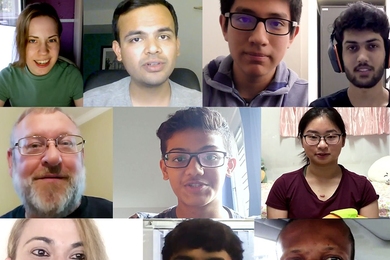
Since its first online offering in 2012, Introduction to Computer Science using Python from MITx has become the most popular MOOC in MIT history.

Neural network learns speech patterns that predict depression in clinical interviews.

By training on patients grouped by health status, neural network can better estimate if patients will die in the hospital.

CSAIL wireless system suggests future where doctors could implant sensors to track tumors or even dispense drugs.
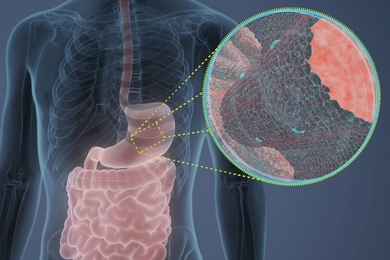
Screen of human proteins reveals some with antimicrobial power.