
Kicking neural network design automation into high gear
Algorithm designs optimized machine-learning models up to 200 times faster than traditional methods.
Algorithm designs optimized machine-learning models up to 200 times faster than traditional methods.
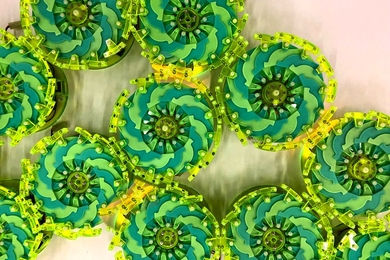
Loosely connected disc-shaped “particles” can push and pull one another, moving en masse to transport objects.
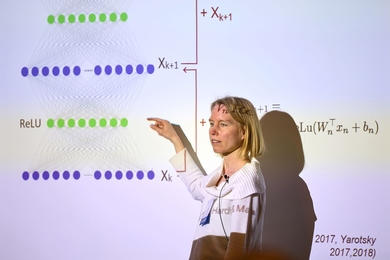
MIT Institute for Data, Systems, and Society co-hosted WiDS Cambridge, a daylong conference connecting data scientists across academia and industry.

Master’s student and Marshall Scholar Kyle Swanson uses computer science to help make drug development more efficient.
The MIT community is invited to comment on ways to increase sharing of research, data, software, and more.

CSAIL researcher and web inventor recognized for his startup inrupt, which aims to give users more control over their data.
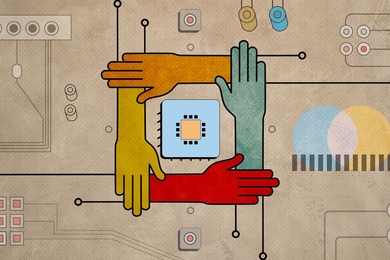
Faculty representing all five MIT schools offer views on the ethical and societal implications of new technologies.
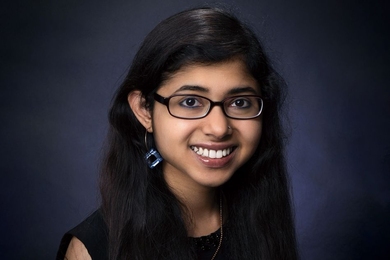
Senior majoring in computer science and molecular biology will pursue an MPhil at Cambridge University.
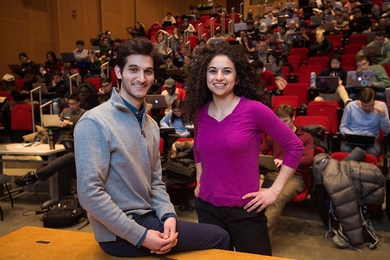
A popular student-coordinated class draws a capacity crowd from across the MIT campus and beyond.
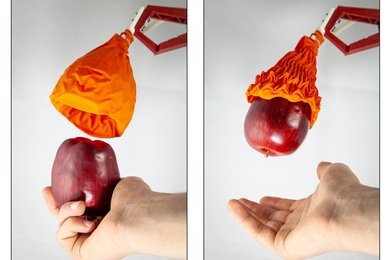
Gripper device inspired by “origami magic ball” can grasp wide array of delicate and heavy objects.
Graduate engineering program is No. 1 in the nation; MIT Sloan is No. 3.

Alumni-founded Toast provides technologies that help get an order from a customer to the kitchen and back again.

Annual student-led conference connects MIT researchers and industry partners.
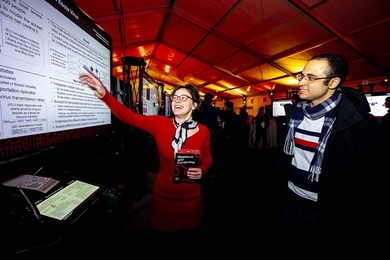
Research projects show creative ways MIT students are connecting computing to other fields.
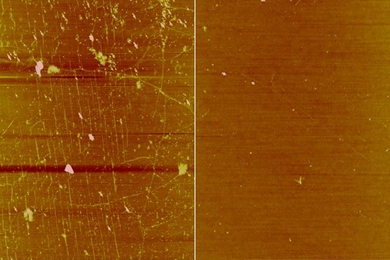
Coating graphene with wax makes for a less contaminated surface during device manufacturing.