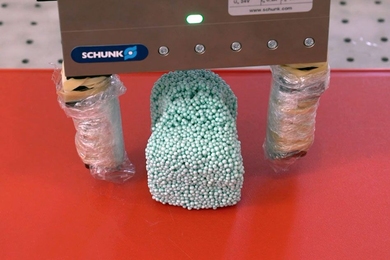
Giving robots a better feel for object manipulation
Model improves a robot’s ability to mold materials into shapes and interact with liquids and solid objects.
Model improves a robot’s ability to mold materials into shapes and interact with liquids and solid objects.
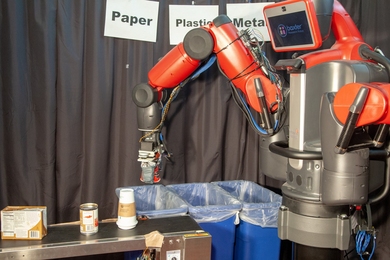
CSAIL’s "RoCycle" system uses in-hand sensors to detect if an object is paper, metal or plastic.

Researchers free up more bandwidth by compressing “objects” within the memory hierarchy.

Award funds graduate studies for talented immigrants and children of immigrants.

Satellite operator's visualization tool could help prevent space collisions.
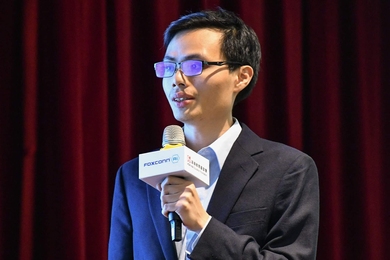
Through MIT Professional Education’s Advanced Study Program, Ernie Ho found the tools — and the community — he needed to realize his vision and launch his career.
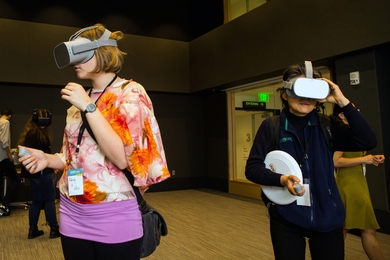
Video game developer NCSOFT joins with MIT.nano to apply the language of gaming to technology research and education.
Counting search queries isn’t easy, but MIT CSAIL’s new LearnedSketch system for “frequency-estimation” aims to help.

New architecture promises to cut in half the energy and physical space required to store and manage user data.
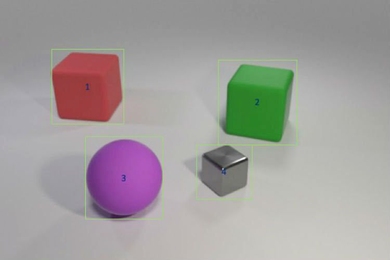
Researchers combine statistical and symbolic artificial intelligence techniques to speed learning and improve transparency.

At this year's MacVicar Day symposium, faculty and students reflect on the challenges and joys of education in the 21st century.
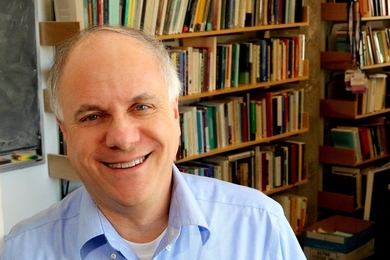
MIT Professor David Pesetsky describes the science of language and how it sheds light on deep properties of the human mind.
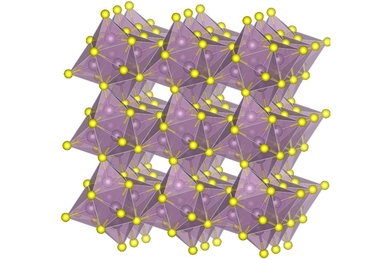
“Hybrid” cathodes could provide more power for a given weight and volume.
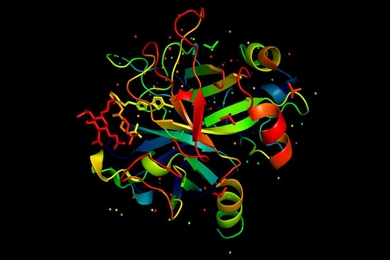
Technique could improve machine-learning tasks in protein design, drug testing, and other applications.
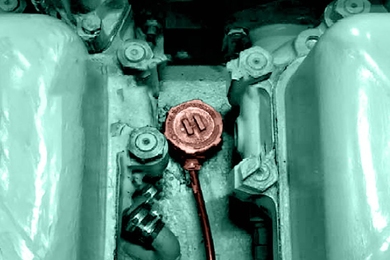
Sensor can monitor wiring in a building or ship, and signal when repairs are needed.