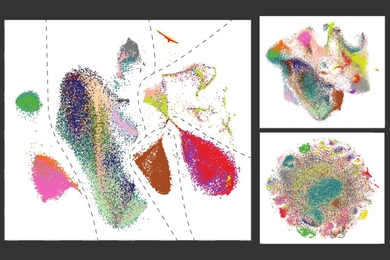
Merging cell datasets, panorama style
Algorithm stitches multiple datasets into a single “panorama,” which could provide new insights for medical and biological studies.
Algorithm stitches multiple datasets into a single “panorama,” which could provide new insights for medical and biological studies.

Faculty members recognized for excellence via a diverse array of honors, grants, and prizes over the last quarter.

Data-sampling method makes “sketches” of unwieldy biological datasets while still capturing the full diversity of cell types.
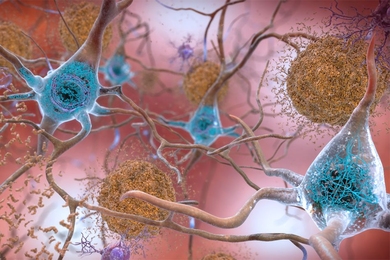
Analysis of genes altered by the disease could provide targets for new treatments.
Projects will develop new AI technologies that detect and prevent diseases.
CSAIL team studies what email users want for better automating email — and proposes "YouPS" filtering tool.

In planning for the MIT Schwarzman College of Computing, working group is exploring needs across all parts of the Institute.

Tiny robots powered by magnetic fields could help drug-delivery nanoparticles reach their targets.
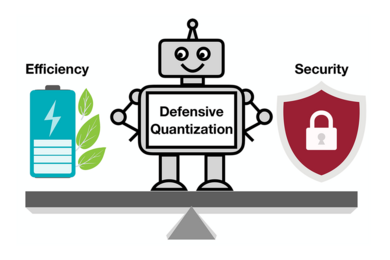
Researchers unveil a tool for making compressed deep learning models less vulnerable to attack.

MIT researchers joined Cambridge Rindge and Latin School students for a two-day event focused on future-ready skills.
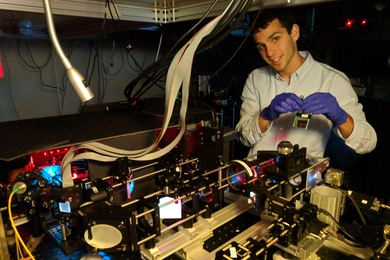
Award funds graduate studies to advance groundbreaking applied science.
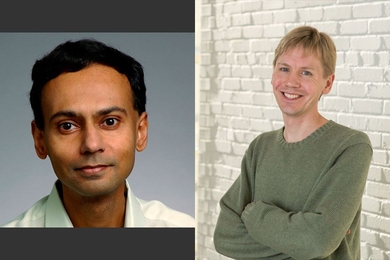
Working Group on Curricula and Degrees co-chairs discuss their progress toward establishing credentials and courses for the college.

EECS faculty member is recognized for technical innovation, educational excellence, and efforts to advance women and underrepresented minorities in her field.
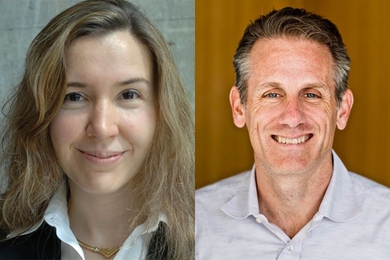
Co-chairs of the Organizational Structure working group discuss their goals and progress.
Prestigious honor society announces more than 200 new members.