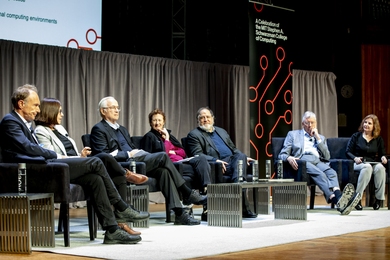
Computing the future
Fireside chat brings together six Turing Award winners to reflect on their field and the MIT Stephen A. Schwarzman College of Computing.
Fireside chat brings together six Turing Award winners to reflect on their field and the MIT Stephen A. Schwarzman College of Computing.
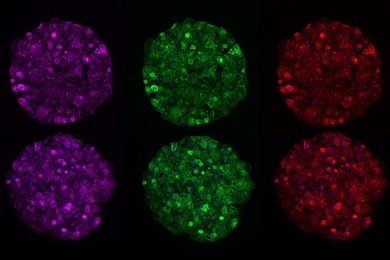
Studies could speed the development of new treatments for liver disease.
Researchers design a negotiation strategy to help cities and organizations minimize losses when their data are held hostage.
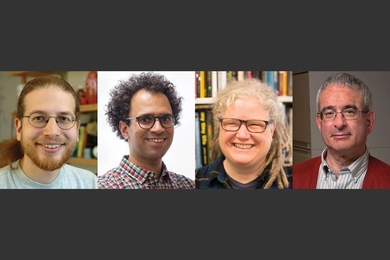
Professors Angrist, Demaine, Jones, and Taylor receive MIT's highest honor in undergraduate teaching.
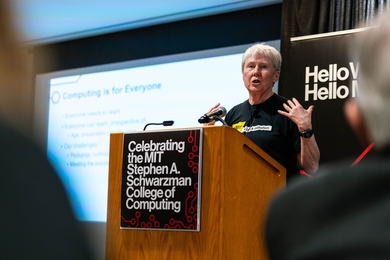
Symposium speakers describe how colleges must meet the challenges of a rapidly emerging environment in which "computing is for everyone."

Growing material directly onto substrates and recycling chip patterns should enable faster, simpler manufacturing.
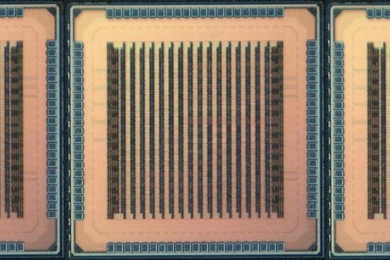
Efficient chip enables low-power devices to run today’s toughest quantum encryption schemes.
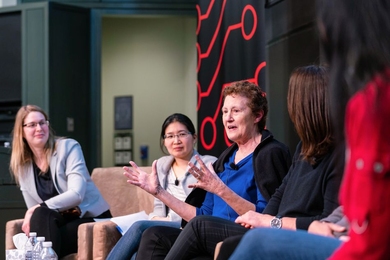
Luminaries in computing and cognition discuss their journeys and share their insights.
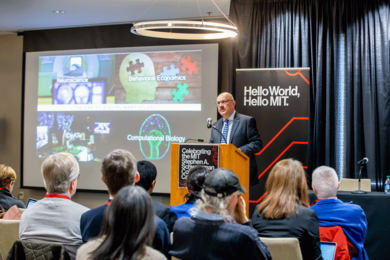
Conference celebrating new MIT Schwarzman College of Computing explores the changing face of higher ed.
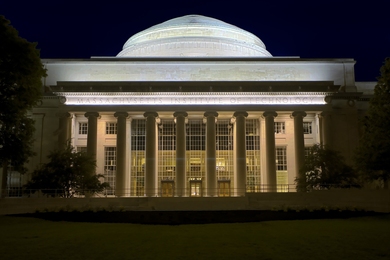
Institute ranks within the top 2 in 17 of 48 subject areas.
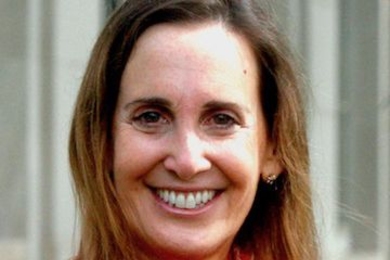
The International Society for Computational Biology Senior Scientist Award recognizes highly significant, long-term career achievement.
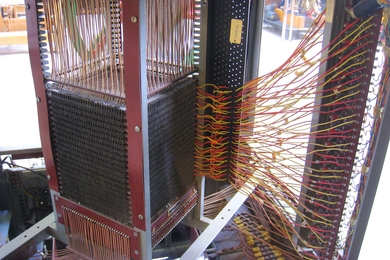
From digital circuits to ingestible robots, the Institute has helped spearhead key innovations in the technology revolution.

System better allocates time-sensitive data processing across cores to maintain quick user-response times.
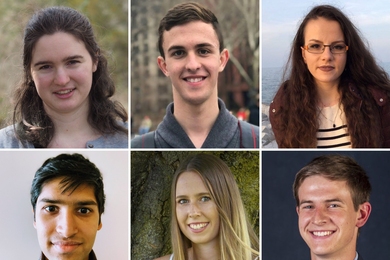
Undergraduate research projects show how students are advancing research in human and artificial intelligence, and applying intelligence tools to other disciplines.
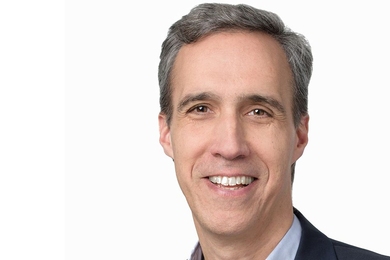
Alumnus and founding dean of Cornell Tech in New York City will return to MIT this summer.