
Estimating suicide risk from text
A new language-processing tool could help identify the highest-risk individuals from natural language, enabling swifter interventions.
A new language-processing tool could help identify the highest-risk individuals from natural language, enabling swifter interventions.
Making a decision requires juggling a set of options without getting them confused or losing track of them. A new MIT study shows how neurons encode information to maximize clarity throughout the process.
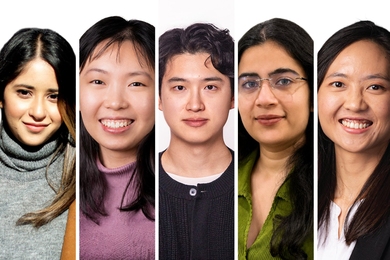
Patricia and James Poitras ’63 provide fellowships for graduate students and postdocs who will shape the future of mental health research.

Innovative strategies, technologies, and collaborations are helping MIT advance solutions on campus and beyond.
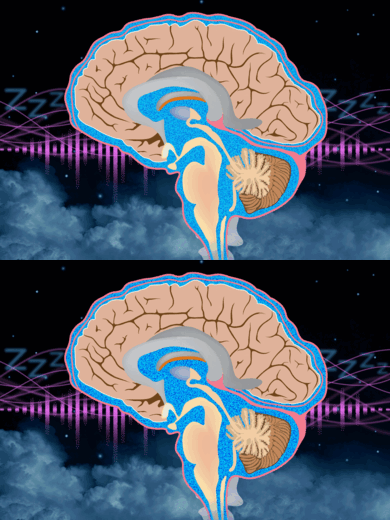
Delivered at just the right time, this type of auditory stimulus can strengthen the flow of cerebrospinal fluid, which clears debris from the brain and keeps it healthy.
The brain's ability to generate quick, nimble volitional thought — and a unified awareness of thought and experience — arises from analog computations, MIT neuroscientists argue in a new review.
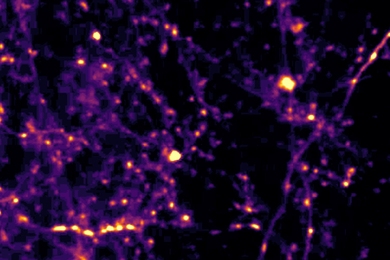
To keep track of what’s going on in front of it, the brain relies not only on what it sees, but also a comparison with what it just saw. A new study pinpoints the circuit that provides that service.
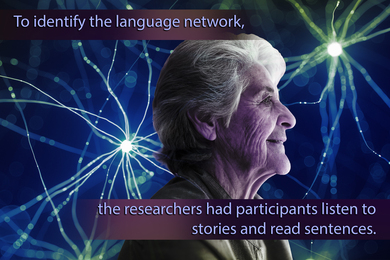
MIT researchers find that activity in the brain’s language network is nearly identical in young and old people.
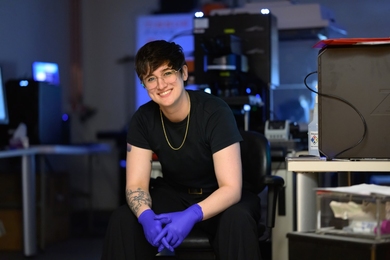
Shannon Knight, a brain and cognitive sciences PhD candidate and McGovern Institute researcher, focuses on developing a novel gene therapy.
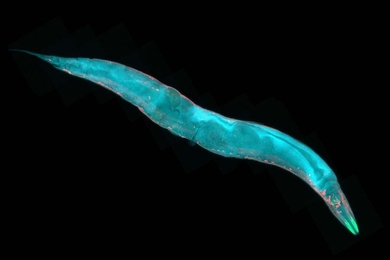
A study of worms finds a protein that helps shape the structure of the genome is critical for establishing the identity of some neurons.
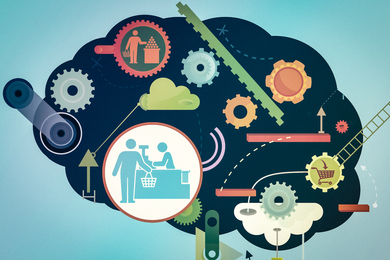
Neuroscientists have discovered circuits in the prefrontal cortex that can be repurposed to store different types of information.
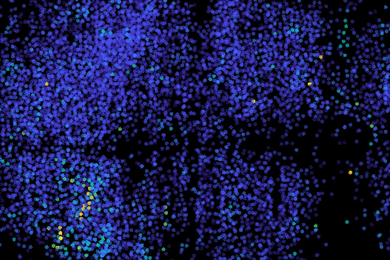
The new technique could help scientists learn how the entire brain works to generate decisions and emotions.
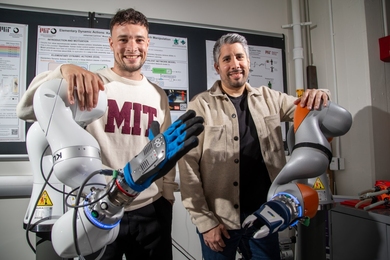
MIT engineers introduce an adaptive physical therapy system that uses generative AI to learn from physical therapists and interactively support stroke patients.
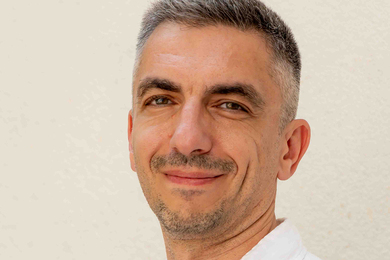
An expert in machine learning, statistics, and computation, Rakhlin succeeds Professor Ankur Moitra.
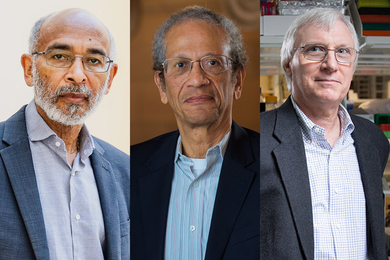
Longtime professors and experts in the fields of anesthesiology, aerospace engineering, and biological engineering, respectively, receive MIT’s highest faculty honor.