
Putting data privacy in the hands of users
New platform forces data center servers to only use data in ways that users explicitly approve.
New platform forces data center servers to only use data in ways that users explicitly approve.

President L. Rafael Reif and Senior Associate Dean of Graduate Education Blanche Staton help Sidney-Pacific students cook and serve Sunday brunch.
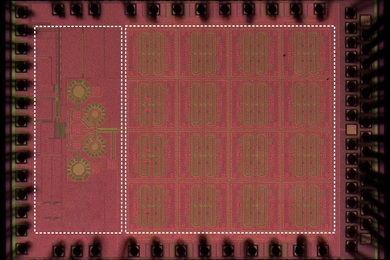
On-chip system that detects signals at sub-terahertz wavelengths could help steer driverless cars through fog and dust.
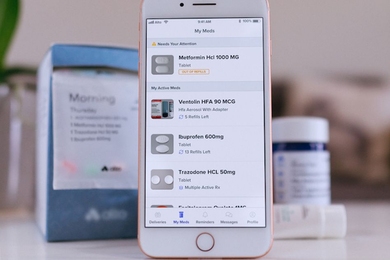
Alto Pharmacy uses software and an innovative operations model to improve access to medication.
Members have made advances in molecular processes, rheology, computer networking, nanocrystalline metals, affective computing, and semiconductor tech.
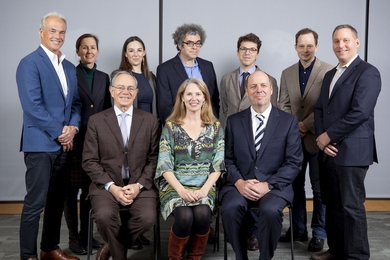
The prestigious awards are supporting five innovative projects that challenge established norms and have the potential to be world-changing.
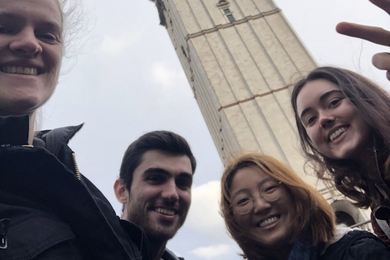
Students say they're enthusiastic about the new MIT-Imperial Academic Exchange pilot program.

Casey Evans, Stewart Isaacs, and Jessica Zhu are honored for outstanding academic performance, civic contributions, and research.
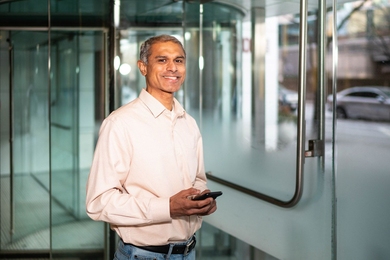
“The purpose of a business should be to solve real problems for real customers,” says MIT Professor Hari Balakrishnan, cofounder of Cambridge Mobile Telematics.
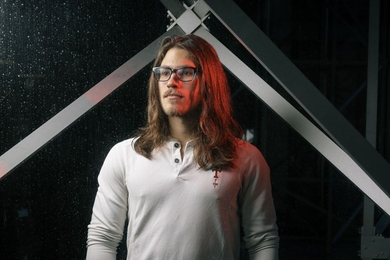
For senior Héctor Javier Vázquez Martínez, studying and teaching abroad has brought new friendships, new research interests, and a new outlook.
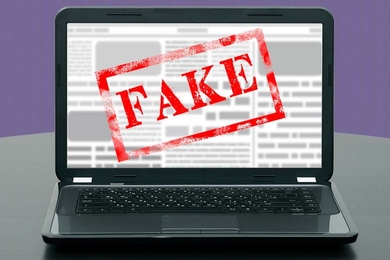
Study uncovers language patterns that AI models link to factual and false articles; underscores need for further testing.
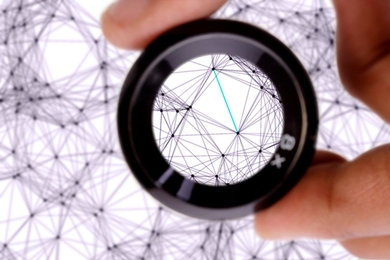
Researchers pinpoint the “neurons” in machine-learning systems that capture specific linguistic features during language-processing tasks.
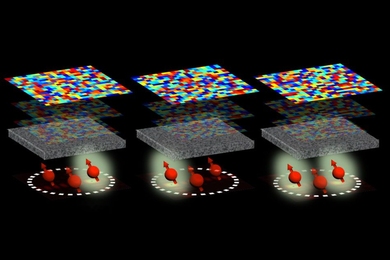
Approach developed by MIT engineers surmounts longstanding problem of light scattering within biological tissue and other complex materials.

Undergraduate researchers discussed their projects at a well-attended poster session.
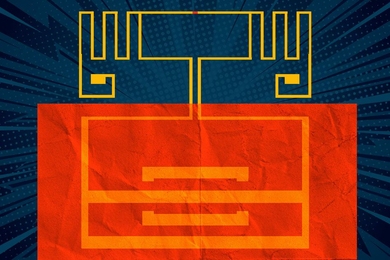
Device made from flexible, inexpensive materials could power large-area electronics, wearables, medical devices, and more.