Q&A: Climate Grand Challenges finalists on using data and science to forecast climate-related risk
Faculty leaders highlight innovations that can close longstanding knowledge gaps and reimagine how the world responds to the climate crisis.
Faculty leaders highlight innovations that can close longstanding knowledge gaps and reimagine how the world responds to the climate crisis.
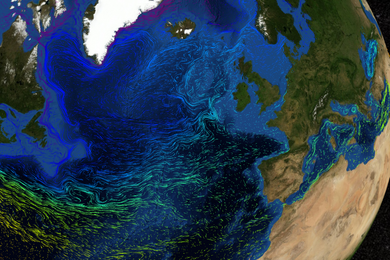
MIT scientists hope to deploy a fleet of drones to get a better sense of how much carbon the ocean is absorbing, and how much more it can take.
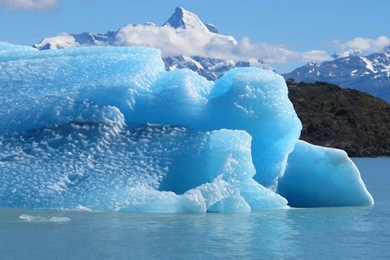
Brent Minchew leads two proposals to better understand glacial physics and predict sea-level rise as part of MIT's Climate Grand Challenges competition.
Graduate engineering, economics, and various science programs are No. 1 in the nation; MIT Sloan is No. 5.

When it comes to carbon storage, some MIT scientists think the best solution is to find the fastest way to turn carbon into rock.

Faculty leaders describe their efforts to develop potentially game-changing tools.
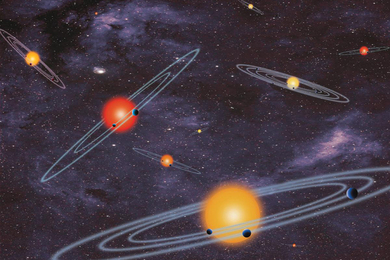
Among thousands of known exoplanets, MIT astronomers flag three that are actually stars.

Scientists propose a new mechanism by which oxygen may have first built up in the atmosphere
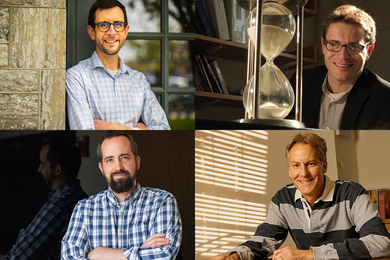
Professors Kamrin, Lang, McGee, and Shoulders are honored for exceptional undergraduate teaching.
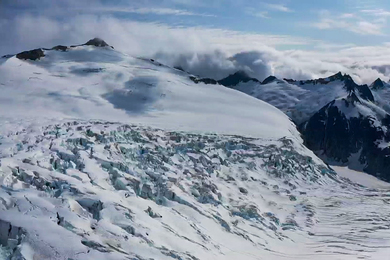
Changes to a key ice flow equation could refine estimates of sea level rise.
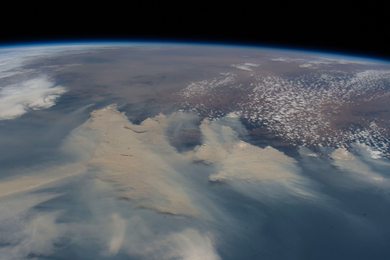
If wildfires become larger and more frequent, they might stall ozone recovery for years.
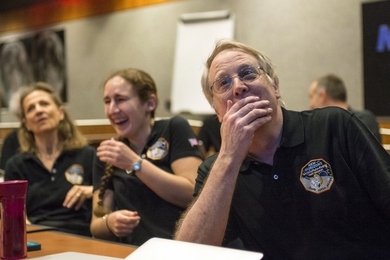
Over more than three decades at MIT, Binzel developed key insights into the solar system and played a role in multiple NASA missions.

A Museum of Science, Boston exhibit benefits from oceanographer Paola Malanotte-Rizzoli’s work on the Venetian Lagoon’s MOSE barrier project.
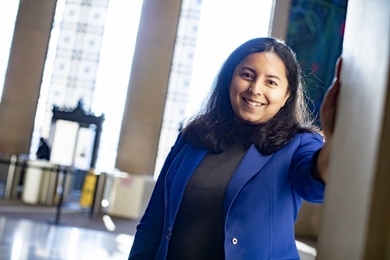
Assistant dean for diversity, equity, and inclusion at the MIT School of Science answers three questions about the work ahead.
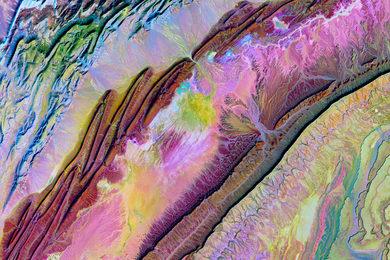
Geophysicists Camilla Cattania and William Frank team up to explore the tectonics and fault mechanics behind earthquakes, and their associated hazards.