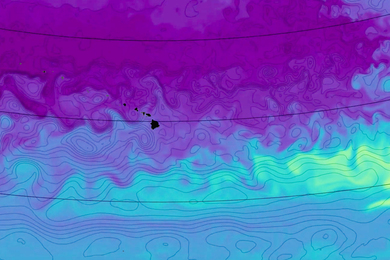
Small eddies play a big role in feeding ocean microbes
Swirling waters replenish nutrients in open ocean, a new study finds, and could mitigate some climate change effects.
Swirling waters replenish nutrients in open ocean, a new study finds, and could mitigate some climate change effects.
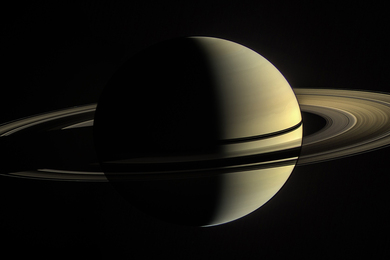
A “grazing encounter” may have smashed the moon to bits to form Saturn’s rings, a new study suggests.
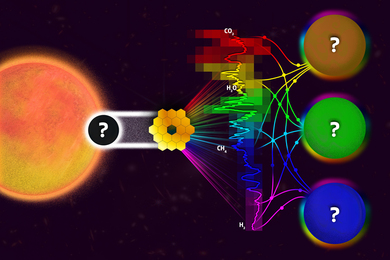
Refining current opacity models will be key to unearthing details of exoplanet properties — and signs of life — in data from the powerful new telescope.

In a long-studied population of wandering albatrosses, females are less likely to stick with a shy mate.
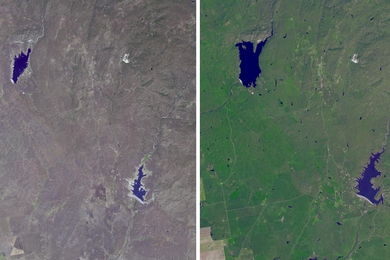
New research showcases a pilot application using seismometers to monitor groundwater aquifers in California.
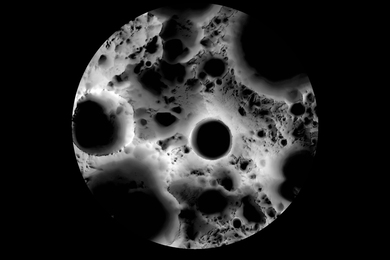
The moon sustained twice as many impacts as can be seen on its surface, scientists find.

With over 200 published papers, multiple books, and countless media appearances, Emanuel’s 41 years at MIT have been marked by influential research into hurricane formation and climate change outreach.
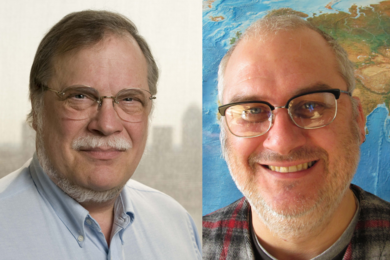
Ed Boyle to step down as director; Mick Follows will take over the directorship in July.
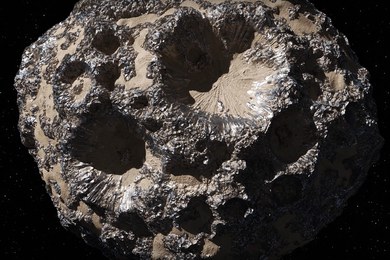
The varied surface suggests a dynamic history, which could include metallic eruptions, asteroid-shaking impacts, and a lost rocky mantle.
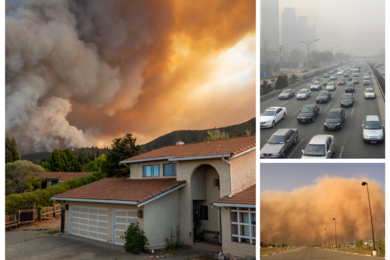
MIT research highlights the opportunity to rethink global air quality guidelines.

Fieldwork campfire jam sessions and geology lessons helped inspire senior Zoe Levitt to pursue songwriting full time.
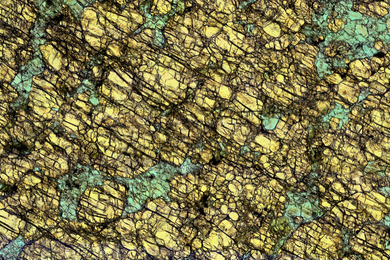
New findings may help explain how Earth’s crust forms, the location of ore deposits, and why some volcanoes are more explosive than others.
Twenty winning projects will link industry member priorities with research groups across campus to develop scalable climate solutions.
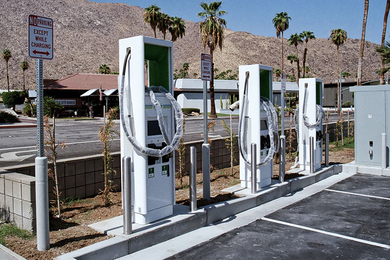
New study reveals multiple pathways for a successful energy transition by 2050.

A new platform will unite climate models, impact predictions, random control trial evaluations, and humanitarian services to bring cutting-edge tools to Bangladeshi communities.