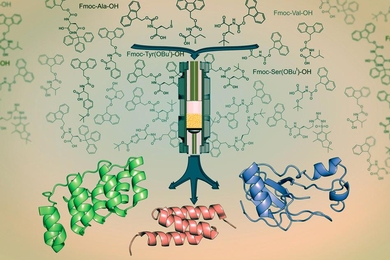
Fast synthesis could boost drug development
Chemists devise a new way to manufacture peptide drugs, which hold promise for treating many diseases.
Chemists devise a new way to manufacture peptide drugs, which hold promise for treating many diseases.
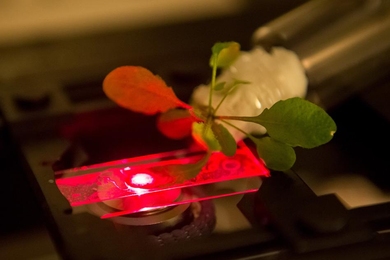
Nanotechnology could turn shrubbery into supercharged energy producers or sensors for explosives.

Fluid dynamics researcher profoundly influenced his field

Langer honored for his discoveries in controlled drug-release systems and new biomaterials; awards ceremony hosted by Kevin Spacey to be broadcast Jan. 27

Shifts in zinc’s location could be exploited for early diagnosis of prostate cancer.
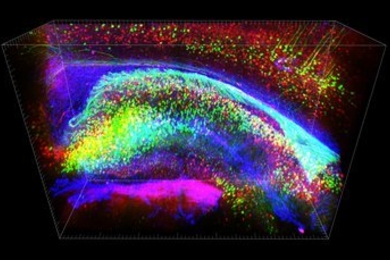
Studying these cells could lead to new treatments for diseases ranging from gastrointestinal disease to diabetes.

Researchers design drug-carrying nanoparticles that can be taken orally
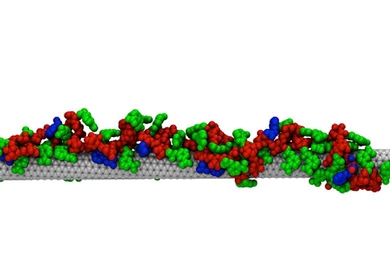
Synthetic polymers coating a nanoparticle surface can recognize specific molecules just like an antibody.
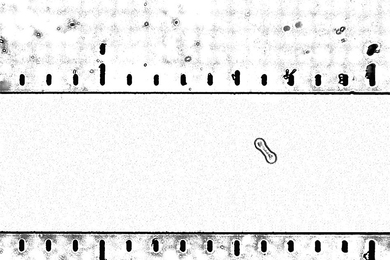
Asymmetrical particles could make lab-on-a-chip diagnostic devices more efficient and portable.
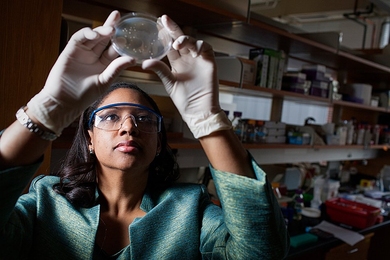
Kristala Jones Prather engineers cells to produce useful compounds such as drugs and biofuels.
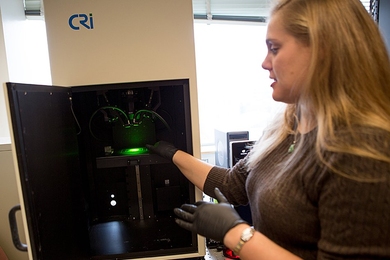
Carbon nanotubes that detect nitric oxide can be implanted under the skin for more than a year.

New nanoparticles weaken tumor-cell defenses, then strike with chemotherapy drug.
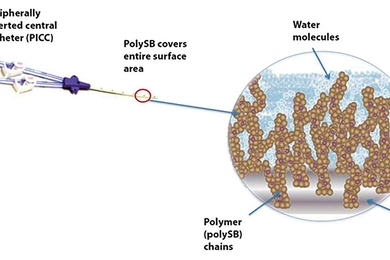
Startup Semprus Biosciences develops a permanent solution for keeping bacteria off implanted medical devices.
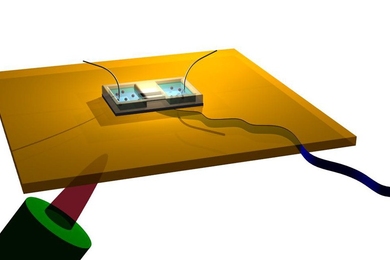
Researchers find that tiny molecules passing through nanotubes can be propelled or slowed depending on their size.