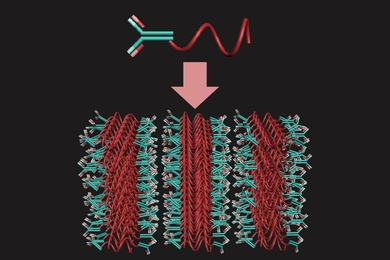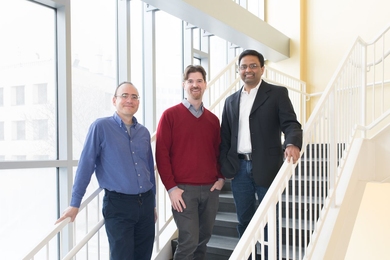
MIT undertakes Grand Challenge for innovation in global vaccine manufacturing
Bill and Melinda Gates Foundation awards MIT, University College London, and University of Kansas $17.6M for development and production of low-cost vaccines.
Bill and Melinda Gates Foundation awards MIT, University College London, and University of Kansas $17.6M for development and production of low-cost vaccines.
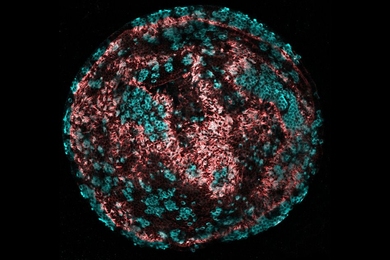
Researchers discover a drug combination that can regenerate hair cells in the inner ear.
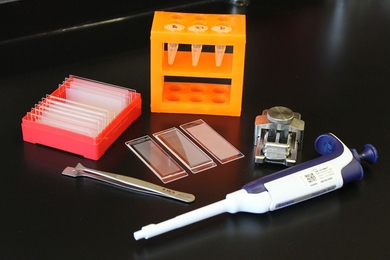
Portable tool could help scientists learn more about cells’ roles in many diseases.

New members have made advances in artificial skin, wireless communications, nanotechnology, hydrology, and cancer treatment.
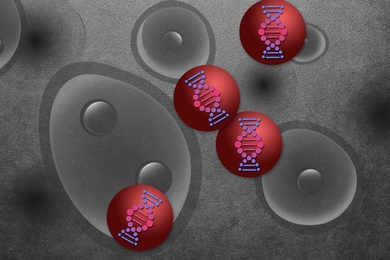
New test helps identify particles for gene delivery or RNA interference.

New technology could help neuroscientists understand how dopamine influences brain activity.
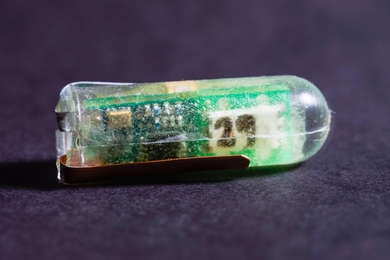
Ingestible electronic devices could monitor physiological conditions or deliver drugs.
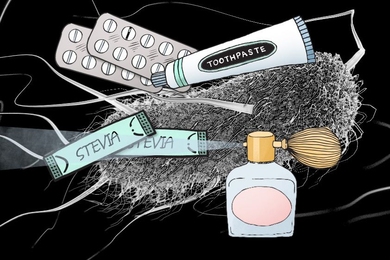
Engineered bacteria produce rare and commercially useful compounds in large quantities.
Jesse Kroll examines how pollutants change chemically as they waft around the globe.
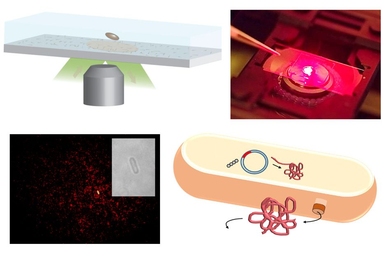
Modified carbon nanotubes could be used to track protein production by individual cells.
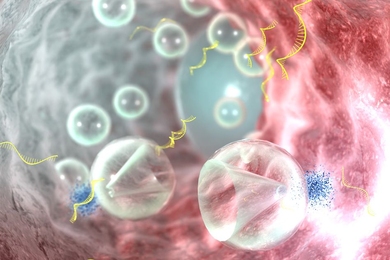
Technique enables rapid delivery of RNA to treat colon inflammation.


MITEI faculty affiliates to contribute clean energy expertise to national coalition that will address manufacturing challenges in energy-intensive processing industries.