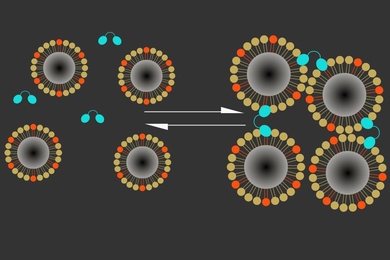
Calcium-based MRI sensor enables more sensitive brain imaging
System detects direct signals of neural activity; could reveal patterns underlying behavior.
System detects direct signals of neural activity; could reveal patterns underlying behavior.
MIT cognitive scientist recognized for her work on the organization of the human brain.
MIT’s Committed to Caring Award selects third slate of dedicated professors.
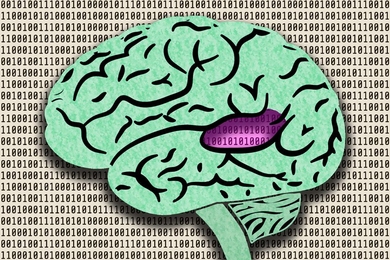
Neuroscientists train a deep neural network to analyze speech and music.
Prestigious honor society announces 213 new members this year.

MIT hosts a summit on transformative artificial intelligence technologies in biomedical sciences and health care.
Picower Institute study explains what happens when working memory reaches its full capacity.

Seven staff members honored for their outstanding contributions to the MIT community.
MIT scientist is among three recognized for the discovery of optogenetics.
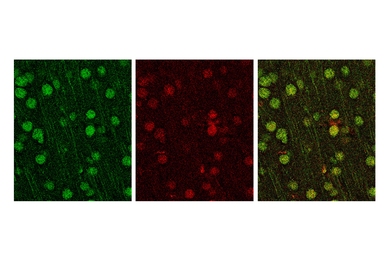
Study finds that major vault protein is needed for homeostatic plasticity.
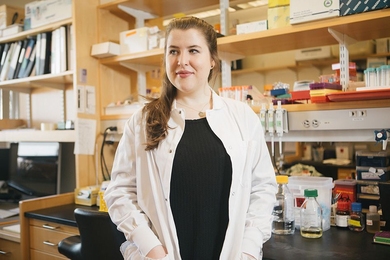
Senior Isabella Pecorari is building supportive communities at MIT and beyond.
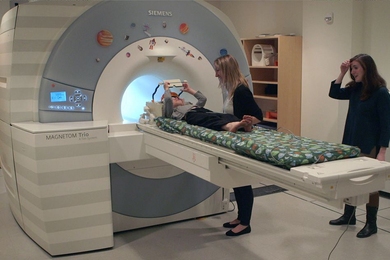
Children as young as 3 have brain network devoted to interpreting thoughts of other people.

Reach Every Reader aims to end early literacy crisis.
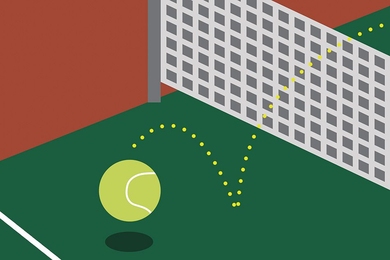
Timing and speed are both important for making accurate estimates of how an object will travel.
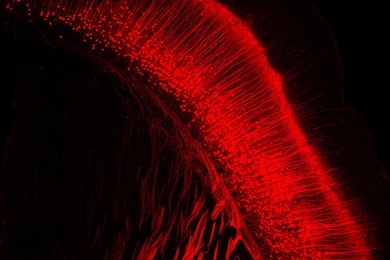
New technique is nontoxic to cells, should allow scientists to study neuron function for months or years instead of weeks.