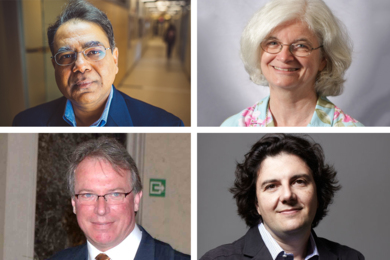
National Academy of Sciences elects four MIT professors
Chakraborty, Lynch, Ploegh, and Sabatini honored for research achievements.
Chakraborty, Lynch, Ploegh, and Sabatini honored for research achievements.

Varesh Prasad, an MIT graduate student in health sciences and technology, is creating a multidisciplinary future in health care.

Chemotherapy delivered directly to tumors may slow the disease.

Award will support the engineering of safe, frequently consumed bacteria to detect and kill dangerous bacteria such as those causing drug-resistant infections.
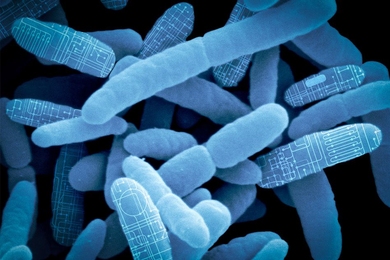
Daily doses of synthetic biotics developed by startup Synologic may sense, treat metabolic diseases.

Assistant Professor Thomas Heldt mines critical care data to support real-time clinical decision making and improve patient care.

MIT's Institute of Medical Engineering and Science is on the front lines of efforts to diagnose and develop a vaccine against the emerging Zika virus.
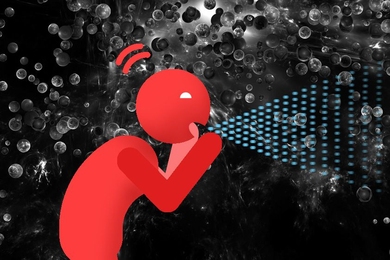
High-speed imaging shows how fluid breaks apart in air, may help identify super-spreaders.
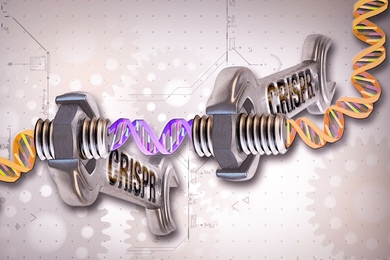
New delivery method boosts efficiency of CRISPR genome-editing system.
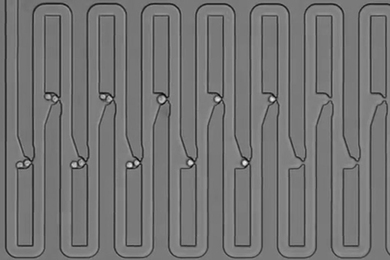
New technique allows tracking of gene expression over generations of cells as they specialize.
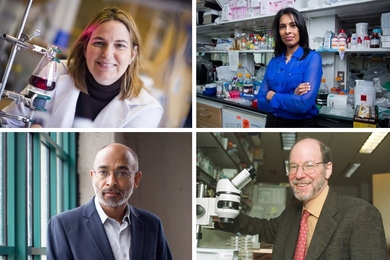
Belcher, Bhatia, Brown, and Horvitz recognized for demonstrating a prolific spirit of innovation and invention resulting in a tangible impact on society.
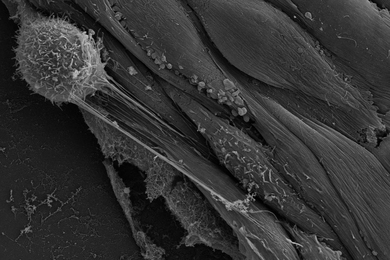
Study offers new targets for drugs that may prevent cancer from spreading.
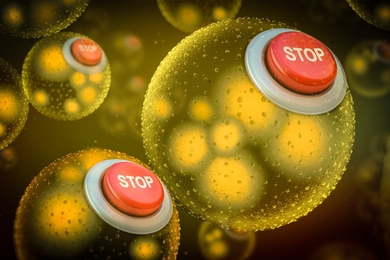
Synthetic biology technique could make it safer to put engineered microbes to work outside the lab.

Scientists exploit gene therapy to shrink tumors in mice with an aggressive form of breast cancer.
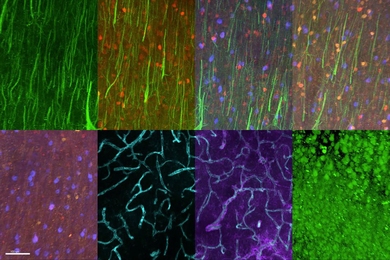
New technique could contribute to efforts to map the human brain.