Endometriosis affects more than 265 million women worldwide — 1 out of every 10 women of reproductive age, according to the United Nations — yet it remains one of the most misunderstood, under-researched, and chronically stigmatized conditions in modern medicine.
A new documentary, “End of the Cycle,” presented by The Endometriosis Collective, is changing that conversation about this painful disease, one powerful story at a time.
Directed by Sammy Jaye and Soraya Simi, the film weaves together intimate personal narratives, cutting-edge science, historical revelations, and cultural commentary to challenge decades of misconceptions. The result is both deeply personal and urgently scientific, sending out a clarion call for research investment, medical accountability, and systemic change.
The film features a talented ensemble of women living with endometriosis — comedian Amy Schumer, U.S. Olympian Brittany Brown, actress Janel Parrish, actress and musician Fọlákẹ́ Olówòfóyèkù, dancer Julianne Hough, and influencer and filmmaker Sammy Jaye Lang. When asked to describe endometriosis in three words, their responses cut to the heart of the condition: “agony, isolation, harmful.”
The film also profiles 20th century icon Marilyn Monroe, who struggled with endometriosis until her death in 1962 at age 36.
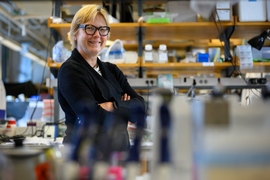
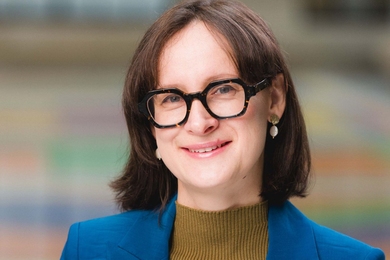
But “End of the Cycle” goes beyond depicting suffering; it also depicts action, resilience, and hope. Alongside patient stories, the film features leading researchers and clinicians, including MIT Professor Linda Griffith, director of the Center for Gynepathology Research at MIT. Griffith brings both her pioneering scientific expertise and her personal journey living with endometriosis — a perspective that has shaped her life’s work.
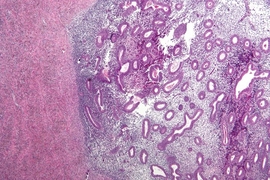
“There’s a fair degree of consensus about the definition of endometriosis,” Griffith explains in the film, “but we need to understand the basic process of how normal tissue is regulated so that we can understand the diseased tissue better. That’s my goal.”
Today, her research at MIT is pioneering new approaches to understanding and treating endometriosis. “Only by working together across all our disciplines and putting all our talents in all the different places they are needed, we will find answers, treatments, cures, and even prevention,” Griffith says.
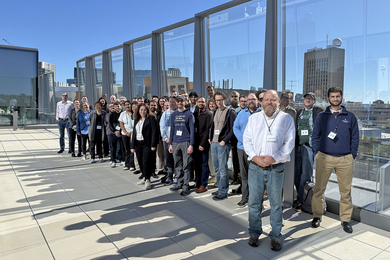
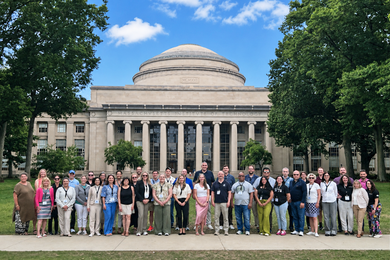
On Sept. 30, more than 250 members of the MIT community gathered alongside industry partners, clinicians, patient advocates, and endometriosis researchers to mark Menstruation Science Day at MIT, centered around a screening of “End of the Cycle.” The event brought together students, faculty, donors, entrepreneurs, and leaders in women’s health for a single purpose: to challenge misconceptions about endometriosis and to catalyze the next wave of research, innovation, and care.
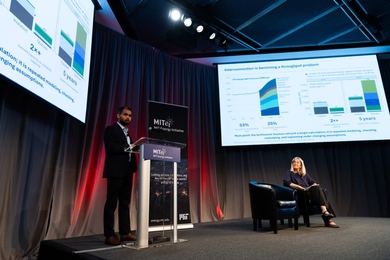
Griffith moderated an expert panel that followed. The panelists — Sammy Jaye Lang, filmmaker with the Endometriosis Collective; Steve Palmer, senior communications associate at Baylor College of Medicine; Eliezer Calo, associate professor of biology at MIT; Stephanie Morris, an obstetrician-gynecologist at Newton-Wellesley Hospital; and Aleshia Carlsen-Bryan, associate director of prehealth advising at MIT Health — offered multiple perspectives on where women’s health innovation stands and what it will take to accelerate progress.
Video by Sammy Jaye and Soraya Simi | 1 hour, 21 minutes