Charting a path to better cell models of the intestine
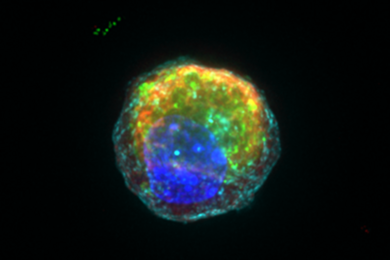
Researchers generate an intestinal cell mimic that can be harnessed in studies of diseases such as inflammatory bowel disease.
Researchers generate an intestinal cell mimic that can be harnessed in studies of diseases such as inflammatory bowel disease.

Whitehead Institute researchers uncover framework for how stem cells determine where to form replacement structures.
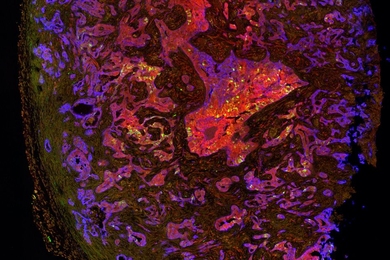
Blocking the transition to a more aggressive state could offer a new treatment strategy.
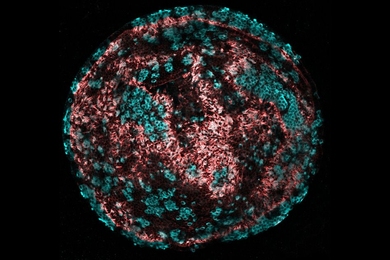
Researchers discover a drug combination that can regenerate hair cells in the inner ear.

Study ties high-fat diet to changes in intestinal stem cells, may help explain increased cancer risk.
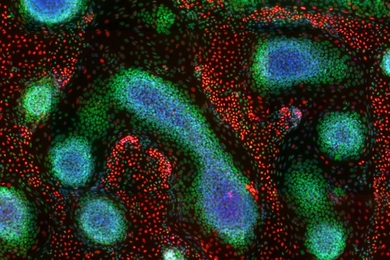
In a step toward personalized drug testing, researchers coax human stem cells to form complex tissues.
Laurie Boyer’s studies of stem cell differentiation could improve treatments for heart disease.

MIT biological engineering graduate student Frances Liu is studying ways to alter mechanical properties of cell environments to produce desired chemical outputs.
MIT associate professor brings a materials scientist's understanding to biochemical behavior in stem cells and organ tissue.
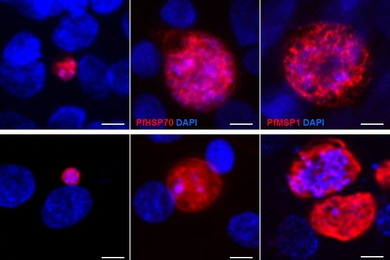
Liver cells derived from stem cells can be infected with malaria and used to test potential drugs.
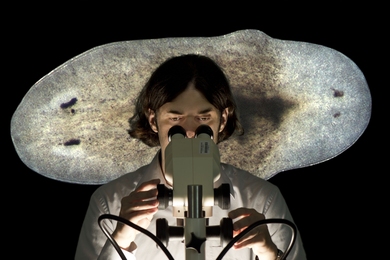
Peter Reddien believes human stem cells could one day be regulated to replace aged, damaged, and missing tissues.
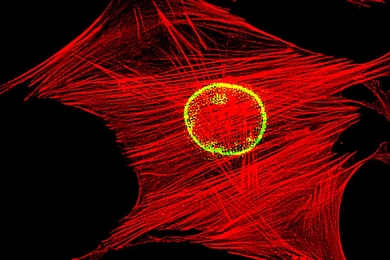
New technique allows scientists to identify populations of rare stem cells in bone marrow.
Studying these cells could lead to new treatments for diseases ranging from gastrointestinal disease to diabetes.

McGovern Institute for Brain Research names Thomas Jessell winner of the 2013 Edward M. Scolnick Prize in Neuroscience.