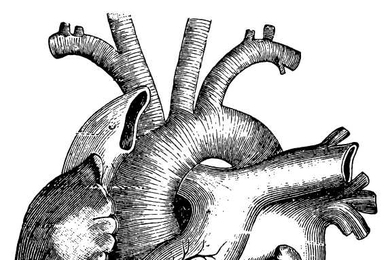
Cardiac development needs more than protein-coding genes
Biologists find that long non-coding RNA molecules are necessary to regulate differentiation of embryonic stem cells into cardiac cells.
Biologists find that long non-coding RNA molecules are necessary to regulate differentiation of embryonic stem cells into cardiac cells.
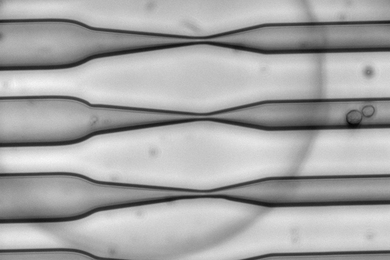
By deforming cells, researchers can deliver RNA, proteins and nanoparticles for many applications.

New design technique could enable personalized medicine, studies of brain wiring.
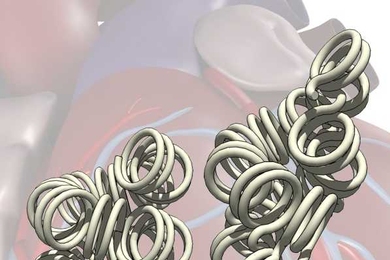
New study of stem cell differentiation could help researchers better understand the genetic basis of heart disease.
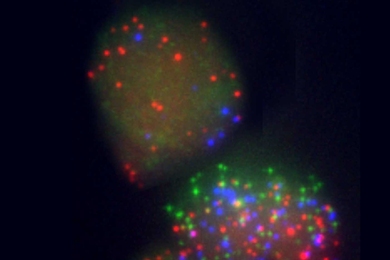
Biologists reveal genes key to development of pluripotency, in single cells.
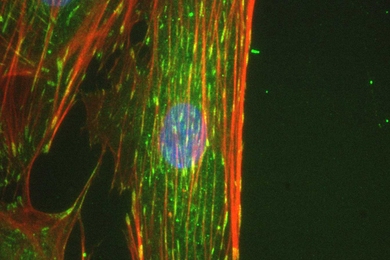
Making proteins stand in line could lead to more lifelike lab tests.
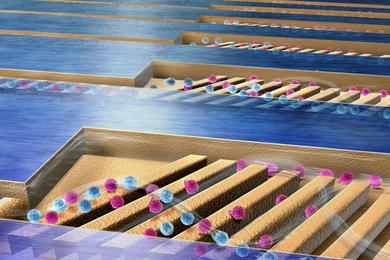

By creating liver-like cells, scientists can study why people respond differently to the disease.

Honored for work on gene expression, stem cells.

In Killian Award lecture, Rudolf Jaenisch outlines progress and possibilities for treating human disease with stem cells.
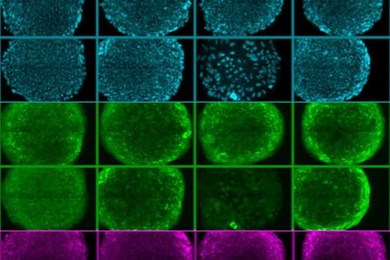
New synthetic surfaces overcome challenges posed by existing methods for cultivating stem cells.
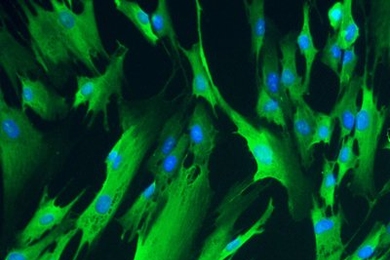
New technique holds promise to revert cells to an immature state that can develop into any cell type.