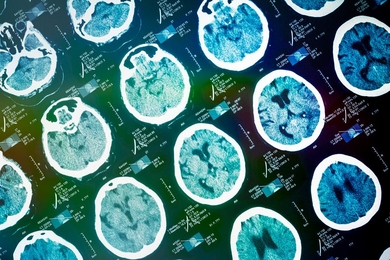
Predicting change in the Alzheimer’s brain
Combining MRI and other data helps machine-learning systems predict effects of neurodegenerative disease.
Combining MRI and other data helps machine-learning systems predict effects of neurodegenerative disease.

Like biological channels, graphene pores are selective for certain types of ions.

Agreement will support a number of joint research projects, seminars, lectures, and other programming.
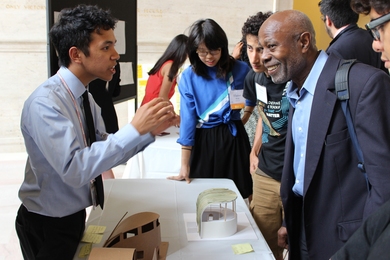
MITES 40th Anniversary Kickoff Weekend launches yearlong celebration of MIT program for high school students.
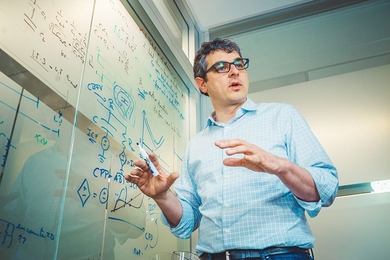
MIT researchers team up with Boston Medical Center and Philips to test a noninvasive way to measure intracranial pressure.
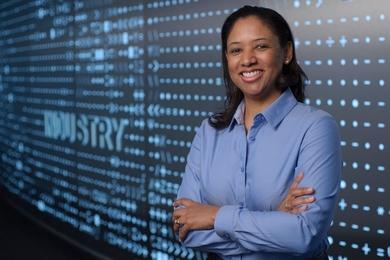
Kristala Jones Prather engineers microbes to produce compounds that can be used in industrial processes efficiently and economically.
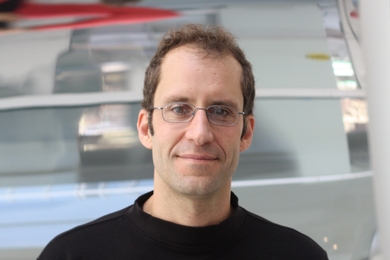
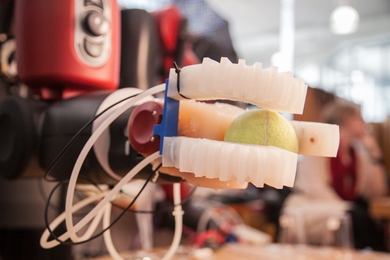
Team from Computer Science and Artificial Intelligence Lab develops silicone rubber gripper and advanced object-identification algorithms.
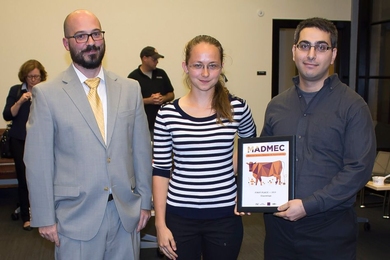
Team wins $10,000 at annual competition for invention inspired by butterfly wings.

Translational Fellows Program deadline for applications is Sept. 30.
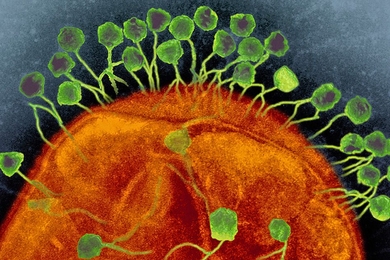
CRISPR-Cpf1 offers simpler approach to editing DNA; technology could disrupt scientific and commercial landscape.
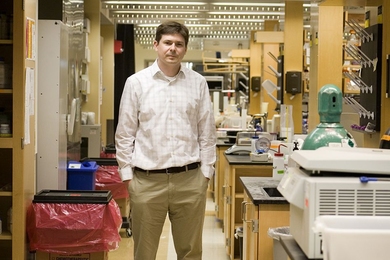
With a new DARPA contract, biological engineer Christopher Voigt aims to harness the power of living cells.

System learns to play text-based computer game using only linguistic information.