
Top tweets of 2015
Best posts of the year on @MIT highlight our new humanoid robot, MIT women in engineering, an optics lesson for #TheDress, and more.
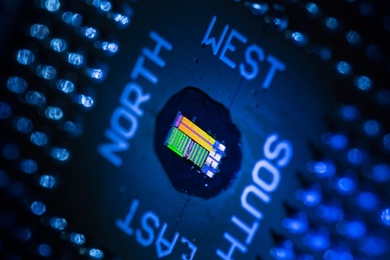
Optoelectronic microprocessors built using existing chip manufacturing
High-performance prototype means chipmakers could now start building optoelectronic chips.

Are you a “harbinger of failure”?
Study: Some consumers have an unerring knack for buying unpopular products.
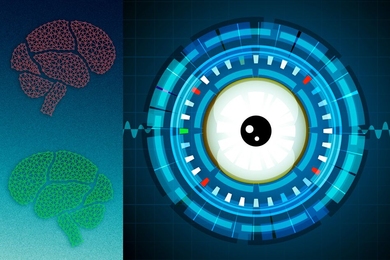
Machines that learn like people
Algorithms could learn to recognize objects from a few examples, not millions; may better model human cognition.
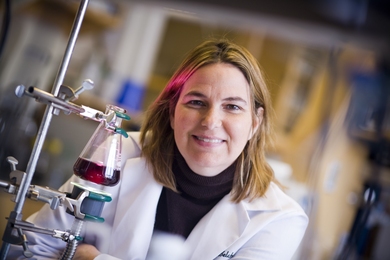
Solar energy from discarded car batteries
An MIT development could benefit both the environment and human health.

MIT researchers author U.S. chapter of UNESCO Science Report
Stacy Springs and Shannon Stewart identify trends related to U.S. research and development funding and policy.
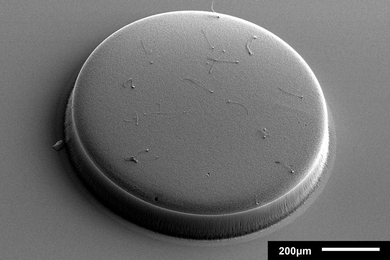
New device uses carbon nanotubes to snag molecules
Nanotube “forest” in a microfluidic channel may help detect rare proteins and viruses.
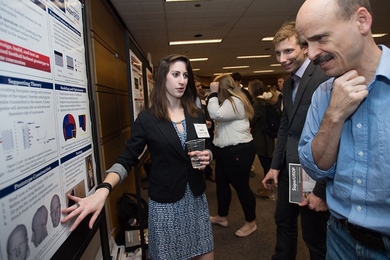
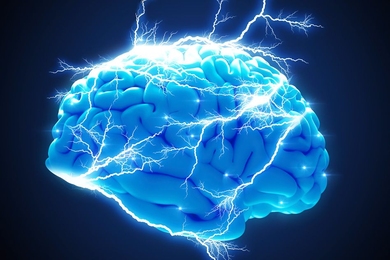
Stimulus plan?
Interest is growing in brain stimulation devices — and regulating them may prove tricky.
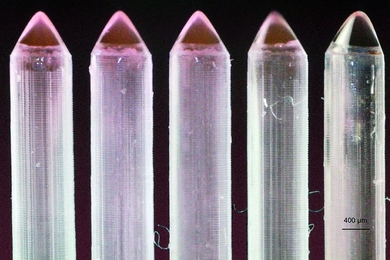
Nanodevices at one-hundredth the cost
New techniques for building microelectromechanical systems show promise.

Sharing best practices for getting published in science
Panel at MIT brings together editors, students, and faculty to discuss diverse aspects of publishing research.
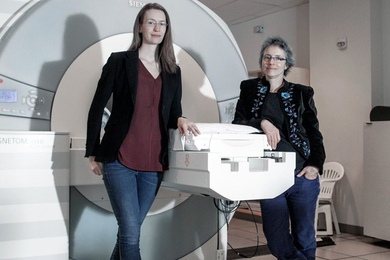
Study finds altered brain chemistry in people with autism
Neuroscientists link autism to reduced activity of key neurotransmitter in human brain.

How socioeconomic status impacts online learning
Is online learning truly opening as many doors as anticipated?

Music in the brain
For the first time, scientists identify a neural population highly selective for music.