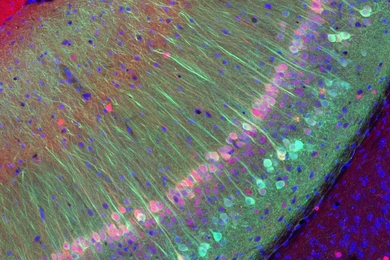
Scientists identify neurons devoted to social memory
Cells in the hippocampus store memories of acquaintances, a new study reports.
Cells in the hippocampus store memories of acquaintances, a new study reports.
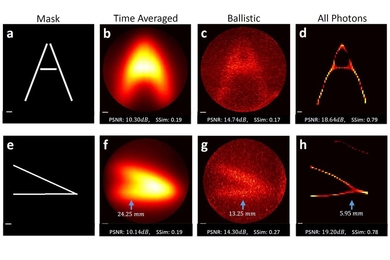
System accounts for the deflection of light particles passing through animal tissue or fog.
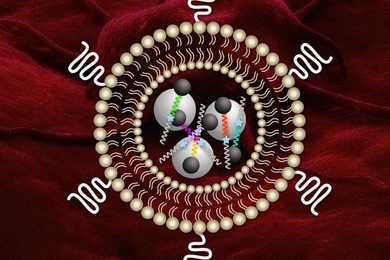
Measuring enzyme levels could help doctors select appropriate treatments.

Better simulations of internal tides may benefit sonar communications, protect offshore structures, and more.
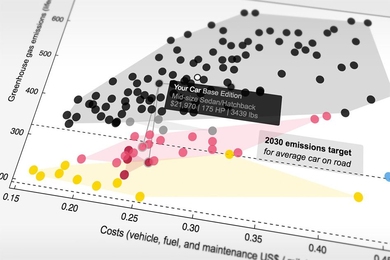
Detailed look at 125 U.S. auto models finds those emitting less carbon are the least expensive to drive.
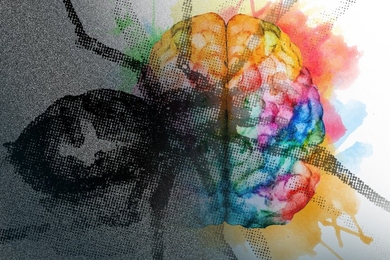
Study suggests path to prolonging treatment effectiveness for phobias or post-traumatic stress disorder.

Nuclear science and engineering PhD student Jayson Vavrek applies particle physics to solve problems with nuclear weapons disarmament.

“Electome” project charts the national conversation in unique detail.
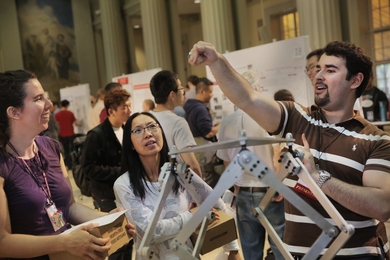
Butterflies, Legos, and robotic insects — oh, my! MechE grad students showcase their latest projects.
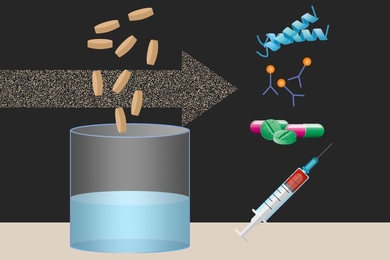
Freeze-dried cellular components can be rehydrated to churn out useful proteins.
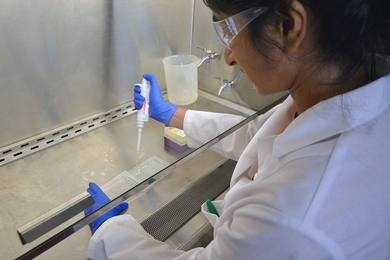
Study reveals closely related microbes can diversify rapidly via horizontal gene transfer.

Computer system could help identify subtle speech, language disorders in time for early intervention.

New version of breakthrough memory management scheme better accommodates commercial chips.

In open letter, 375 National Academy of Sciences members warn against opting out of Paris Agreement.
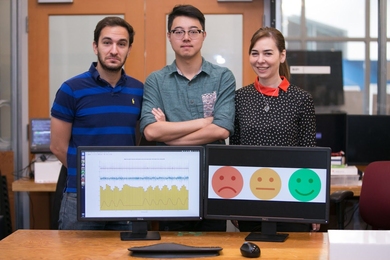
Measuring your heartbeat and breath, CSAIL device can tell if you’re excited, happy, angry, or sad.