
Measuring exposure to pollution
Mobile-phone data helps researchers study an urban problem in greater detail.
Mobile-phone data helps researchers study an urban problem in greater detail.
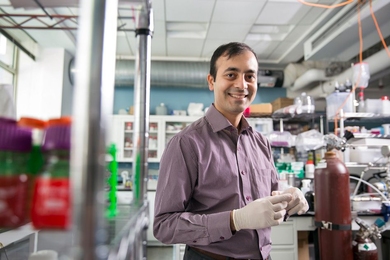
Engineer’s designs may help purify water, diagnose disease in remote regions of world.
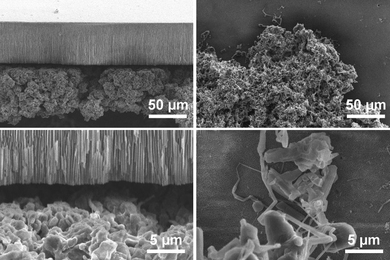
Branchlike deposits grow on lithium electrode surfaces in two ways, one much more damaging.

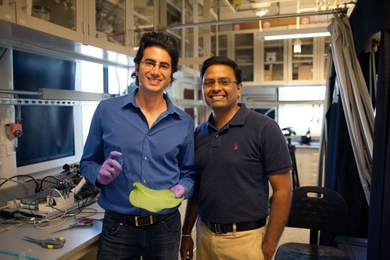
MIT researchers find a way to make pesticides stick to leaves instead of bouncing off.

Big-data analysis could give city planners timelier, more accurate alternatives to commuter surveys.

Simple equation predicts force needed to push objects through granular and pasty materials.
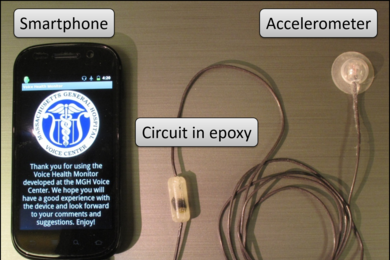
By detecting signs of vocal misuse, system from CSAIL and Mass General could eventually be used to help diagnose voice disorders.

Exposed in step-like formation, layers of new photovoltaic cell harvest more of sun’s energy.

Study shows long-lasting health, economic impacts of lead emissions from U.S. general aviation flights.
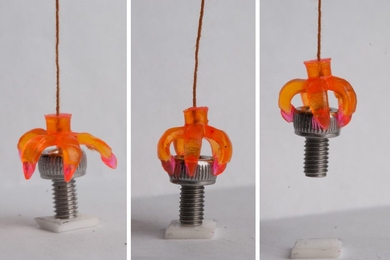
Heat-responsive materials may aid in controlled drug delivery and solar panel tracking.
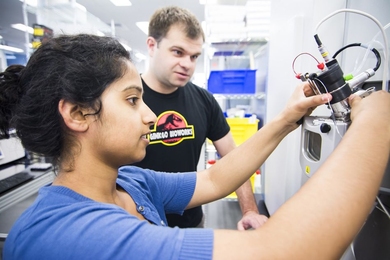
Startup’s engineered yeast helps clients produce fragrances and flavors more efficiently.

New technique offers precise manipulation of when and where genes are targeted.

Species relationships devolve from jointly beneficial to competitive in benign environments.

Using electricity rather than heat can reduce both energy costs and greenhouse gas emissions.