

Provider, improve thyself
Study shows unlicensed health care practitioners in India improve with modest training.
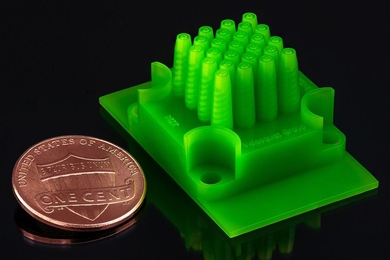
Manufacturing microspheres
Technique mass-produces uniform, encapsulated particles for pharmaceuticals, many other uses.

MIT shares $75 million grant to fight heart disease
One Brave Idea Research Award will support the search for new biomarkers and treatments.

Monitoring Parkinson’s symptoms at home
Keyboard-monitoring technique can detect motor difficulties as patients type.
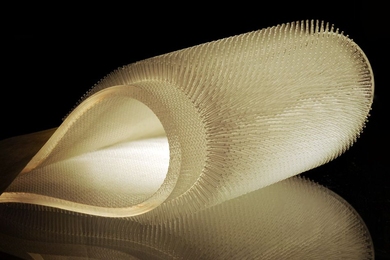

Even if the Paris Agreement is implemented, food and water supplies remain at risk
Report projects impacts of 2015 Paris climate agreement, identifies emissions paths/technology advances needed to limit global warming to 2 degrees Celsius.

Changing the face of conservatism in the U.S.
New book by professor Heather Hendershot explores impact of William F. Buckley’s “Firing Line.”
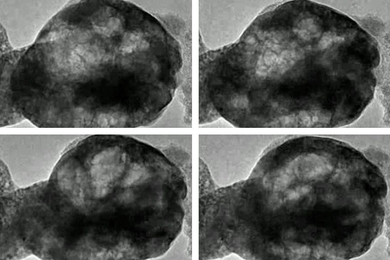
Water vapor sets some oxides aflutter
Newly discovered phenomenon could affect materials in batteries and water-splitting devices.
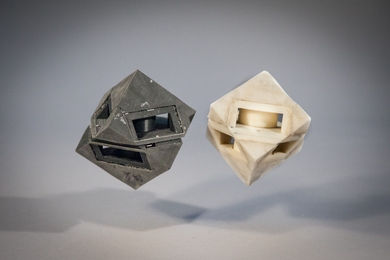
3-D-printed robots with shock-absorbing skins
By “programming” customized soft materials, CSAIL team can 3-D print safer, nimbler, more durable robots.
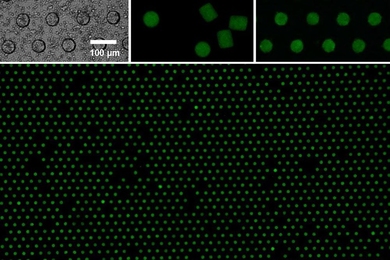
A better way to assay
New design of large-scale microparticle arrays can make materials science and bioengineering applications more scalable, precise, and versatile.

Making smarter decisions about classroom technologies
MIT researchers develop a decision-making tool for global classrooms looking to deploy educational technologies.
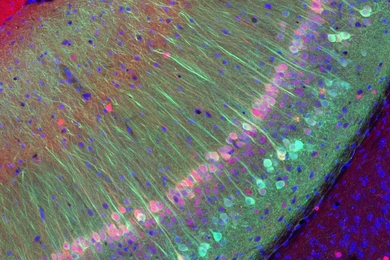
Scientists identify neurons devoted to social memory
Cells in the hippocampus store memories of acquaintances, a new study reports.
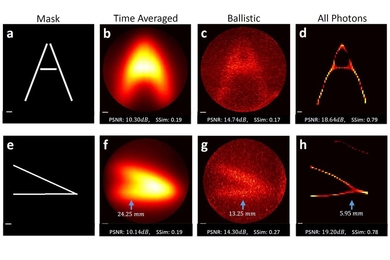
Toward visible-light-based imaging for medical devices, autonomous vehicles
System accounts for the deflection of light particles passing through animal tissue or fog.
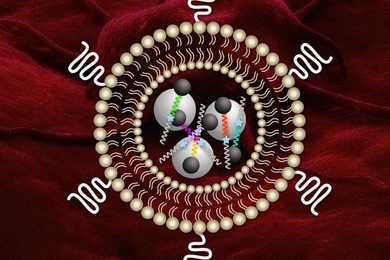
Nanosensors could help determine tumors’ ability to remodel tissue
Measuring enzyme levels could help doctors select appropriate treatments.