
Even if the Paris Agreement is implemented, food and water supplies remain at risk
Report projects impacts of 2015 Paris climate agreement, identifies emissions paths/technology advances needed to limit global warming to 2 degrees Celsius.
Report projects impacts of 2015 Paris climate agreement, identifies emissions paths/technology advances needed to limit global warming to 2 degrees Celsius.

New book by professor Heather Hendershot explores impact of William F. Buckley’s “Firing Line.”
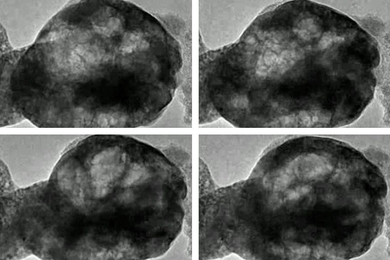
Newly discovered phenomenon could affect materials in batteries and water-splitting devices.
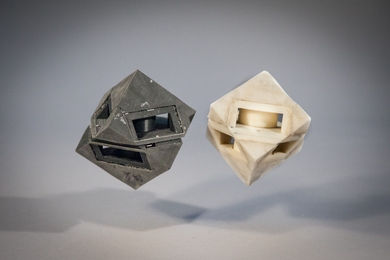
By “programming” customized soft materials, CSAIL team can 3-D print safer, nimbler, more durable robots.
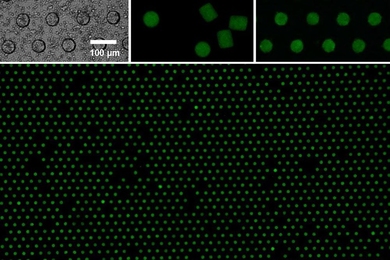
New design of large-scale microparticle arrays can make materials science and bioengineering applications more scalable, precise, and versatile.
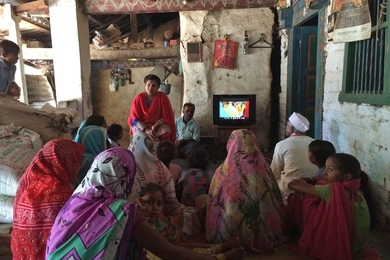
MIT researchers develop a decision-making tool for global classrooms looking to deploy educational technologies.
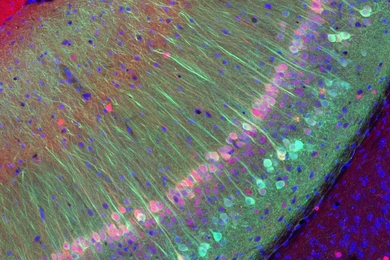
Cells in the hippocampus store memories of acquaintances, a new study reports.
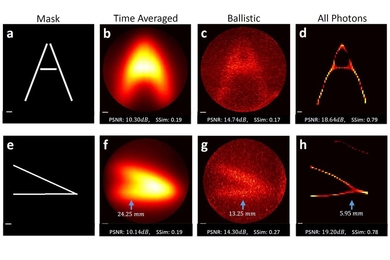
System accounts for the deflection of light particles passing through animal tissue or fog.
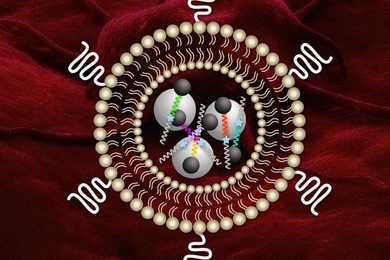
Measuring enzyme levels could help doctors select appropriate treatments.

Better simulations of internal tides may benefit sonar communications, protect offshore structures, and more.
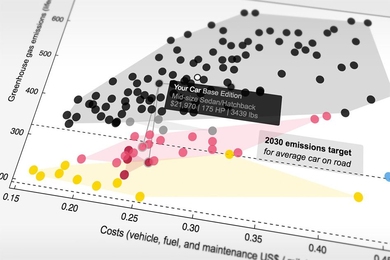
Detailed look at 125 U.S. auto models finds those emitting less carbon are the least expensive to drive.
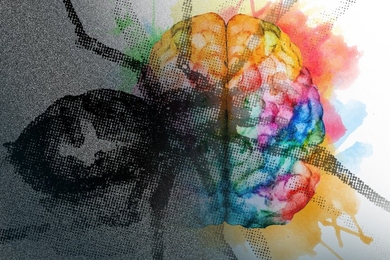
Study suggests path to prolonging treatment effectiveness for phobias or post-traumatic stress disorder.
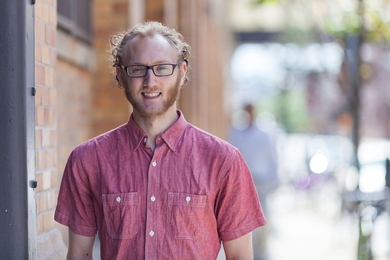
Nuclear science and engineering PhD student Jayson Vavrek applies particle physics to solve problems with nuclear weapons disarmament.

“Electome” project charts the national conversation in unique detail.
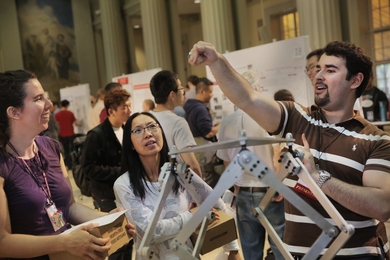
Butterflies, Legos, and robotic insects — oh, my! MechE grad students showcase their latest projects.