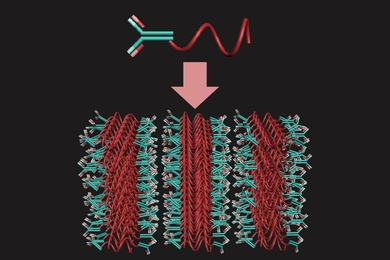
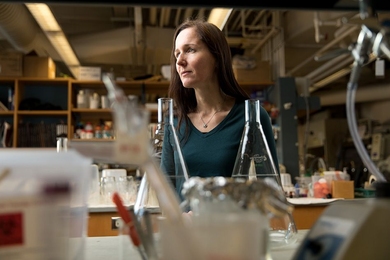
Exploring the tug-of-war over metals during infection
Chemist Elizabeth Nolan studies the battle between microbes and hosts for essential metals.
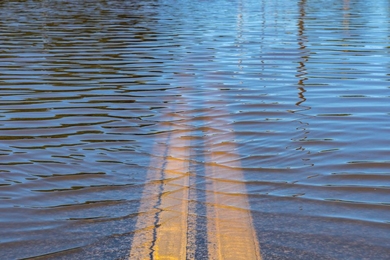
Study finds more extreme storms ahead for California
New technique predicts frequency of heavy precipitation with global warming.

Hyperprecise measurement with Bose-Einstein condensates
New atom interferometer could measure inertial forces with record-setting accuracy.
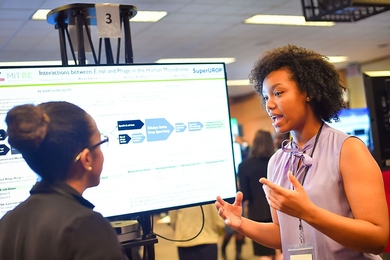
Bots, bit flips, and catching the bus
Engineering undergrads showcase their research after one semester of yearlong SuperUROP projects.
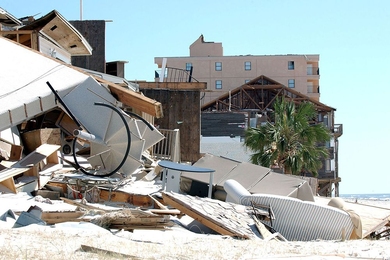
New approach calculates benefits of building hazard-resistant structures
Calculation developed by MIT Concrete Sustainability Hub shows that when building in areas prone to natural disasters, it pays to make informed decisions.
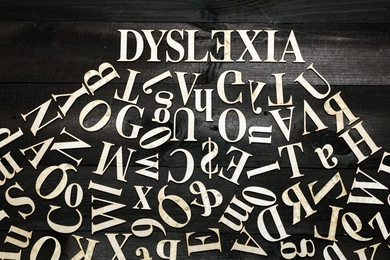
Distinctive brain pattern may underlie dyslexia
Study suggests reduced plasticity could account for reading difficulties.
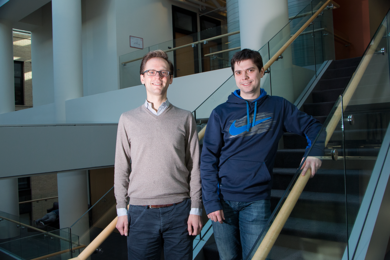
Majorana fermions predicted in a superconducting material
MIT researchers propose a new method for verifying the existence of a theoretical quasiparticle.
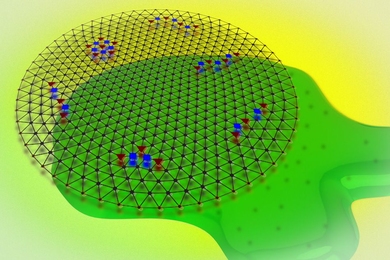
Scientists detect a quantum crystal of electrons and “watch” it melt
New observations confirm an 80-year-old quantum theory.
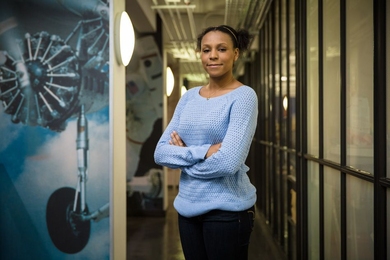
Growing a network of role models
Senior Marlyse Reeves is building a supportive community of women in aerospace engineering.
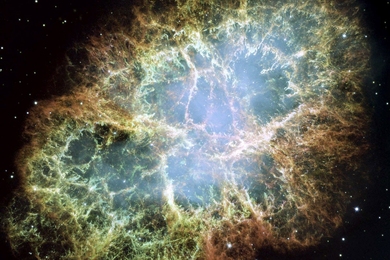
Chikang Li brings the Crab Nebula to the lab
Plasma Science and Fusion Center researcher figures out the kink in the crab.
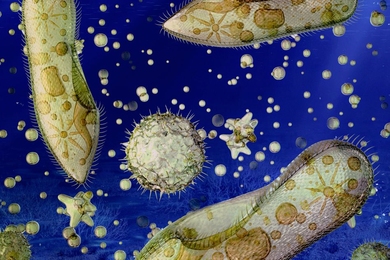
New study sets oxygen-breathing limit for ocean’s hardiest organisms
Bacteria can survive in marine environments that are almost completely starved of oxygen.
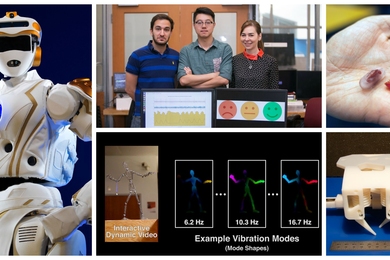
Ingestible robots, glasses-free 3-D, and computers that explain themselves
A look at 16 of the coolest things that happened at the Computer Science and Artificial Intelligence Laboratory in 2016.
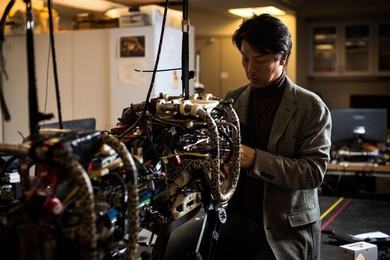
Taking a leap in bioinspired robotics
Mechanical engineer Sangbae Kim builds animal-like machines for use in disaster response.

Movable microplatform floats on a sea of droplets
New technique offers precise, durable control over tiny mirrors or stages.