MIT Campaign for a Better World ends FY17 with $3.6 billion
The Institute finished the fiscal year with $589 million in new gifts and pledges, MIT’s largest annual fundraising total to date.
The Institute finished the fiscal year with $589 million in new gifts and pledges, MIT’s largest annual fundraising total to date.
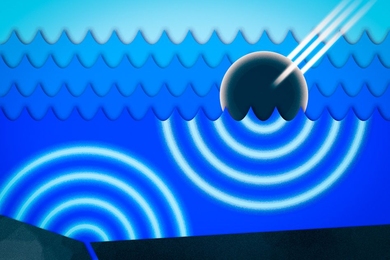
New acoustic analysis could pinpoint impacts by meteorites or possibly plane debris.

Team of professional and citizen scientists identifies tails of comets streaking past a distant star.
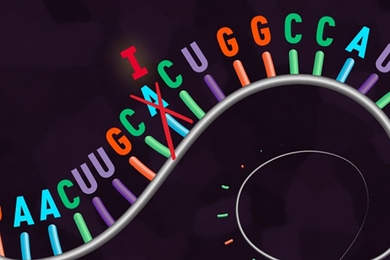
“REPAIR” system edits RNA, rather than DNA; has potential to treat diseases without permanently affecting the genome.
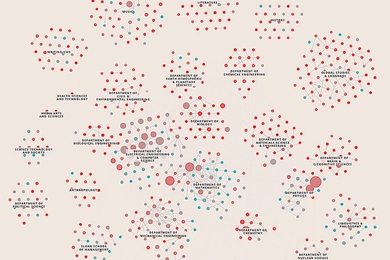
Data visualization map explores two decades of enrollment trends among female students at the Institute.
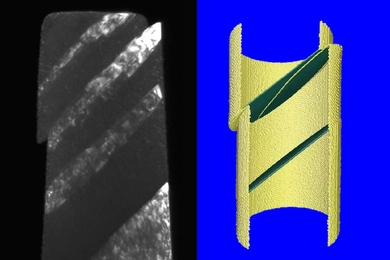
Materials with a special kind of boundary between crystal grains can deform in unexpected ways.

Adding bits of irradiated plastic water bottles could cut cement industry’s carbon emissions.

Study finds good feelings from one negotiation can damage subsequent performance.
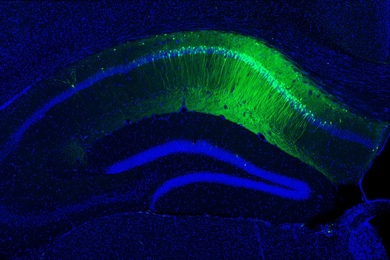
Existence of “silent engrams” suggests that existing models of memory formation should be revised.

Ultrathin films of a semiconductor that emits and detects light can be stacked on top of silicon wafers.
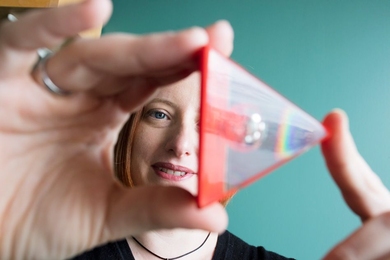
Atmospheric chemist takes on pollutants and the global treaties written to control them.

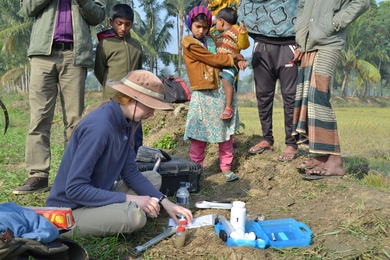
MIT field study shows that arsenic in groundwater reduces rice yields in Bangladesh.
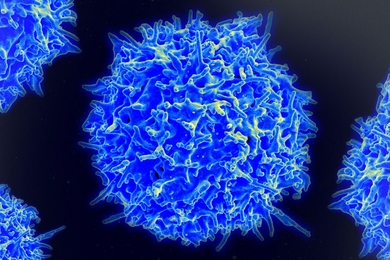
Advance may open new pathways for cancer immunotherapy.

Before assigning responsibility, our minds simulate alternative outcomes, study shows.