
With buildings and infrastructure, it pays to take a life-cycle perspective
Concrete Sustainability Hub research shows life-cycle thinking has long-term environmental and economic payoffs.
Concrete Sustainability Hub research shows life-cycle thinking has long-term environmental and economic payoffs.

Technique could prevent overheating of laptops, mobile phones, and other electronics.
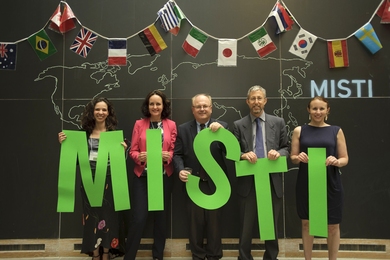
MIT International Science and Technology Initiatives grant program awards more than $15 million in 10 years.

Machine-learning system uses physics principles to augment data from NASA crowdsourcing project.
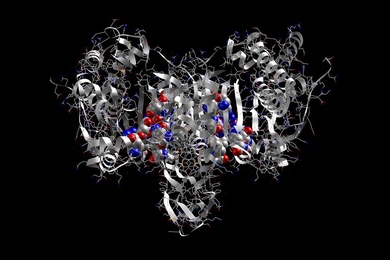
New discovery suggests that all life may share a common design principle.
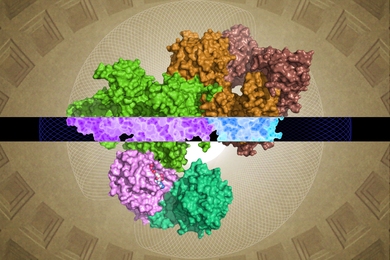
Researchers identify the molecular structure of the GATOR1 protein complex, which regulates growth signals in human cells, using cryo-electron microscopy.

Study finds lateral variations in composition at a key depth below the island hotspot, provides scientists a new understanding of mantle mixing.
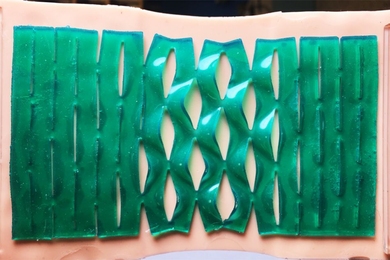
Cutting kirigami-style slits in stretchy films could make for bandages, heat pads, and wearable electronics that adhere to flexible surfaces.

Data could shed light on why the universe has more matter than antimatter.
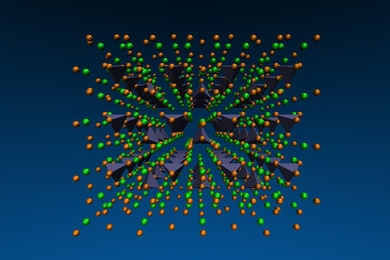
Design principles could point to better electrolytes for next-generation lithium batteries.
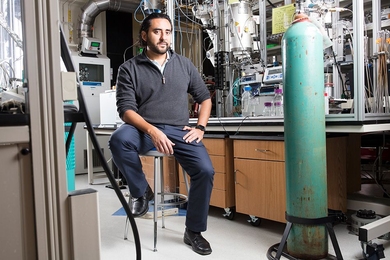
MIT professor devises new ways to generate useful chemicals and fuels from renewable resources.

Activating proteins linked to longevity may help to increase endurance and combat frailty in the elderly.
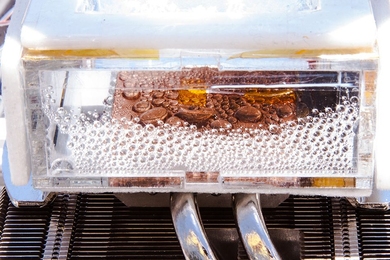
MIT-developed system could provide drinking water even in extremely arid locations.

Poor health is a less common cause of bankruptcy than commonly thought, but it brings other economic woes, study finds.

Made of silicone rubber, CSAIL’s “SoFi” could enable a closer study of aquatic life.