
Stress can lead to risky decisions
Neuroscientists find chronic stress skews decisions toward higher-risk options.
Neuroscientists find chronic stress skews decisions toward higher-risk options.
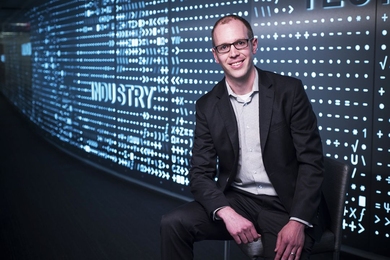
Department of Chemical Engineering Professor Zachary Smith is working on new polymeric membranes that can greatly reduce energy use in chemical separations.
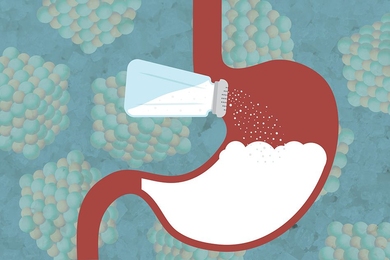
Strain of intestinal bacteria can stop a high-salt diet from inducing inflammatory response linked to hypertension.


Study of solar pump technology use in India assesses technical performance and explores innovative business cases to increase user adoption.
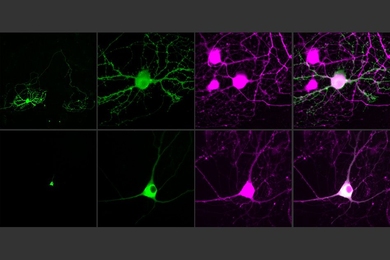
Focused laser beam could help scientists map connections among neurons that underlie behavior.

Study finds state’s annual risk of extreme rainfall will rise from 1 to 18 percent.
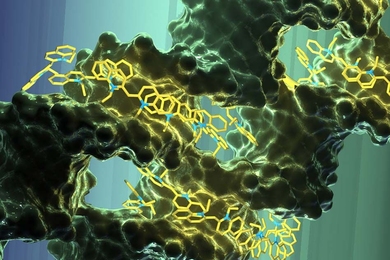
Novel structures made with DNA scaffolds could be used to create solar-powered materials.
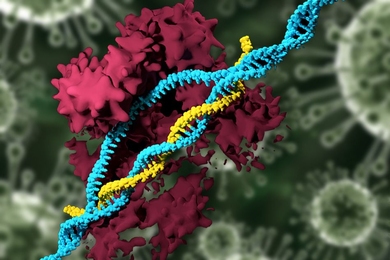
New delivery system developed by MIT team deletes disease-causing genes and reduces cholesterol.
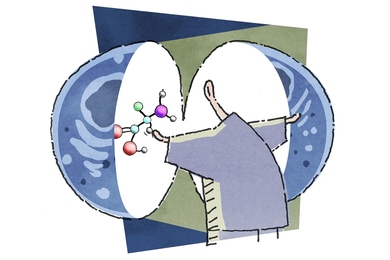
Researchers have identified a key nutrient sensor in the mTOR pathway that links nutrient availability to cell growth.

Reconstituted silk can be several times stronger than the natural fiber and made in different forms.
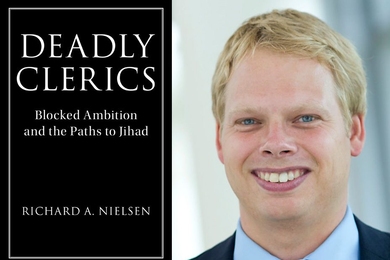
In his new book, political scientist Richard Nielsen proposes a “blocked ambition” hypothesis.

New framework guarantees stability of microgrids that supply local power in developing countries.
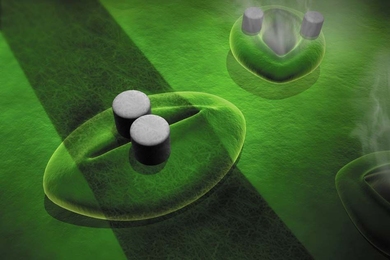
Electronic circuits reveal when a plant begins to experience drought conditions.
Condensation-based method developed at MIT could create stable nanoscale emulsions.