
How to improve critical hurricane-related supply chains
MIT Humanitarian Supply Chain Lab reports on supply chains in effect after hurricanes hit, and how they might be better managed.
MIT Humanitarian Supply Chain Lab reports on supply chains in effect after hurricanes hit, and how they might be better managed.
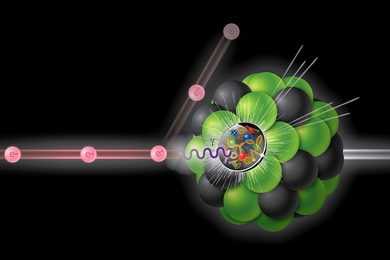
Proposal for powerful particle collider gets National Academies’ go-ahead.
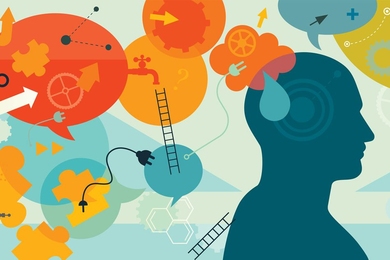
Personalized machine-learning models capture subtle variations in facial expressions to better gauge how we feel.

Doctoral student Parrish Bergquist investigates how politics affects environmental decision-making.
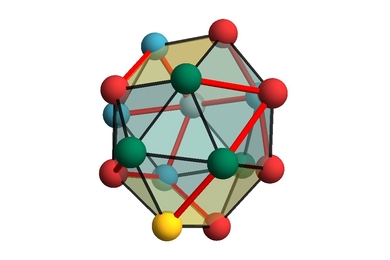
Joint research from MIT and Princeton shows the mathematics behind biological cell positioning.
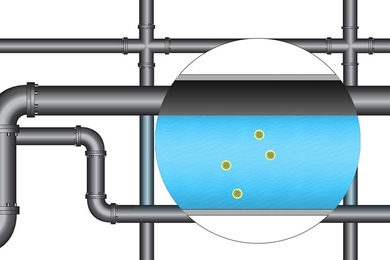
Made of electronic circuits coupled to minute particles, the devices could flow through intestines or pipelines to detect problems.
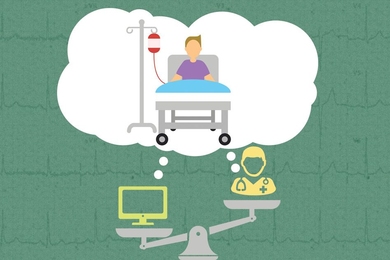
Computer scientists find that physicians’ “gut feelings” influence how many tests they order for patients.
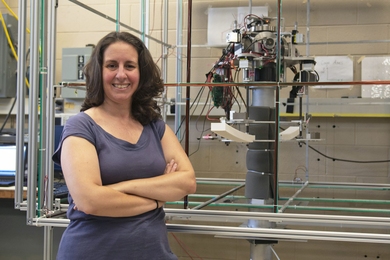
Mechanical engineer and instrument scientist on NASA's OSIRIS-REx mission is the first female principal research scientist in the department's history.

Six brain regions participate in a more blended way than has been appreciated.
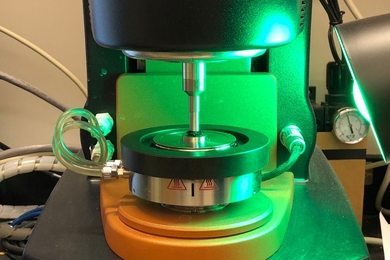
New material reversibly changes its structure in response to different wavelengths of light.
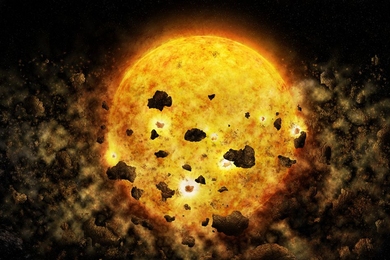
New data may explain star’s mysterious dimming.

Results may help identify ancient climates on Earth or other planets.

Guide developed by J-PAL aims to improve women’s and girls’ empowerment worldwide and reduce bias and other gender-based inequalities.
Associate professor of chemical engineering talks about the future of biochemistry and the next generation of scientists and engineers.

Most thorough test to date finds no Lorentz violation in high-energy neutrinos.