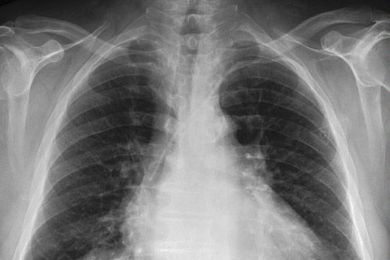
MIMIC Chest X-Ray database to provide researchers access to over 350,000 patient radiographs
A new database of images could pave a path for algorithmic models that ensure accurate diagnoses of conditions like pneumonia.
A new database of images could pave a path for algorithmic models that ensure accurate diagnoses of conditions like pneumonia.

Researchers pinpoint the “neurons” in machine-learning systems that capture specific linguistic features during language-processing tasks.
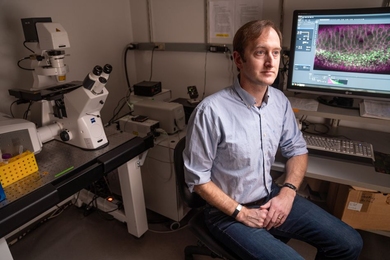
The dynamic process is critical to embryonic development and other cellular phenomena.
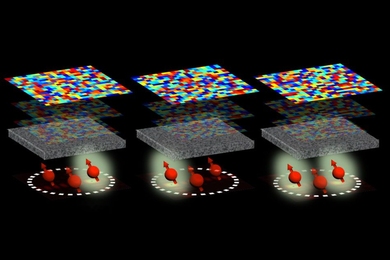
Approach developed by MIT engineers surmounts longstanding problem of light scattering within biological tissue and other complex materials.
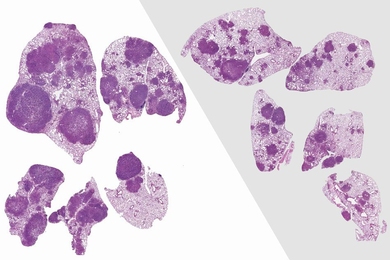
Antibiotics or anti-inflammatory drugs may help combat lung cancer.

Undergraduate researchers discussed their projects at a well-attended poster session.

Low-cost sensors on Hawaii's Kilauea volcano provide an educational resource and give insight into air quality across Big Island.
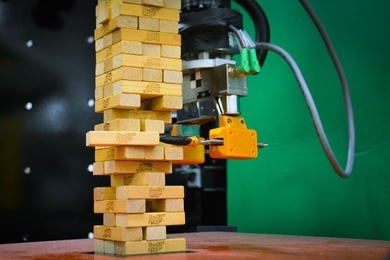
Machine-learning approach could help robots assemble cellphones and other small parts in a manufacturing line.
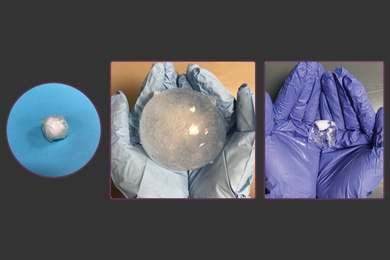
Soft, squishy device could potentially track ulcers, cancers, and other GI conditions over the long term.

Algorithm could help autonomous underwater vehicles explore risky but scientifically-rewarding environments.

NASA’s OSIRIS-REx sample-return spacecraft, carrying MIT instrument, arrived at asteroid in December; now begins the science to select a sampling location.

An algorithm that teaches robot agents how to exchange advice to complete a task helps them learn faster.

Study shows audience judgments can identify online misinformation.
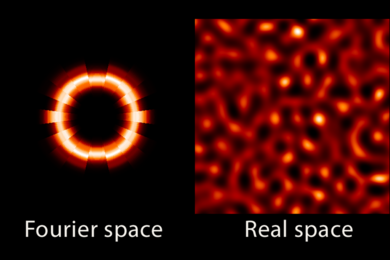
MIT researchers use resonant X-ray scattering measurements to reveal unexpected “Wigner glass” in desirable superconducting material.

Device made from flexible, inexpensive materials could power large-area electronics, wearables, medical devices, and more.