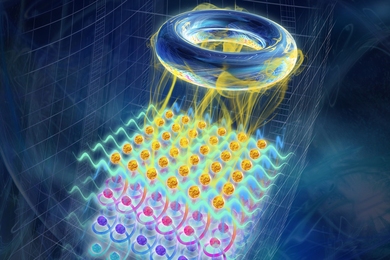
Ultra-Quantum Matter research gets $8 million boost
MIT’s Senthil Todadri and Xiao-Gang Wen will study highly entangled quantum matter in a collaboration supported by the Simons Foundation.
MIT’s Senthil Todadri and Xiao-Gang Wen will study highly entangled quantum matter in a collaboration supported by the Simons Foundation.
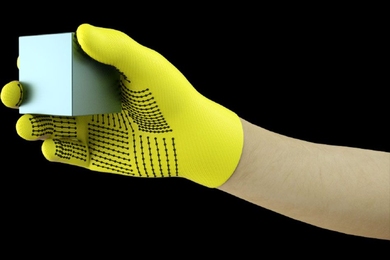
Signals help neural network identify objects by touch; system could aid robotics and prosthetics design.

Study finds baking soda, detergent, and table salt — all rich in sodium — are effective catalysts.
The materials science and engineering professor is part of a multi-institution effort to investigate the possibility of cold fusion in a scientifically rigorous way.
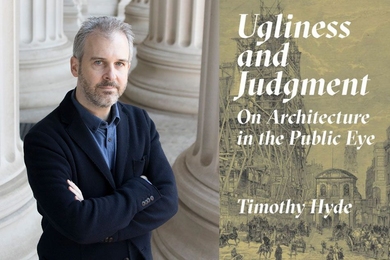
In new book, MIT’s Timothy Hyde looks at the architectural controversies that have helped shape Britain.
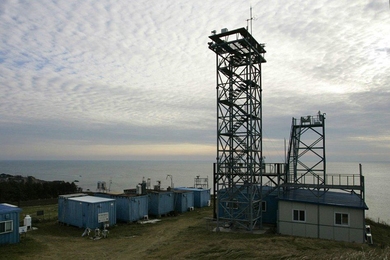
Despite global phase-out, the ozone-depleting chemical is still in production in eastern China.
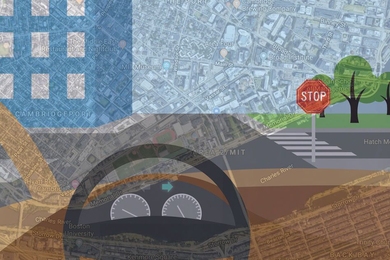
Autonomous control system “learns” to use simple maps and image data to navigate new, complex routes.

Researchers at the MIT Concrete Sustainability Hub study the many factors that influence a pavement’s environmental footprint.
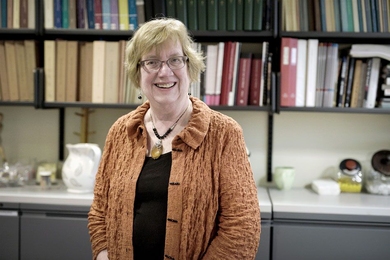
Lydia Snover and her Institutional Research team gather data to help the Institute to study itself.
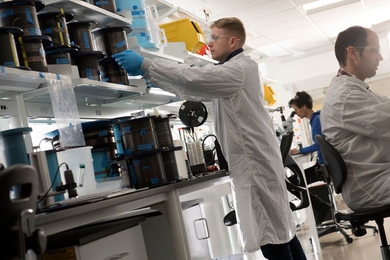
Basic research advance leads to production of more than 250,000 chips embedded within fibers in less than a year.
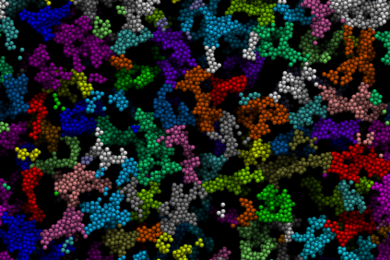
Insights on the formation of particle networks hold potential for engineering new and improved materials.
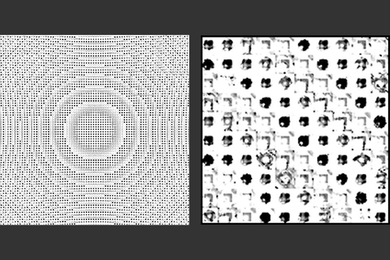
“Metasurfaces” that manipulate light at tiny scales could find uses in cellphone lenses, smart-car sensors, and optical fibers.
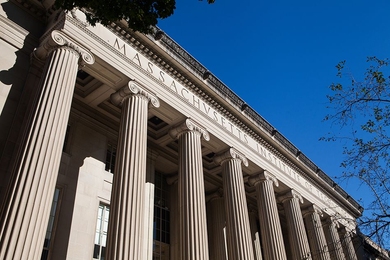
New program will focus on rapid deployment of artificial intelligence innovations in operations, disaster response, and medical readiness.
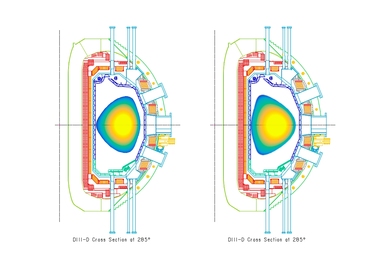
Research scientist Alessandro Marinoni shows that reversing traditional plasma shaping provides greater stability for fusion reactions.
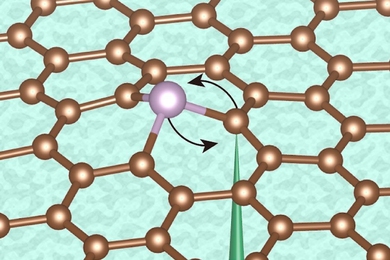
New method could be useful for building quantum sensors and computers.