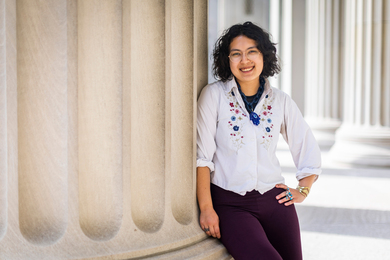
Driving toward data justice
Senior Amelia Dogan brings together computer science, city planning, and American studies to work for social change.
Senior Amelia Dogan brings together computer science, city planning, and American studies to work for social change.
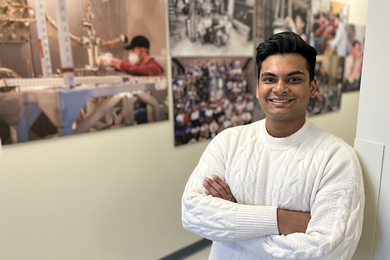
PhD student Rishabh Datta seeks further understanding of astrophysical phenomena.
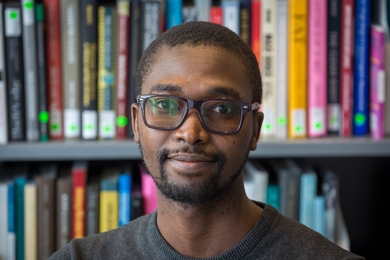
Abdullahi Tsanni wants to broaden understanding and expand coverage of science research in Africa.
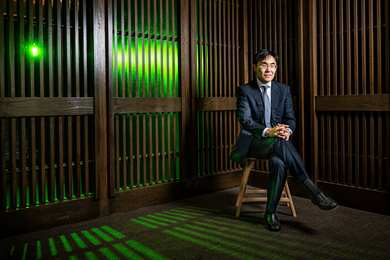
MIT political scientist In Song Kim shines a bright light on the dark art of political lobbying.
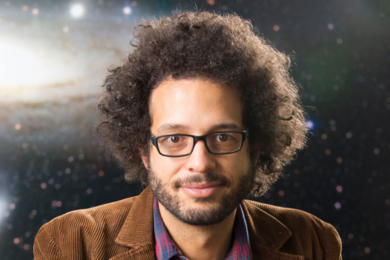
Martin Luther King Jr. Scholar Brian Nord trains machines to explore the cosmos and fights for equity in research.
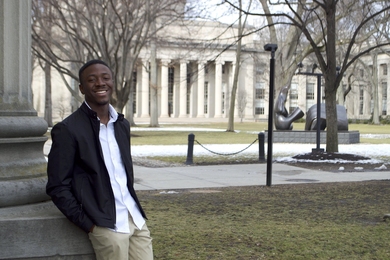
Environmental engineering major Runako Gentles seeks to lead projects that increase harmony between society and the environment.
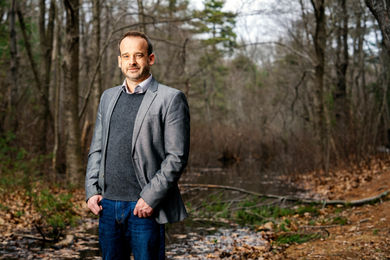
Geobiologist Greg Fournier seeks to uncover the conditions leading to the emergence of life.
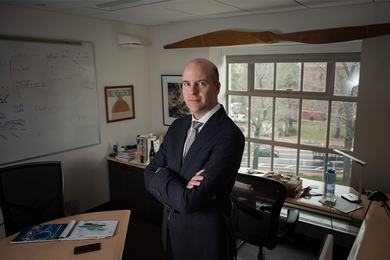
Bruce Cameron's research interests include technology strategy, system architecture, and the management of product platforms.
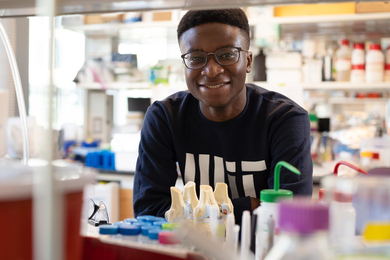
Senior Victor Damptey brings his Spanish-speaking abilities to bear as he works toward becoming a physician-scientist.
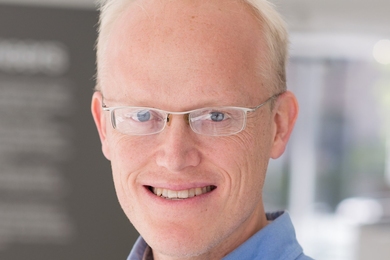
Principal Research Scientist Audun Botterud tackles a range of cross-cutting problems — from energy market interactions to designing batteries — to get closer to a decarbonized power grid.
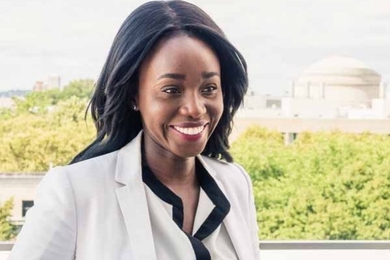
Following an influential career at NASA, Ezinne Uzo-Okoro SM ’20, PhD ’22 now shapes space policy as a top White House advisor.
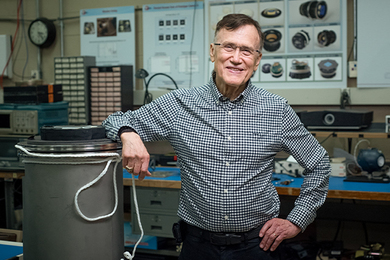
George Ricker and his team at the MIT Kavli Institute are mapping the entire sky for signs of life.
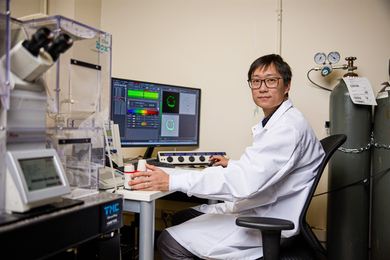
Ming Guo seeks connections between a cell’s physical form and its biological function, which could illuminate ways to halt abnormal cell growth.
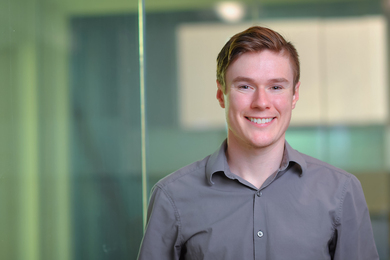
The MIT assistant professor works to get more electricity out of renewable energy systems.
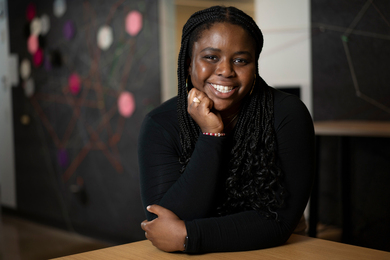
Senior Mercy Oladipo is building tools to address disparities in health care.