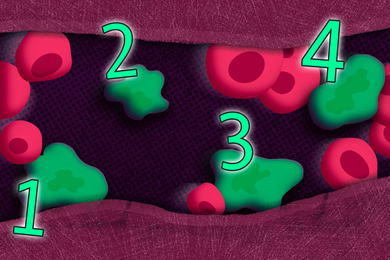
Counting cells may shed light on how cancer spreads
MIT engineers devised a way to count elusive circulating tumor cells in mice, allowing them to study the dynamics of metastasis.
MIT engineers devised a way to count elusive circulating tumor cells in mice, allowing them to study the dynamics of metastasis.

A study of mice watching movies shows our brain cells rely on a circuit of inhibitory neurons to help ensure that the same images are represented consistently.
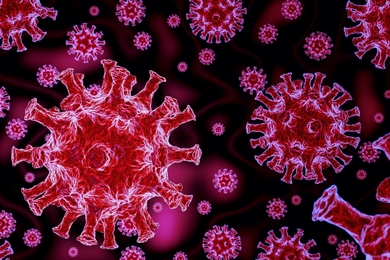
Neural network identifies synergistic drug blends for treating viruses like SARS-CoV-2.

The researchers hope scientists and regulators will consider a broader class of compounds in evaluating cancer risk due to PAH exposure.
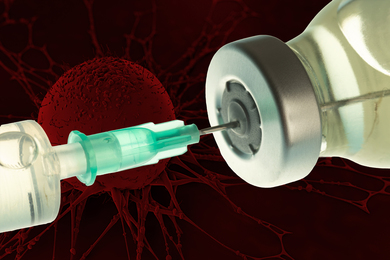
Vaccinating against certain proteins found on cancer cells could help to enhance the T cell response to tumors.
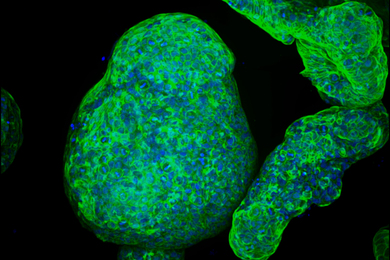
Studying these organoids could help researchers develop and test new treatments for pancreatic cancer, one of the deadliest types of cancer.
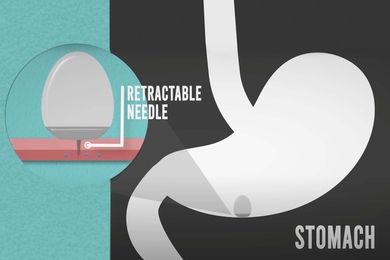
The new pill can inject large quantities of monoclonal antibodies and other drugs into the lining of the stomach after being swallowed.

System uses tiny magnetic beads to rapidly measure the position of muscles and relay that information to a bionic prosthesis.

Using a combination of stem cell biology, systems biology, synthetic biology, and chromatin engineering, the Galloway lab will define the molecular regulatory rules of cell-fate transitions.

A new adhesive that mimics the sticky substance barnacles use to cling to rocks may offer a better way to treat traumatic injuries.
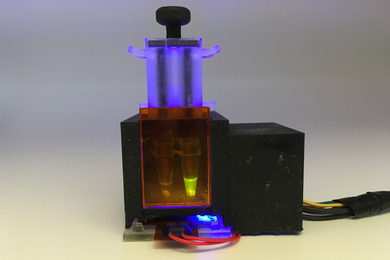
The tabletop diagnostic yields results in an hour and can be programmed to detect variants of the SARS-CoV-2 virus.
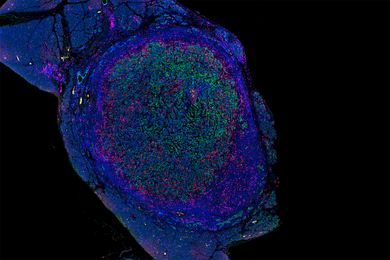
Researchers find three immunotherapy drugs given together can eliminate pancreatic tumors in mice.
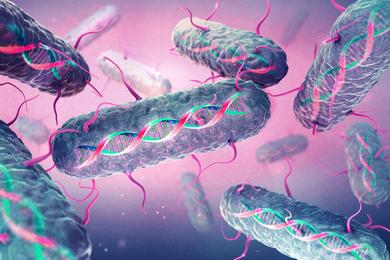
Technique for editing bacterial genomes can record interactions between cells, may offer a way to edit genes in the human microbiome.

A new study calculates the waste generated by N95 usage and suggests possible ways to reduce it.
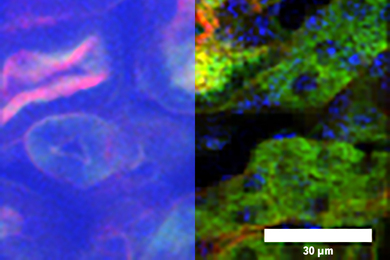
Researchers could rapidly obtain high-resolution images of blood vessels and neurons within the brain.