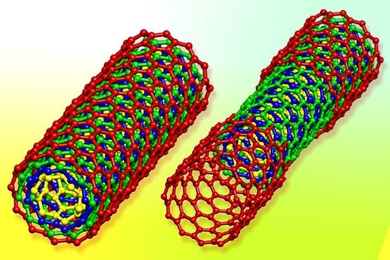
Surprising nanotubes: Some slippery, some sticky
New research discovers unexpected variations in behavior of nanotubes made of different materials.
New research discovers unexpected variations in behavior of nanotubes made of different materials.
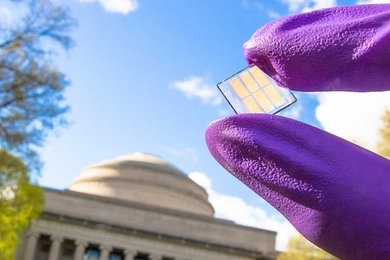
Quantum-dot photovoltaics set new record for efficiency in such devices, could unlock new uses.
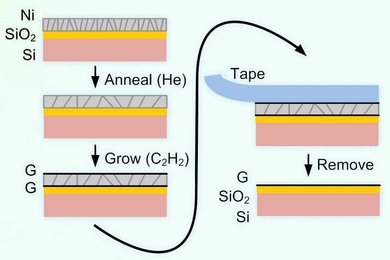
Technique might enable advances in display screens, solar cells, or other devices.
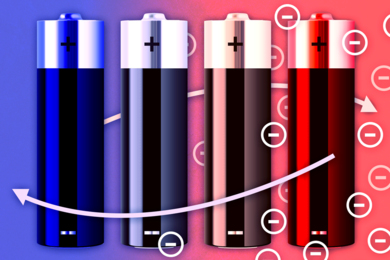
Electrochemical approach has potential to efficiently turn low-grade heat to electricity.

Project managers hold community meetings to explain impact of MIT.nano.
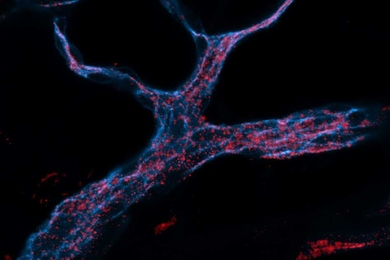
RNA carried by new nanoparticles can silence genes in many organs, could be deployed to treat cancer.
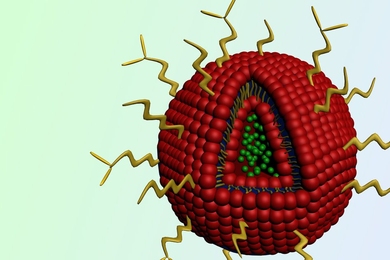
Nanoparticles that stagger delivery of two drugs knock out aggressive tumors in mice.
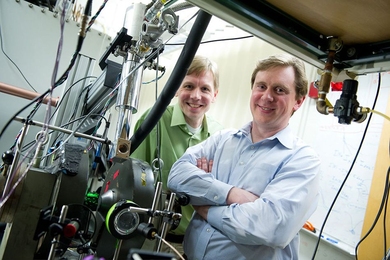
New MIT model can guide design of solar cells that produce less waste heat, more useful current.
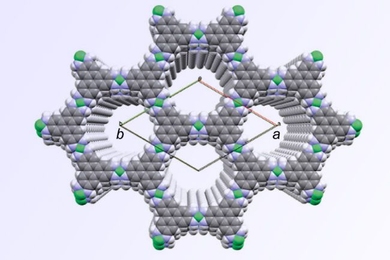
Researchers find a two-dimensional, self-assembling material that might produce solar cells or transistors.
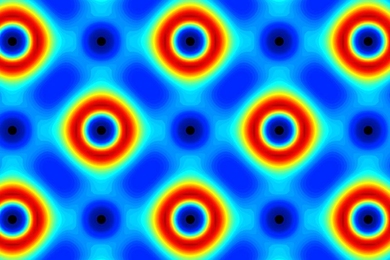
New analysis explains why some materials are good thermal insulators while similar ones are not.
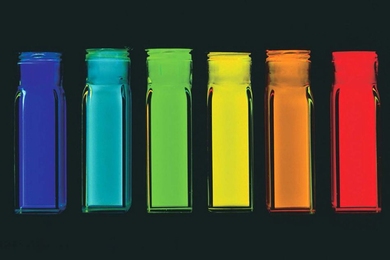
MIT.nano will help researchers apply the power of nanotechnology to solve big problems.

“MIT.nano,” to be built in the heart of campus, will house advanced cleanroom, imaging, and prototyping facilities.

Ram Sasisekharan’s startups provide novel methods to fight disease and make better drugs.

From Boston to Bangalore, MIT senior Priyanka Saha uses technology to empower people with disabilities.
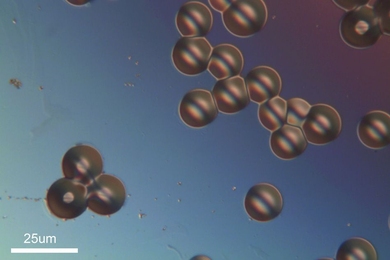
MRI sensor that enables long-term monitoring of oxygen levels could aid cancer diagnosis and treatment.