
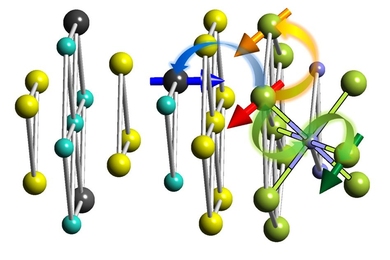
Unusual magnetic behavior observed at a material interface
Findings could lead to a building block for future quantum computers, and a research tool for physics.
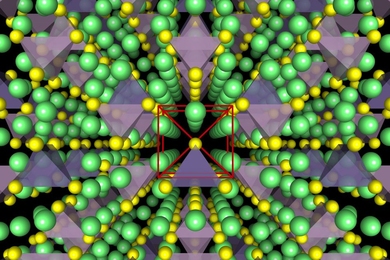
Going solid-state could make batteries safer and longer-lasting
New research paves the way for rechargeable batteries with almost indefinite lifetimes, researchers say.
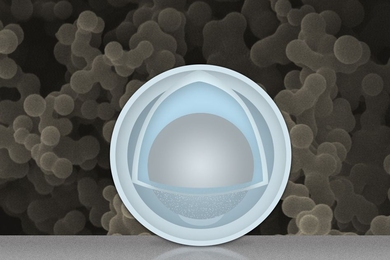
“Yolks” and “shells” improve rechargeable batteries
Aluminum could give a big boost to capacity and power of lithium-ion batteries.

Real-time data for cancer therapy
Biochemical sensor implanted at initial biopsy could allow doctors to better monitor and adjust cancer treatments.
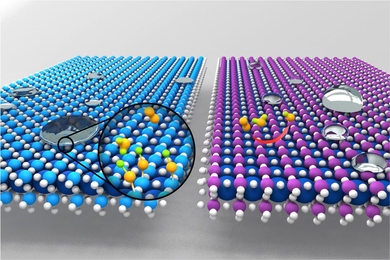
How to look for a few good catalysts
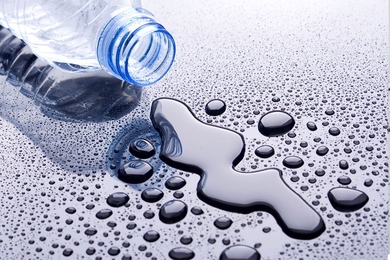
New research shows non-wetting surfaces promote chemical reaction rates.
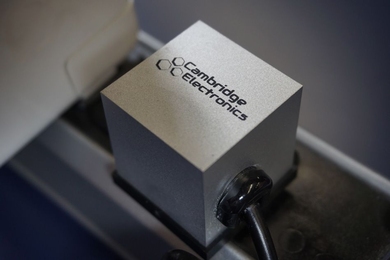
Making the new silicon
Gallium nitride electronics could drastically cut energy usage in data centers, consumer devices.
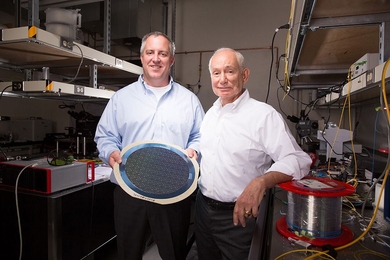
Consortium including MIT awarded $110M national grant to promote photonics manufacturing
Partnership of government, industry, and academia will pursue integration of optical devices with electronics.
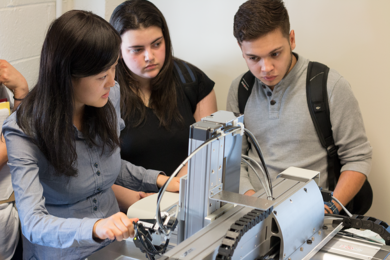
Putting the pieces together
Summer interns are learning research skills while helping to make progress in materials, drug delivery, and energy in MIT labs.
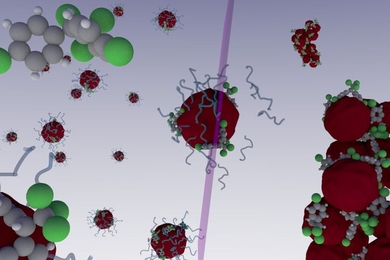
New study shows how nanoparticles can clean up environmental pollutants
Nanomaterials and UV light can “trap” chemicals for easy removal from soil and water.
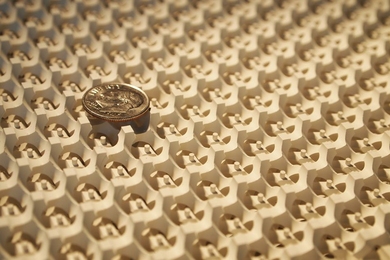
Long-sought phenomenon finally detected
Weyl points, first predicted in 1929, observed for the first time.

Paula Hammond named head of Department of Chemical Engineering
An MIT faculty member since 1995, Hammond succeeds Klavs Jensen as ChemE department head.
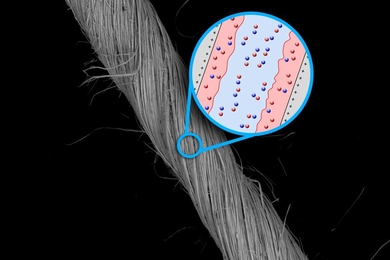
Tiny wires could provide a big energy boost
Yarns of niobium nanowire can make supercapacitors to provide a surge of energy when it’s needed
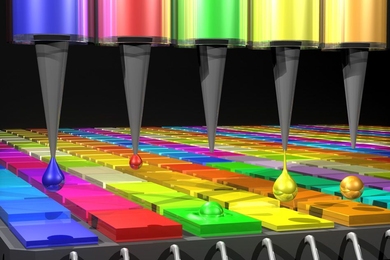
Chemists design a quantum-dot spectrometer
New instrument is small enough to function within a smartphone, enabling portable light analysis.