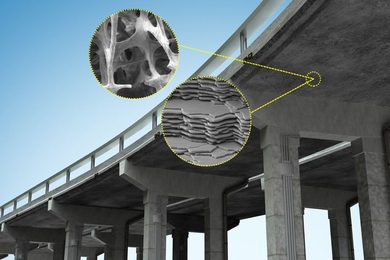
Finding a new formula for concrete
Researchers look to bones and shells as blueprints for stronger, more durable concrete.
Researchers look to bones and shells as blueprints for stronger, more durable concrete.

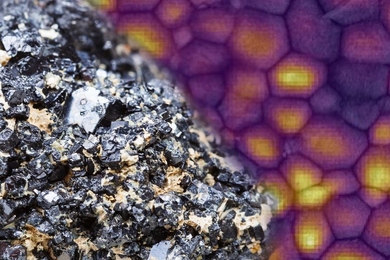
Defects in some new electronic materials can be removed by making ions move under illumination.
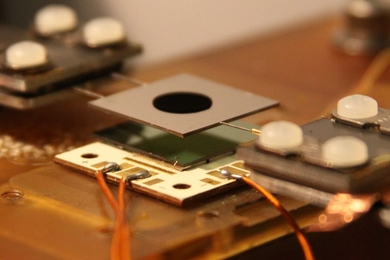
System converts solar heat into usable light, increasing device’s overall efficiency.
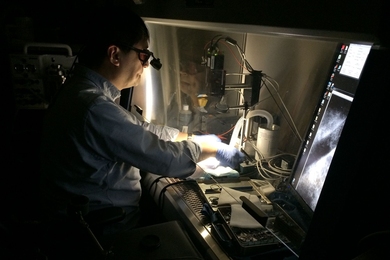
Mechanism developed at MIT and Massachusetts General Hospital shows promising results for improved ovarian cancer detection and removal.
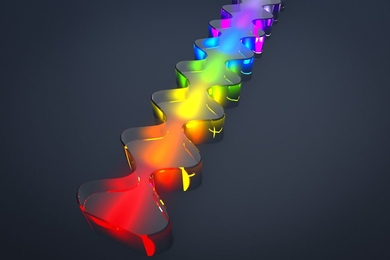
Spectroscopic system with chip-scale lasers cuts detection time from minutes to microseconds.
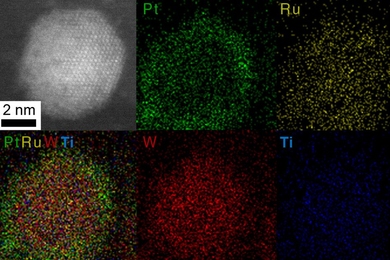
Process from MIT provides improved reactivity with much less platinum.
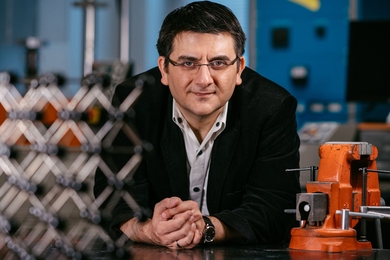
A new faculty member in materials science and engineering is creating healable metals.

“Second skin” polymer could also be used to protect dry skin and deliver drugs.
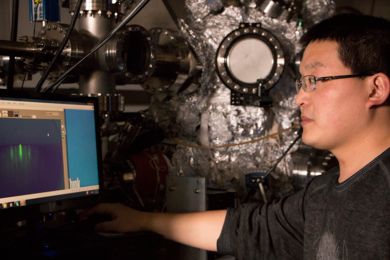
MIT postdoc Cui-Zu Chang makes a spintronic breakthrough in the Moodera group.

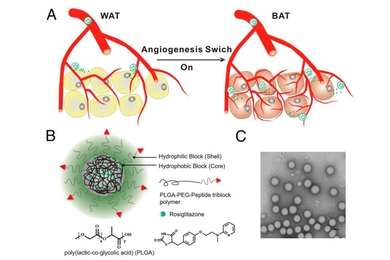
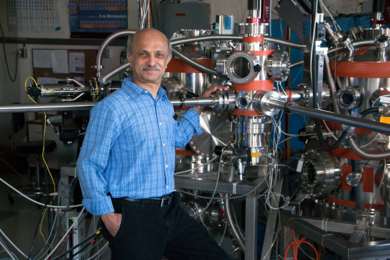
Step-by-step, the Moodera Research Group is building the essential knowledge and hardware for next-generation quantum computers.
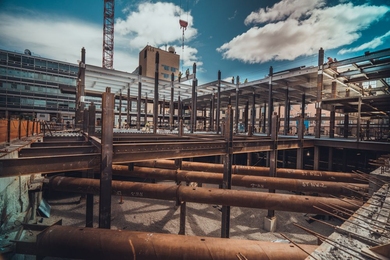
MIT's future home for cutting-edge nanoscience and nanotechnology research gets fitted with 23 tons of steel per day.
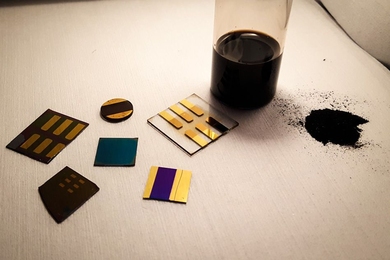
Instead of burning up this complex hydrocarbon, let’s make devices from it, says Jeffrey Grossman.